In today’s health-conscious world, the demand for fresh, natural fruit juice is skyrocketing. For businesses ranging from bustling juice bars and vibrant cafes to large-scale food processing plants, meeting this demand efficiently and profitably requires more than just a standard kitchen appliance. It calls for an Industrial Fruit Juicer – a robust, high-performance machine engineered for continuous, high-volume juice extraction. These specialized juicers are the backbone of any operation aiming to deliver consistent quality and maximize output.
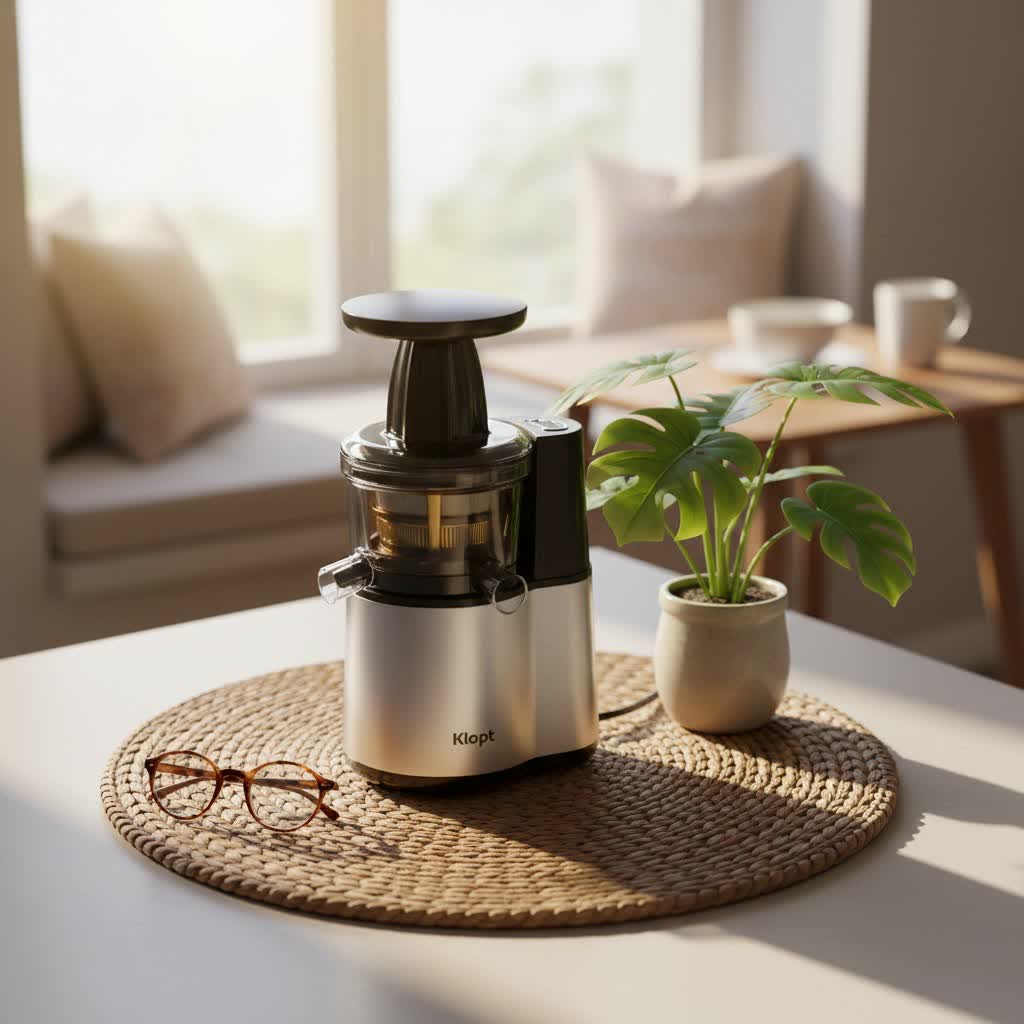
Key Benefits of Investing in an Industrial Fruit Juicer
|
Our Picks for the Best Fruit Juicer in 2026
As an Amazon Associate I earn from qualifying purchases.
|
||
| Num | Product | Action |
|---|---|---|
| 1 | Ninja NeverClog Cold Press Juicer, Powerful Slow Juicer with Total Pulp Control, Countertop, Electric, 2 Pulp Functions, Dishwasher Safe, 2nd Generation, Charcoal, JC151 |

|
| 2 | Zulay Kitchen Metal 2-in-1 Lemon Squeezer - Sturdy Max Extraction Hand Juicer Lemon Squeezer Gets Every Last Drop - Easy to Clean Manual Citrus Juicer - Easy-Use Lemon Juicer Squeezer - Red/Yellow |
|
| 3 | Zulay Kitchen Metal 2-in-1 Lemon Squeezer - Sturdy Max Extraction Hand Juicer Lemon Squeezer Gets Every Last Drop - Easy to Clean Manual Citrus Juicer - Easy-Use Lemon Juicer Squeezer - Black/Red |
|
| 4 | Zulay Kitchen Cast Iron Juicer - Easy-to-Clean Heavy-Duty Manual Juicer, Professional Citrus Juicer - Stainless Steel Lemon Squeezer - Manual Citrus Press & Orange Squeezer - Orange Juicer (Black) |
|
| 5 | Juicer Machines with 5.8\" Large Feed Chute, Cold Press Juicer for Whole Vegetables and Fruits 400W, Slow Masticating juicer Easy to Clean Juice Extractor Machine High Juice Yield |
|
| 6 | Zulay Kitchen Metal 2-in-1 Lemon Squeezer - Sturdy Max Extraction Hand Juicer Lemon Squeezer Gets Every Last Drop - Easy to Clean Manual Citrus Juicer - Easy-Use Lemon Juicer Squeezer - Blue/Yellow |
|
| 7 | Ninja NeverClog Cold Press Juicer, Powerful Slow Juicer with Total Pulp Control, Countertop, Electric, 2 Pulp Functions, Dishwasher Safe, 2nd Generation, Steam Gray, JC151SL |
|
| 8 | Zulay Kitchen Metal 2-in-1 Lemon Squeezer - Sturdy Max Extraction Hand Juicer Lemon Squeezer Gets Every Last Drop - Easy to Clean Manual Citrus Juicer - Easy-Use Lemon Juicer Squeezer - Black/Yellow |
|
| 9 | Zulay Kitchen Metal 2-in-1 Lemon Squeezer - Sturdy Max Extraction Hand Juicer Lemon Squeezer Gets Every Last Drop - Easy to Clean Manual Citrus Juicer - Easy-Use Lemon Juicer Squeezer - Yellow/Red |
|
| 10 | Ninja NeverClog Cold Press Juicer, Powerful Slow Juicer with Total Pulp Control, Countertop, Electric, 2 Pulp Functions, Dishwasher Safe, 2nd Generation, Blue/Navy, JC151NV |
|
Opting for an industrial-grade fruit juicer brings a multitude of advantages that can significantly impact a business’s operations and bottom line:
- High-Volume Efficiency and Speed: Designed for continuous operation, industrial juicers can process vast quantities of fruit quickly, ensuring businesses can keep up with peak demand without compromising service speed. This efficiency translates directly into higher productivity.
- Superior Juice Yield and Waste Reduction: Unlike household models, industrial juicers are optimized to extract the maximum amount of juice from fruits, leaving behind drier pulp. This superior yield means less fruit waste and more product from the same amount of produce, directly impacting profitability.
- Enhanced Nutrient Preservation: Many professional juicers, especially cold press (masticating) models, operate at slower speeds, minimizing heat generation and oxidation. This gentle extraction process helps retain more vitamins, minerals, and enzymes, offering a healthier, more nutrient-rich product that health-conscious consumers seek.
- Durability and Hygienic Design: Built to withstand the rigors of commercial use, these machines feature sturdy construction, often using food-grade stainless steel. They are also designed for easy disassembly and cleaning, adhering to strict food safety and hygiene standards crucial for any food service establishment.
- Menu Versatility: An industrial juicer allows businesses to process a wide variety of fruits and vegetables, enabling creative menu expansion. From classic orange juice to complex green concoctions and seasonal specialties, the possibilities are endless, catering to diverse customer preferences.
- Cost-Effectiveness and ROI: While the initial investment might be higher than for a domestic juicer, the long-term savings in labor, reduced waste, and increased sales volume quickly lead to a positive return on investment. The ability to consistently produce high-quality, fresh juice helps attract and retain customers.
Types of Industrial Fruit Juicers
Industrial fruit juicers come in various designs, each suited for different needs and types of produce:
- Centrifugal Juicers: These “fast juicers” use a high-speed spinning blade and centrifugal force to separate juice from pulp. They are excellent for hard fruits and vegetables like apples and carrots, offering rapid juice production. However, their speed can introduce more air, leading to some oxidation and froth, and they are less effective with leafy greens.
- Masticating (Cold Press) Juicers: Also known as “slow juicers,” these machines use a single or twin auger to crush and press fruits and vegetables slowly. This method extracts juice more thoroughly, resulting in higher yields and better preservation of nutrients due to minimal heat and oxidation. They are ideal for leafy greens, wheatgrass, and berries, producing a pulp-free, vibrant juice with a longer shelf life.
- Citrus Juicers: Specifically designed for citrus fruits such as oranges, lemons, limes, and grapefruits, these can be manual or electric. They efficiently separate the juice from the pulp and peel of citrus, making them a staple in many cafes and bars.
- Spiral Juice Extractors and Fruit Pulper Machines: For very large-scale industrial operations, specialized machines like spiral juice extractors and fruit pulper machines integrate crushing, juice extraction, and slag removal, handling high volumes of various fruits for further processing.
Factors to Consider When Choosing an Industrial Juicer
Selecting the right industrial fruit juicer involves evaluating several key factors to match the machine to your specific business requirements:
- Production Volume and Speed: Determine your daily or peak hour juice output needs. Centrifugal juicers are faster for high volume, while masticating juicers offer higher yield and nutrient quality at a slower pace.
- Types of Produce: Consider the primary fruits and vegetables you plan to juice. Some juicers excel with hard produce, others with soft fruits, and specific models are best for leafy greens or citrus.
- Ease of Cleaning and Maintenance: Look for machines with easily detachable, dishwasher-safe components and hygienic designs to simplify daily cleaning and sanitation, ensuring food safety and operational efficiency.
- Durability and Material Quality: Invest in models made from robust, food-grade materials like stainless steel that can withstand rigorous commercial use and ensure a long lifespan.
- Noise Level: If the juicer will be used in a customer-facing area, a quieter model (like many masticating juicers) might be preferable.
- Feed Chute Size: A wider feed chute reduces preparation time by accommodating larger pieces of fruit, or even whole fruits, minimizing the need for extensive chopping.
- Budget and Warranty: Balance your initial investment with long-term operational costs, considering energy efficiency and the availability of parts and service. A good warranty provides peace of mind.
An industrial fruit juicer is more than just a piece of equipment; it’s a strategic investment in efficiency, quality, and customer satisfaction. By understanding the different types, their benefits, and the key considerations for selection, businesses can make an informed decision that will empower them to meet the growing demand for fresh, delicious, and nutritious fruit juices.
