In today’s health-conscious market, the demand for fresh, vibrant fruit juices is soaring. For cafes, restaurants, juice bars, and hotels, offering freshly squeezed options is no longer a luxury but a vital component of a thriving business. Investing in a Commercial Fruit Juicer is key to meeting this demand efficiently and delivering consistent, high-quality beverages that delight customers.
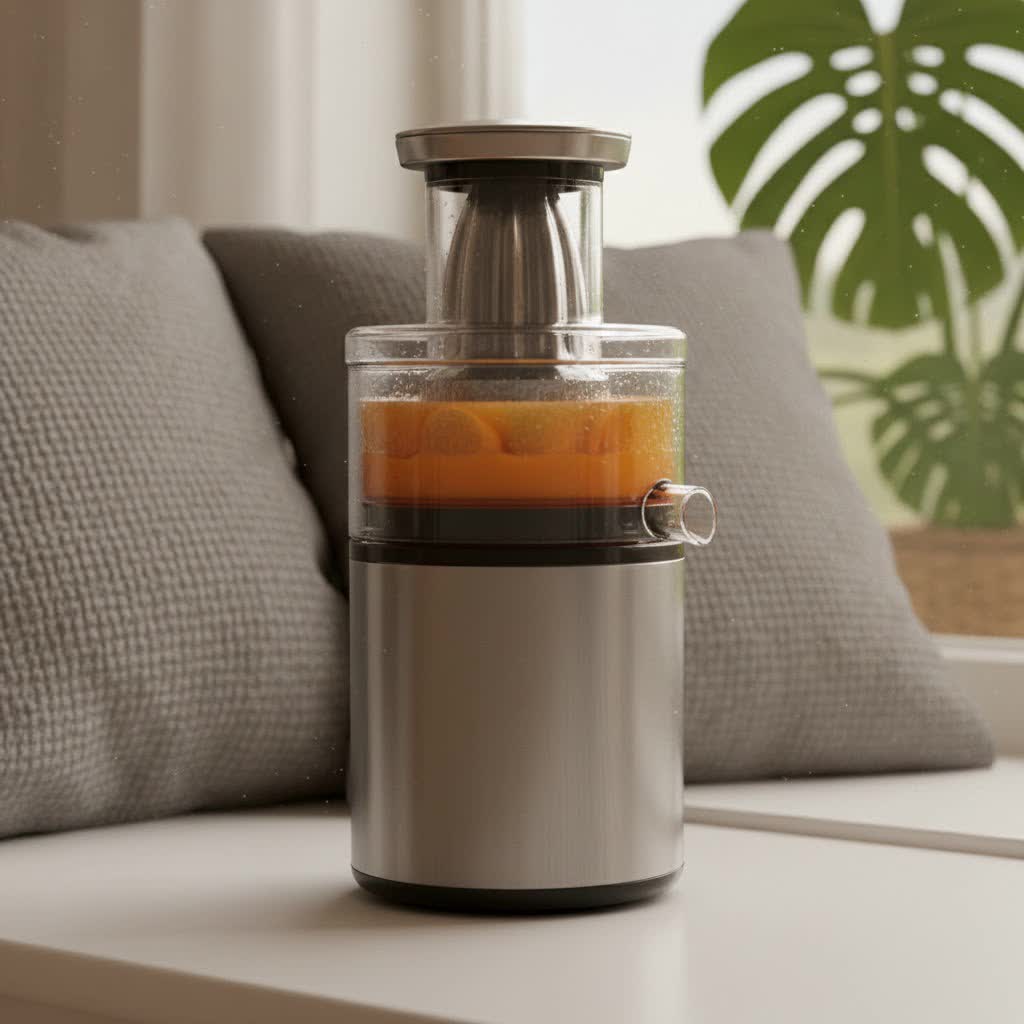
Why Your Business Needs a Commercial Fruit Juicer
A commercial fruit juicer is more than just a kitchen appliance; it’s a powerful tool designed for the rigors of a professional environment. Unlike their domestic counterparts, these machines are built for high-volume operation, durability, and sustained performance.
- High-Volume Production: Commercial juicers are engineered to process large quantities of produce rapidly, ensuring you can keep up during peak hours without compromising speed or quality.
- Efficiency and Speed: With robust motors and specialized designs, these juicers maximize juice extraction, minimizing waste and making the most of your ingredients.
- Consistent Quality: They deliver uniform juice texture and flavor with every batch, building customer trust and loyalty.
- Expanded Menu Offerings: Beyond pure juices, many commercial models can facilitate a range of healthy beverages, from smoothies and nut milks to wheatgrass shots.
- Durability and Longevity: Constructed from heavy-duty materials like stainless steel, commercial juicers are designed to withstand continuous, demanding use, providing a reliable long-term investment.
|
Our Picks for the Best Fruit Juicer in 2026
As an Amazon Associate I earn from qualifying purchases.
|
||
| Num | Product | Action |
|---|---|---|
| 1 | Ninja NeverClog Cold Press Juicer, Powerful Slow Juicer with Total Pulp Control, Countertop, Electric, 2 Pulp Functions, Dishwasher Safe, 2nd Generation, Charcoal, JC151 |

|
| 2 | Ninja NeverClog Cold Press Juicer, Powerful Slow Juicer with Total Pulp Control, Countertop, Electric, 2 Pulp Functions, Dishwasher Safe, 2nd Generation, Steam Gray, JC151SL |
|
| 3 | Zulay Kitchen Cast Iron Juicer - Easy-to-Clean Heavy-Duty Manual Juicer, Professional Citrus Juicer - Stainless Steel Lemon Squeezer - Manual Citrus Press & Orange Squeezer - Orange Juicer (Black) |
|
| 4 | Zulay Kitchen Metal 2-in-1 Lemon Squeezer - Sturdy Max Extraction Hand Juicer Lemon Squeezer Gets Every Last Drop - Easy to Clean Manual Citrus Juicer - Easy-Use Lemon Juicer Squeezer - Red/Yellow |
|
| 5 | Zulay Kitchen Metal 2-in-1 Lemon Squeezer - Sturdy Max Extraction Hand Juicer Lemon Squeezer Gets Every Last Drop - Easy to Clean Manual Citrus Juicer - Easy-Use Lemon Juicer Squeezer - Yellow/Red |
|
| 6 | Juicer Machines with 5.8\" Large Feed Chute, Cold Press Juicer for Whole Vegetables and Fruits 400W, Slow Masticating juicer Easy to Clean Juice Extractor Machine High Juice Yield |
|
| 7 | Ninja NeverClog Cold Press Juicer, Powerful Slow Juicer with Total Pulp Control, Countertop, Electric, 2 Pulp Functions, Dishwasher Safe, 2nd Generation, Blue/Navy, JC151NV |
|
| 8 | Zulay Kitchen Metal 2-in-1 Lemon Squeezer - Sturdy Max Extraction Hand Juicer Lemon Squeezer Gets Every Last Drop - Easy to Clean Manual Citrus Juicer - Easy-Use Lemon Juicer Squeezer - Black/Red |
|
| 9 | Zulay Kitchen Metal 2-in-1 Lemon Squeezer - Sturdy Max Extraction Hand Juicer Lemon Squeezer Gets Every Last Drop - Easy to Clean Manual Citrus Juicer - Easy-Use Lemon Juicer Squeezer - Black/Yellow |
|
| 10 | Zulay Kitchen Metal 2-in-1 Lemon Squeezer - Sturdy Max Extraction Hand Juicer Lemon Squeezer Gets Every Last Drop - Easy to Clean Manual Citrus Juicer - Easy-Use Lemon Juicer Squeezer - Blue/Yellow |
|
Understanding the Types of Commercial Fruit Juicers
Choosing the right commercial juicer depends largely on your specific business needs, the types of produce you’ll be processing, and your desired juice quality. There are several primary categories, each with distinct advantages and considerations.
1. Centrifugal Juicers (Fast Juicers)
Centrifugal juicers operate by using a high-speed spinning blade to shred fruits and vegetables, then rapidly rotating the pulp against a sieve to extract the juice through centrifugal force.
- Pros: Exceptionally fast, making them ideal for high-volume establishments that need quick juice production. They are generally more affordable and often easier to clean. Effective for hard fruits and most vegetables like apples, carrots, and celery.
- Cons: The high-speed operation introduces a significant amount of air, leading to quicker oxidation of the juice, a shorter shelf life, and often a frothy consistency. The heat generated can also degrade some heat-sensitive nutrients and enzymes. They are typically louder than other types and less effective with leafy greens.
2. Masticating Juicers (Cold Press / Slow Juicers)
Often referred to as cold press or slow juicers, masticating juicers “chew” produce using a slow-moving auger that crushes and presses ingredients against a screen. This gentle process minimizes heat and oxidation.
- Pros: Excellent for preserving nutrients and enzymes, resulting in a higher quality juice with a longer shelf life and less foam. They are highly efficient at extracting juice from a wide variety of produce, including leafy greens, wheatgrass, soft fruits, and hard vegetables. They also tend to be much quieter during operation.
- Cons: Slower than centrifugal juicers, which might impact high-volume demand. They are generally more expensive and may require more prep work as produce often needs to be cut into smaller pieces. Cleaning can sometimes be more involved due to additional components.
3. Triturating Juicers (Twin-Gear Juicers)
A specialized sub-category of masticating juicers, triturating juicers use two interlocking gears to grind and press produce. This advanced method provides the most thorough extraction.
- Pros: Offer the highest juice yield and nutrient retention, producing juice with the longest shelf life and minimal oxidation. They are exceptionally versatile, capable of making nut milks, baby food, and frozen fruit sorbets.
- Cons: They are typically the most expensive and slowest type of juicer. Cleaning can be more complex due to the intricate gear mechanism.
4. Citrus Juicers
Specifically designed to extract juice from citrus fruits like oranges, lemons, limes, and grapefruits, these can be manual or electric.
- Manual Citrus Juicers: Range from simple reamers and squeezers to lever-operated juice presses. They are economical and easy to clean, best for lower volumes or occasional use in bars.
- Electric Citrus Reamers: Offer motorized twisting action for medium to high volumes of citrus, combining ease of use with greater speed than manual options.
- Pros: Highly efficient for citrus, easy to clean, and generally less expensive.
- Cons: Limited to citrus fruits only. The juice from these can oxidize quickly and should be served immediately.
5. Wheatgrass Juicers
These are specialized masticating juicers engineered to efficiently extract juice from fibrous greens like wheatgrass and herbs, preserving their delicate nutrients.
- Pros: Maximizes yield and nutrient preservation from wheatgrass and similar leafy greens.
- Cons: Limited in their application to other types of fruits and vegetables, can be more expensive, and potentially challenging to clean.
Key Considerations When Selecting Your Commercial Juicer
Choosing the ideal commercial juicer involves evaluating several critical factors to ensure it aligns perfectly with your business operations.
- Expected Volume and Capacity: Assess your peak hour juice demands. For busy juice bars needing continuous operation, high-capacity centrifugal or powerful masticating/triturating models are essential. Smaller cafes or bars might suffice with medium-volume electric citrus juicers or more compact masticating units.
- Types of Produce: Your menu dictates the juicer type. If mainly juicing oranges and lemons, a dedicated citrus juicer is efficient. For a diverse menu including hard fruits, soft fruits, and fibrous greens, a versatile masticating or centrifugal juicer is more appropriate. Wheatgrass requires a specialized slow juicer.
- Speed vs. Nutrient Retention: Prioritize speed (centrifugal) for fast-served juices where immediate consumption is expected. Opt for nutrient preservation and longer shelf life (masticating/cold press) if selling bottled juices or targeting health-focused clientele.
- Noise Level: Consider the placement of the juicer. In customer-facing areas, a quieter masticating juicer (typically under 60 decibels) is preferable to avoid disturbing the ambiance, whereas a louder centrifugal model might be acceptable in a back kitchen.
- Ease of Cleaning and Maintenance: Frequent cleaning is crucial in a commercial setting to maintain hygiene and efficiency. Look for models with dishwasher-safe parts, easily removable components, smooth designs without crevices, and pull-out filters.
- Durability and Materials: Commercial-grade juicers are built with robust materials like stainless steel or die-cast aluminum to withstand heavy daily use. Ensure the product has commercial certifications (e.g., NSF) indicating it meets health and safety standards.
- Feed Chute Size: A wider feed chute (e.g., 2-4 inches) allows for larger pieces of produce or even whole fruits, significantly reducing prep time and labor costs.
- Budget: Commercial juicer prices can range from a few hundred to several thousand dollars. Consider not just the upfront cost but also ongoing operational expenses, energy efficiency, and potential return on investment from increased sales and reduced waste.
- Safety Features: Essential for staff protection, look for auto shut-off mechanisms for overloading or jamming, overheat protection, safety locking arms (where the juicer only operates when correctly assembled), and non-slip feet.
Essential Maintenance Tips for Longevity
Proper maintenance is paramount to extend the life of your commercial juicer and ensure consistent performance.
- Daily Cleaning: Disassemble and thoroughly clean all removable components (blade, chute, collection bin) after each use to prevent pulp buildup and maintain hygiene.
- Weekly Cleaning: Soak removable parts in warm, soapy water weekly to tackle stubborn residue. Utilize food-safe sanitizers or vinegar solutions regularly.
- Filter Care: Regularly clean or replace filters as per manufacturer guidelines to maintain juice quality and efficient operation.
- Keep Dry: Ensure all parts are completely dry before reassembling to prevent corrosion.
- Follow Manufacturer Instructions: Adhere strictly to the manufacturer’s manual for cleaning, lubrication (if applicable), and servicing schedules.
Conclusion
A commercial fruit juicer is a significant investment that can dramatically enhance your business’s appeal and profitability. By carefully considering the different types, your operational needs, and key features like volume capacity, produce compatibility, speed, noise, and ease of cleaning, you can select the perfect machine. The right commercial juicer will not only deliver delicious, fresh beverages but also contribute to a more efficient, high-quality, and customer-satisfying experience for years to come.
