In a world increasingly driven by automation, the Manual Fruit Press Juicer stands as a testament to simplicity and timeless efficiency. For those who cherish the freshest flavors and a hands-on approach to their culinary endeavors, these robust devices offer an unparalleled juicing experience. Far from being a mere kitchen gadget, a quality manual fruit press becomes a reliable partner in crafting vibrant, healthy beverages with minimal fuss.
What Defines a Manual Fruit Press Juicer?
|
Our Picks for the Best Fruit Juicer in 2026
As an Amazon Associate I earn from qualifying purchases.
|
||
| Num | Product | Action |
|---|---|---|
| 1 | Ninja NeverClog Cold Press Juicer, Powerful Slow Juicer with Total Pulp Control, Countertop, Electric, 2 Pulp Functions, Dishwasher Safe, 2nd Generation, Steam Gray, JC151SL |

|
| 2 | Zulay Kitchen Metal 2-in-1 Lemon Squeezer - Sturdy Max Extraction Hand Juicer Lemon Squeezer Gets Every Last Drop - Easy to Clean Manual Citrus Juicer - Easy-Use Lemon Juicer Squeezer - Red/Yellow |
|
| 3 | Zulay Kitchen Metal 2-in-1 Lemon Squeezer - Sturdy Max Extraction Hand Juicer Lemon Squeezer Gets Every Last Drop - Easy to Clean Manual Citrus Juicer - Easy-Use Lemon Juicer Squeezer - Blue/Yellow |
|
| 4 | Zulay Kitchen Metal 2-in-1 Lemon Squeezer - Sturdy Max Extraction Hand Juicer Lemon Squeezer Gets Every Last Drop - Easy to Clean Manual Citrus Juicer - Easy-Use Lemon Juicer Squeezer - Black/Red |
|
| 5 | Juicer Machines with 5.8\" Large Feed Chute, Cold Press Juicer for Whole Vegetables and Fruits 400W, Slow Masticating juicer Easy to Clean Juice Extractor Machine High Juice Yield |
|
| 6 | Zulay Kitchen Metal 2-in-1 Lemon Squeezer - Sturdy Max Extraction Hand Juicer Lemon Squeezer Gets Every Last Drop - Easy to Clean Manual Citrus Juicer - Easy-Use Lemon Juicer Squeezer - Yellow/Red |
|
| 7 | Ninja NeverClog Cold Press Juicer, Powerful Slow Juicer with Total Pulp Control, Countertop, Electric, 2 Pulp Functions, Dishwasher Safe, 2nd Generation, Blue/Navy, JC151NV |
|
| 8 | Zulay Kitchen Metal 2-in-1 Lemon Squeezer - Sturdy Max Extraction Hand Juicer Lemon Squeezer Gets Every Last Drop - Easy to Clean Manual Citrus Juicer - Easy-Use Lemon Juicer Squeezer - Black/Yellow |
|
| 9 | Zulay Kitchen Cast Iron Juicer - Easy-to-Clean Heavy-Duty Manual Juicer, Professional Citrus Juicer - Stainless Steel Lemon Squeezer - Manual Citrus Press & Orange Squeezer - Orange Juicer (Black) |
|
| 10 | Ninja NeverClog Cold Press Juicer, Powerful Slow Juicer with Total Pulp Control, Countertop, Electric, 2 Pulp Functions, Dishwasher Safe, 2nd Generation, Charcoal, JC151 |
|
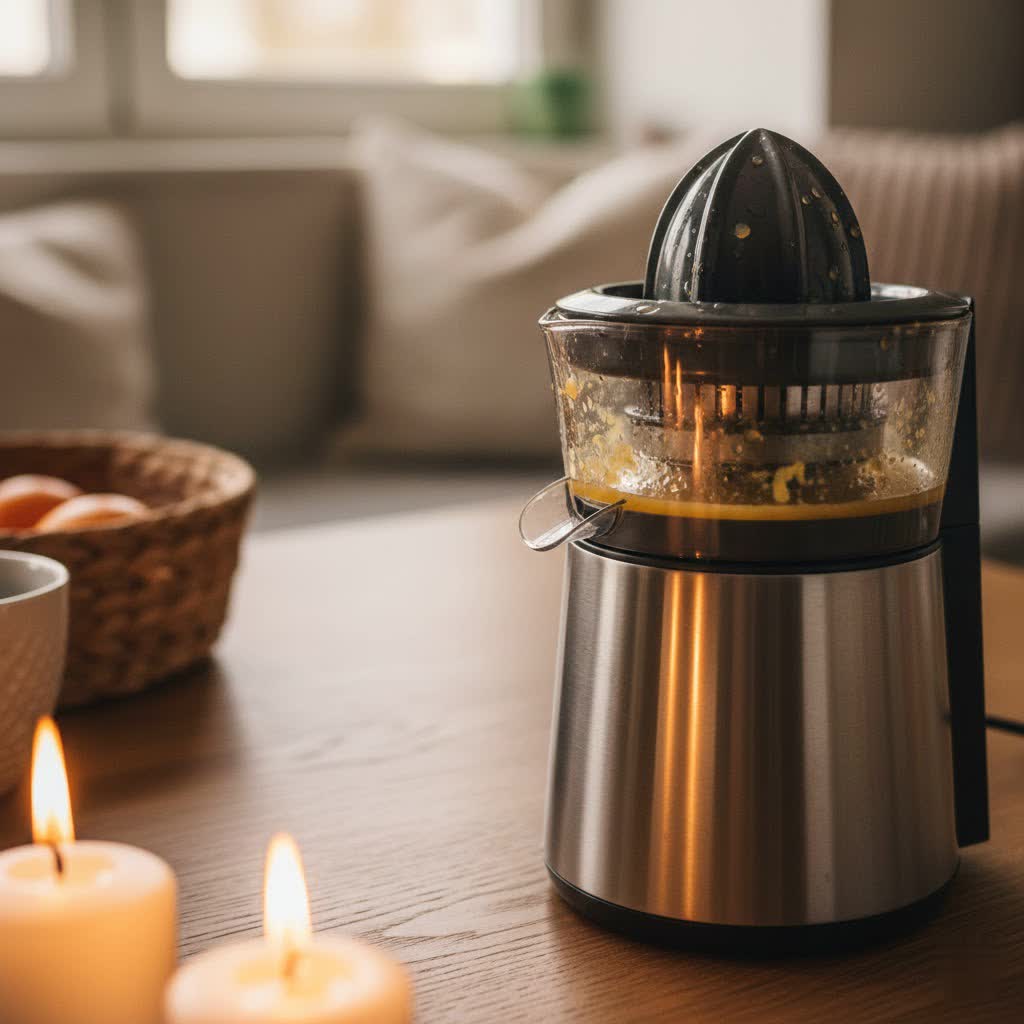
A manual fruit press juicer is a non-electric device designed to extract juice from fruits through direct physical force. Unlike electric juicers that use motors to spin blades or augers, these presses rely on leverage and pressure, typically operated by hand. They come in various forms, from simple handheld squeezers ideal for lemons and limes to more substantial countertop models featuring a lever mechanism. The defining characteristic is their mechanical nature, requiring no electricity, making them both eco-friendly and versatile for any setting.
These juicers are particularly celebrated for their effectiveness with citrus fruits such as oranges, grapefruits, lemons, and limes, as well as pomegranates. Their design often involves a cone or a basin where the halved fruit is placed, and a pressing mechanism then squeezes the pulp against a strainer, separating the juice from seeds and unwanted solids.
Why Opt for a Manual Fruit Press?
Choosing a manual fruit press juicer over its electric counterparts offers several compelling advantages:
- Simplicity and Reliability: With no complex electronics or moving parts to break down, manual presses are incredibly durable and reliable. They are always ready for use, free from power outages or battery concerns.
- Portability: Their independence from electricity means you can use them anywhere—in your kitchen, on a picnic, or while camping, as long as you have fresh fruit.
- Nutrient Preservation: Manual pressing generates minimal heat, which helps preserve more of the delicate enzymes and vitamins in the fruit. This “cold press” method ensures a highly nutritious juice.
- Ease of Cleaning: Most manual fruit presses are designed with few components, often made of stainless steel or cast iron, making them exceptionally easy to rinse clean. Many parts are also dishwasher safe.
- Quiet Operation: Enjoy the peace of your kitchen as you juice, free from the noisy motors of electric juicers.
- Cost-Effectiveness: Generally, manual juicers are more affordable than electric models, offering excellent value for a long-lasting kitchen tool.
Mastering Your Manual Press: Tips for Optimal Juicing
Getting the most out of your manual fruit press is straightforward with a few key techniques:
- Select Ripe Fruit: Always start with fresh, ripe, but firm fruit. Wash it thoroughly to remove any dirt or residue.
- Prepare the Fruit: For most citrus, cut the fruit in half. Some recommend rolling the fruit on a countertop with gentle pressure before cutting to loosen the internal segments and maximize juice yield. For handheld squeezers, cutting the fruit lengthwise rather than crosswise can sometimes yield more juice.
- Correct Placement:
- Handheld Squeezers: Place the cut side of the fruit facing down into the bowl of the squeezer. This ensures the juice flows directly out and prevents spraying.
- Countertop Lever Presses: Place the fruit half, cut side down, onto the reaming cone or press plate.
- Apply Pressure: For handheld models, grip the handles firmly with both hands and squeeze repeatedly until no more juice is extracted. For lever-style presses, pull the handle down with steady force, letting the leverage do the work.
- Empty and Repeat: Once the juice is extracted, remove the spent fruit and repeat the process with the remaining halves.
Key Features to Consider Before Buying
When selecting a manual fruit press juicer, keep these features in mind:
- Material Quality: Look for durable materials like heavy-duty cast iron, high-grade stainless steel, or robust, BPA-free polymers for longevity.
- Ergonomics: An ergonomic handle and a stable base (for countertop models) will make the juicing process more comfortable and efficient.
- Strainer Effectiveness: A good built-in strainer or filter is crucial for separating pulp and seeds, ensuring a smooth, clean juice.
- Cleaning Convenience: Opt for models with easily detachable and dishwasher-safe parts to simplify cleanup.
- Size and Capacity: Consider the types and quantities of fruit you plan to juice. Smaller handheld squeezers are perfect for individual lemons and limes, while larger lever presses can handle grapefruits and pomegranates for bigger batches.
Maintaining Your Juicer for Years of Freshness
Caring for your manual fruit press juicer is simple. After each use, rinse all components immediately with warm, soapy water to prevent pulp from drying and sticking. For many models, a quick rinse under the tap is sufficient, and if parts are dishwasher safe, they can be placed on the top rack. Store your juicer in a dry place, and if it has a lever, ensure it’s in a safe, locked position if applicable.
The manual fruit press juicer is more than just a tool; it’s an invitation to a more mindful, flavorful way of enjoying fresh fruit. Its blend of traditional charm and practical design makes it an invaluable addition to any kitchen seeking wholesome, homemade goodness.
