Integrating fresh, nutrient-rich juice into your daily routine is a powerful step towards a healthier lifestyle. An Electric Fruit Juicer transforms this aspiration into a convenient reality, offering a myriad of benefits that manual alternatives simply cannot match. Beyond mere convenience, these modern kitchen appliances are engineered to extract the purest essence from your produce, delivering a glassful of vitality with minimal effort.
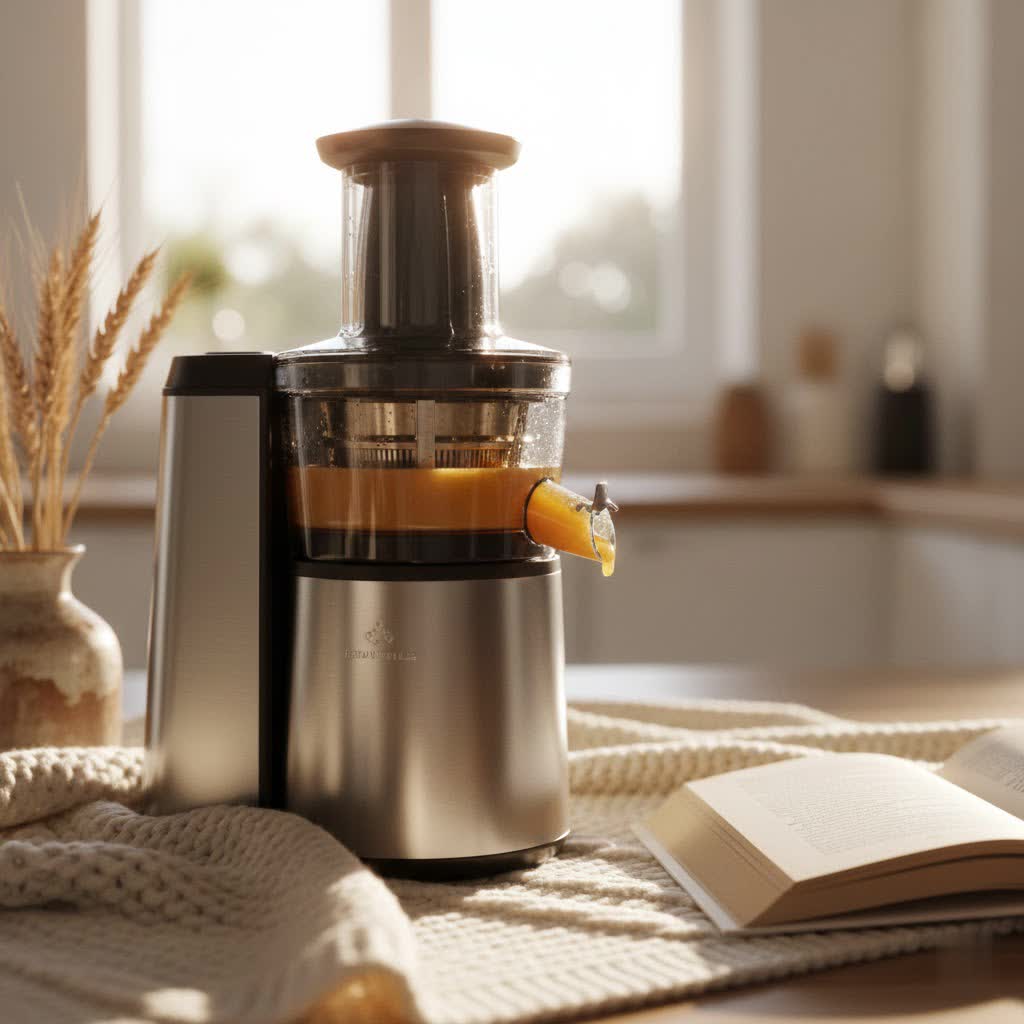
Why an Electric Fruit Juicer is a Kitchen Essential
Electric fruit juicers stand out for their efficiency and ability to unlock the full potential of fruits and vegetables. Here’s why they are a valuable addition to any health-conscious kitchen:
- Effortless Nutrient Extraction: Electric juicers efficiently break down cell walls, extracting a higher volume of nutrient-dense juice compared to manual methods. This means you get more vitamins, minerals, and enzymes in every glass, supporting improved overall health and well-being.
- Time-Saving Convenience: Forget the strenuous pressing and grinding of manual juicing. Electric models handle the hard work, allowing you to prepare fresh juice in minutes. Many feature wide feed chutes, minimizing pre-chopping and speeding up your morning routine.
- Boosted Health Benefits: Freshly made juice is a concentrated source of antioxidants, vitamins (like Vitamin C for immunity), and minerals. Regular juicing can contribute to detoxification, improved digestion, enhanced skin health, increased energy levels, and even aid in weight management.
- Cost-Effective Wellness: While an initial investment, an electric juicer can save you money in the long run. Making your own juice at home is significantly cheaper than purchasing pre-made or juice bar options, allowing you to enjoy fresh beverages daily without breaking the bank.
- Versatility in Your Glass: Electric juicers can handle a wide array of produce, from leafy greens and tough root vegetables to delicate berries and citrus fruits. This versatility encourages a more diverse intake of plant-based nutrients, expanding your dietary horizons.
Understanding the Types of Electric Fruit Juicers
The world of electric juicers offers different technologies, each with distinct advantages:
Centrifugal Juicers
These are typically the fastest and most affordable electric juicers. They work by using a high-speed spinning blade that grates produce against a mesh filter, separating juice from pulp.
- Pros: Quick operation, generally less expensive, easy to use for beginners.
- Cons: High speed can generate heat and introduce air, potentially leading to some nutrient loss and oxidation (resulting in foam). Less efficient for leafy greens.
|
Our Picks for the Best Fruit Juicer in 2026
As an Amazon Associate I earn from qualifying purchases.
|
||
| Num | Product | Action |
|---|---|---|
| 1 | Zulay Kitchen Metal 2-in-1 Lemon Squeezer - Sturdy Max Extraction Hand Juicer Lemon Squeezer Gets Every Last Drop - Easy to Clean Manual Citrus Juicer - Easy-Use Lemon Juicer Squeezer - Black/Yellow |

|
| 2 | Zulay Kitchen Metal 2-in-1 Lemon Squeezer - Sturdy Max Extraction Hand Juicer Lemon Squeezer Gets Every Last Drop - Easy to Clean Manual Citrus Juicer - Easy-Use Lemon Juicer Squeezer - Yellow/Red |
|
| 3 | Zulay Kitchen Metal 2-in-1 Lemon Squeezer - Sturdy Max Extraction Hand Juicer Lemon Squeezer Gets Every Last Drop - Easy to Clean Manual Citrus Juicer - Easy-Use Lemon Juicer Squeezer - Black/Red |
|
| 4 | Juicer Machines with 5.8\" Large Feed Chute, Cold Press Juicer for Whole Vegetables and Fruits 400W, Slow Masticating juicer Easy to Clean Juice Extractor Machine High Juice Yield |
|
| 5 | Ninja NeverClog Cold Press Juicer, Powerful Slow Juicer with Total Pulp Control, Countertop, Electric, 2 Pulp Functions, Dishwasher Safe, 2nd Generation, Blue/Navy, JC151NV |
|
| 6 | Zulay Kitchen Metal 2-in-1 Lemon Squeezer - Sturdy Max Extraction Hand Juicer Lemon Squeezer Gets Every Last Drop - Easy to Clean Manual Citrus Juicer - Easy-Use Lemon Juicer Squeezer - Blue/Yellow |
|
| 7 | Ninja NeverClog Cold Press Juicer, Powerful Slow Juicer with Total Pulp Control, Countertop, Electric, 2 Pulp Functions, Dishwasher Safe, 2nd Generation, Steam Gray, JC151SL |
|
| 8 | Ninja NeverClog Cold Press Juicer, Powerful Slow Juicer with Total Pulp Control, Countertop, Electric, 2 Pulp Functions, Dishwasher Safe, 2nd Generation, Charcoal, JC151 |
|
| 9 | Zulay Kitchen Metal 2-in-1 Lemon Squeezer - Sturdy Max Extraction Hand Juicer Lemon Squeezer Gets Every Last Drop - Easy to Clean Manual Citrus Juicer - Easy-Use Lemon Juicer Squeezer - Red/Yellow |
|
| 10 | Zulay Kitchen Cast Iron Juicer - Easy-to-Clean Heavy-Duty Manual Juicer, Professional Citrus Juicer - Stainless Steel Lemon Squeezer - Manual Citrus Press & Orange Squeezer - Orange Juicer (Black) |
|
Masticating Juicers (Slow Juicers / Cold Press Juicers)
Masticating juicers operate at slower speeds, crushing and pressing fruits and vegetables to extract juice. This “cold press” method minimizes heat and oxidation.
- Pros: Higher juice yield, superior nutrient preservation, excellent for leafy greens and wheatgrass, quieter operation, produces less foam, and the juice often has a longer shelf life.
- Cons: Slower juicing process, generally more expensive.
Electric Citrus Juicers
Specifically designed for oranges, lemons, limes, and grapefruits, these juicers often feature a reamer that rotates to extract juice from halved citrus fruits.
- Pros: Simple, compact, and highly efficient for citrus, often very affordable.
- Cons: Limited to citrus fruits only.
Key Features to Consider Before You Buy
Choosing the right electric fruit juicer depends on your juicing habits and preferences. Keep these factors in mind:
- Motor Power and Speed (RPM): Centrifugal juicers often require higher wattage (600-1000W) for speed, while masticating juicers operate effectively at lower wattages (150-200W) and slower RPMs (40-80) to preserve nutrients. Consider your produce types; tougher ingredients benefit from stronger motors.
- Feed Chute Size: A wider feed chute (3 inches or more) reduces prep time by accommodating larger pieces or whole fruits. Smaller chutes require more chopping.
- Ease of Cleaning: Juicers have multiple parts, so look for models with dishwasher-safe components and included cleaning brushes. Some designs, especially “easy-clean” slow juicers, significantly simplify post-juicing cleanup.
- Noise Level: Centrifugal juicers tend to be louder due to their high-speed motors. Masticating juicers are generally much quieter, making for a more pleasant juicing experience.
- Size and Countertop Footprint: Measure your available kitchen space. Some powerful juicers can be bulky, while compact vertical masticating juicers can save space.
- Pulp Control: Some juicers offer settings or different filters for pulp control, allowing you to customize your juice consistency. Automatic pulp ejection systems are convenient for continuous juicing.
- Durability and Warranty: Invest in a juicer with quality construction and a good warranty, especially on the motor. Many reputable brands offer warranties ranging from 1 to 15 years.
Conclusion
An electric fruit juicer is more than just an appliance; it’s an investment in your health and well-being. By understanding the different types and key features, you can select the perfect model to effortlessly integrate fresh, vibrant, and nutrient-packed juices into your daily life. Whether you prioritize speed, maximum nutrient retention, or ease of use, there’s an electric juicer designed to help you unlock a world of flavor and vitality.
