Embracing a healthier lifestyle often begins in the kitchen, and for many, that means incorporating fresh, homemade juices into their daily routine. The concept of a “Full Fruit Juicer,” also known as a wide-mouth juicer, has revolutionized this process, promising unparalleled convenience by minimizing the tedious task of pre-chopping fruits and vegetables. These innovative appliances allow you to drop in whole produce, transforming your juicing experience from a chore into a quick and enjoyable part of your day.
What Defines a Full Fruit Juicer?
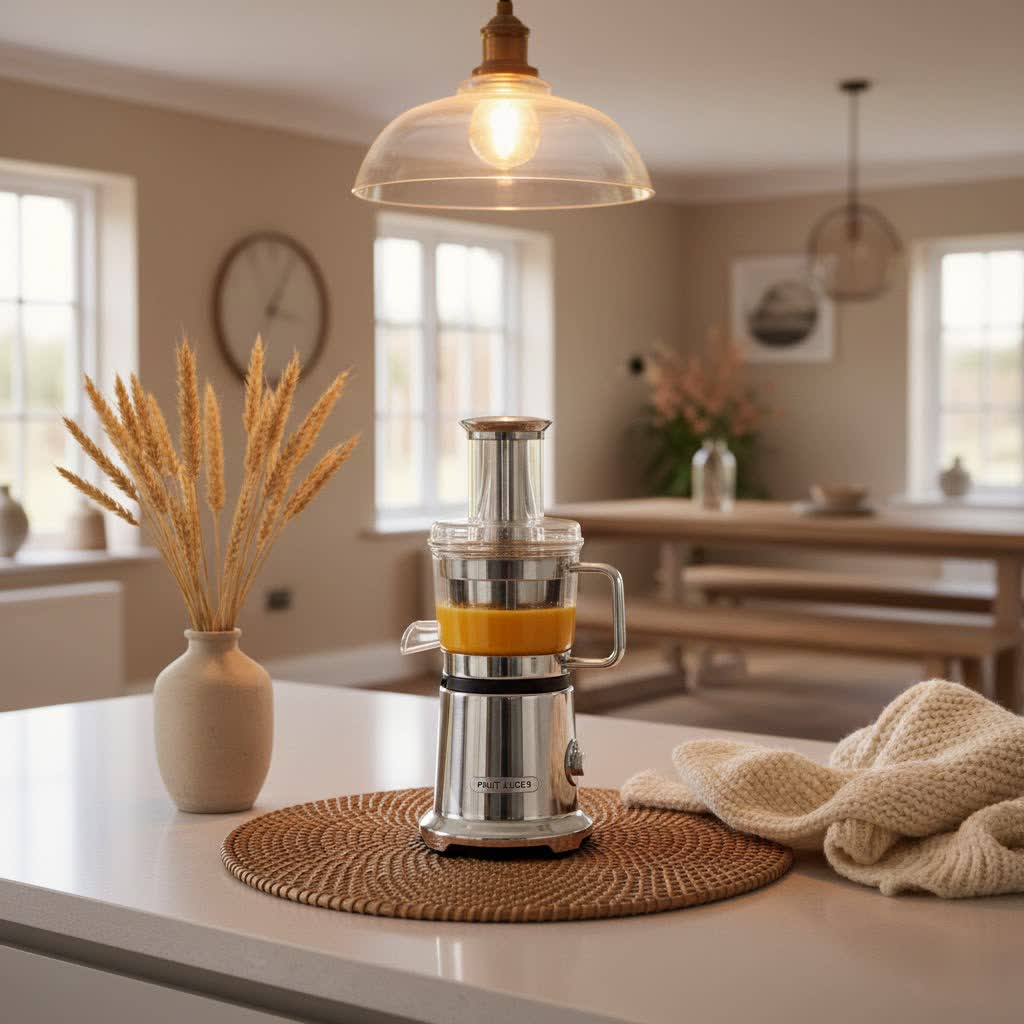
At its core, a full fruit juicer is characterized by an extra-wide feed chute designed to accommodate substantial pieces of produce, often entire fruits like apples or large vegetables like carrots, without the need for extensive cutting. This “whole fruit” capability is a game-changer, drastically reducing preparation time and encouraging more consistent juicing habits. The primary appeal lies in its efficiency and the seamless transition from raw ingredients to nutrient-rich beverages.
Exploring the Main Types of Full Fruit Juicers
While the “full fruit” aspect primarily refers to the feed chute size, it’s essential to understand that this feature can be found across different juicer types, each with its own operational mechanism and benefits. The two predominant categories are centrifugal and masticating (slow/cold press) juicers.
Centrifugal Juicers with Wide Chutes
Centrifugal juicers are often the fastest and most budget-friendly option, making them a popular choice for beginners or those seeking quick juice. They operate by using a rapidly spinning blade to shred produce into pulp, then centrifugal force separates the juice from the pulp through a fine mesh screen.
Pros:
- Speed: They process fruits and vegetables very quickly.
- Ease of Use: Generally straightforward to assemble and operate.
- Affordability: Typically less expensive than masticating models.
- Wide Feed Chutes: Many centrifugal models are equipped with wide mouths, accommodating whole fruits like apples and large vegetables, significantly reducing prep time.
Cons:
- Noise: They can be quite loud during operation.
- Oxidation and Heat: The high-speed spinning generates heat and introduces air, which can lead to faster oxidation of nutrients and a shorter juice shelf life (best consumed immediately).
- Pulp and Foam: Often produce more foam and slightly wetter pulp, indicating less efficient extraction compared to slow juicers.
- Less Effective for Leafy Greens: Struggle to extract maximum juice from fibrous leafy greens.
|
Our Picks for the Best Fruit Juicer in 2026
As an Amazon Associate I earn from qualifying purchases.
|
||
| Num | Product | Action |
|---|---|---|
| 1 | Zulay Kitchen Metal 2-in-1 Lemon Squeezer - Sturdy Max Extraction Hand Juicer Lemon Squeezer Gets Every Last Drop - Easy to Clean Manual Citrus Juicer - Easy-Use Lemon Juicer Squeezer - Yellow/Red |

|
| 2 | Ninja NeverClog Cold Press Juicer, Powerful Slow Juicer with Total Pulp Control, Countertop, Electric, 2 Pulp Functions, Dishwasher Safe, 2nd Generation, Charcoal, JC151 |
|
| 3 | Zulay Kitchen Metal 2-in-1 Lemon Squeezer - Sturdy Max Extraction Hand Juicer Lemon Squeezer Gets Every Last Drop - Easy to Clean Manual Citrus Juicer - Easy-Use Lemon Juicer Squeezer - Black/Yellow |
|
| 4 | Zulay Kitchen Cast Iron Juicer - Easy-to-Clean Heavy-Duty Manual Juicer, Professional Citrus Juicer - Stainless Steel Lemon Squeezer - Manual Citrus Press & Orange Squeezer - Orange Juicer (Black) |
|
| 5 | Juicer Machines with 5.8\" Large Feed Chute, Cold Press Juicer for Whole Vegetables and Fruits 400W, Slow Masticating juicer Easy to Clean Juice Extractor Machine High Juice Yield |
|
| 6 | Ninja NeverClog Cold Press Juicer, Powerful Slow Juicer with Total Pulp Control, Countertop, Electric, 2 Pulp Functions, Dishwasher Safe, 2nd Generation, Blue/Navy, JC151NV |
|
| 7 | Ninja NeverClog Cold Press Juicer, Powerful Slow Juicer with Total Pulp Control, Countertop, Electric, 2 Pulp Functions, Dishwasher Safe, 2nd Generation, Steam Gray, JC151SL |
|
| 8 | Zulay Kitchen Metal 2-in-1 Lemon Squeezer - Sturdy Max Extraction Hand Juicer Lemon Squeezer Gets Every Last Drop - Easy to Clean Manual Citrus Juicer - Easy-Use Lemon Juicer Squeezer - Blue/Yellow |
|
| 9 | Zulay Kitchen Metal 2-in-1 Lemon Squeezer - Sturdy Max Extraction Hand Juicer Lemon Squeezer Gets Every Last Drop - Easy to Clean Manual Citrus Juicer - Easy-Use Lemon Juicer Squeezer - Black/Red |
|
| 10 | Zulay Kitchen Metal 2-in-1 Lemon Squeezer - Sturdy Max Extraction Hand Juicer Lemon Squeezer Gets Every Last Drop - Easy to Clean Manual Citrus Juicer - Easy-Use Lemon Juicer Squeezer - Red/Yellow |
|
Notable centrifugal juicers often praised for wide feed chutes include Breville Juice Fountain models (like the Juice Fountain Cold Plus and Juice Fountain Elite) and the Hamilton Beach Big Mouth Juicer.
Masticating (Slow/Cold Press) Juicers with Wide Chutes or Hoppers
Masticating juicers, also known as slow juicers or cold press juicers, operate at much slower speeds, “chewing” or pressing produce to extract juice. This gentle process minimizes heat and oxidation, leading to a higher quality juice with a longer shelf life. While traditionally having narrower feed chutes, newer innovations have introduced “full fruit” or “whole slow juicers” in this category.
Pros:
- Superior Nutrient Retention: The slow, low-heat process preserves more enzymes and nutrients, resulting in a more vibrant and healthier juice.
- Higher Juice Yield: They extract more juice from produce, leaving behind drier pulp.
- Excellent for Leafy Greens: Highly effective at juicing fibrous vegetables and wheatgrass.
- Quieter Operation: Generally much quieter than centrifugal juicers.
- Longer Juice Shelf Life: Juice can typically be stored for up to 48-72 hours in an airtight container without significant degradation.
Cons:
- Slower Operation: The juicing process takes more time due to slower RPMs.
- Higher Cost: Masticating juicers are often a significant investment.
- Prep Time (Traditional): Older models typically require produce to be cut into smaller pieces.
- Potential for Clogging: If produce isn’t mashed small enough, it can sometimes jam the auger.
Modern masticating juicers like the NutriBullet Slow Juicer, Omega Cold Press Slow Juicer, and Kuvings Whole Slow Juicer REVO830W are lauded for combining the benefits of cold press technology with wider feed chutes or large hoppers that can accommodate whole apples and other substantial ingredients, streamlining the juicing process.
Key Features to Consider When Buying
Choosing the ideal full fruit juicer involves weighing several factors against your personal needs and lifestyle.
- Feed Chute Size: This is paramount for a “full fruit” juicer. Look for models with chutes 3 inches or wider to minimize pre-cutting.
- Ease of Cleaning: Juicing can be messy. Consider models with dishwasher-safe parts or minimal components for quick rinsing. Many come with cleaning brushes, which are essential for mesh screens.
- Juice Yield and Quality: Masticating juicers generally offer higher yields and better-quality juice in terms of nutrient density and taste.
- Speed vs. Nutrient Retention: Decide if speed is your priority (centrifugal) or if you prefer maximum nutrient preservation and longer-lasting juice (masticating).
- Noise Level: If you plan to juice early in the morning, a quieter masticating juicer might be preferable.
- Durability and Warranty: A good warranty can indicate a manufacturer’s confidence in their product. Some high-end models offer extensive warranties, such as 10 or 15 years.
- Footprint and Storage: Consider the counter space available in your kitchen.
- Versatility: Some juicers offer attachments for making sorbets, pasta, or nut butters, adding to their value.
- Price and Budget: Juicers range widely in price, from under $100 to several hundred dollars.
The Transformative Benefits of a Full Fruit Juicer
Investing in a full fruit juicer can significantly impact your health and daily routine.
- Time-Saving Convenience: The ability to insert whole fruits and vegetables drastically cuts down on preparation time, making it easier to stick to a regular juicing regimen.
- Enhanced Nutrient Intake: Fresh juices provide a concentrated dose of vitamins, minerals, and antioxidants, helping you meet your daily fruit and vegetable requirements effortlessly.
- Reduced Food Waste: Juicers can process produce that might be slightly past its peak for eating whole but is still perfectly good for juicing, minimizing waste.
- Promotes Healthy Habits: The sheer ease of using a full fruit juicer encourages more frequent juicing, leading to a healthier diet and increased energy.
In conclusion, a full fruit juicer offers a compelling blend of convenience and nutritional benefits. By understanding the differences between centrifugal and masticating models and considering key features like feed chute size, ease of cleaning, and juice quality, you can select the perfect appliance to bring the goodness of fresh, whole produce into your daily life.
