Incorporating an abundance of fresh fruits and vegetables into your daily diet is a cornerstone of good health, yet it can often feel like a challenge. This is where a fruit juicer becomes an invaluable kitchen appliance, transforming whole produce into concentrated, easy-to-drink nutrition. Whether you’re a seasoned health enthusiast or new to the world of juicing, understanding the different types of juicers and their benefits can help you make an informed choice that aligns with your lifestyle.
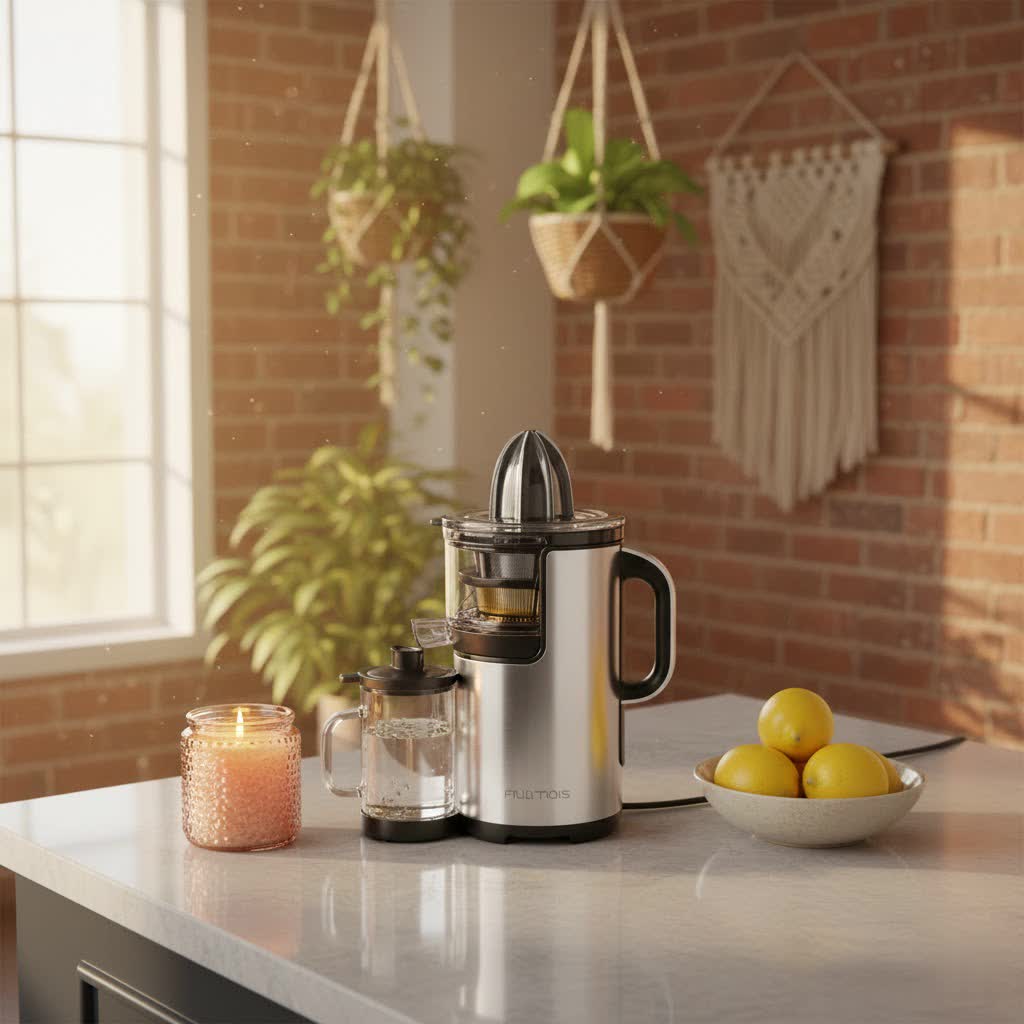
Why Juice? The Health Benefits of Fresh Fruit Juices
Juicing offers a convenient way to boost your nutritional intake, providing a concentrated dose of vitamins, minerals, and antioxidants from fresh produce. The process separates the liquid from the fiber, allowing your body to absorb nutrients quickly and efficiently.
Key benefits of integrating fresh fruit juices into your routine include:
- Enhanced Nutrient Absorption: Fresh juices are rich in essential vitamins like C, A, K, and B vitamins, along with minerals such as folate, potassium, magnesium, and iron. These nutrients are more readily absorbed by the body in liquid form.
- Increased Fruit and Vegetable Intake: Juicing makes it easier to consume a wider variety and larger quantity of fruits and vegetables than you might eat in solid form, helping you meet your daily nutritional goals.
- Improved Hydration: Many fruits and vegetables are packed with water, making fresh juice an excellent and flavorful way to stay hydrated throughout the day.
- Immune System Support: High levels of Vitamin C and various antioxidants found in fresh juices contribute to a stronger immune system, helping to protect the body against infections and diseases.
- Digestive Ease: For those with sensitive digestive systems, removing pulp (fiber) through juicing means the body expends less energy on digestion, making essential enzymes and nutrients more bioavailable.
- Natural Energy Boost: The natural sugars in fruit juices provide a quick and healthy source of energy, making them ideal for pre- or post-workout replenishment.
- Detoxification Support: Juices, particularly those rich in leafy greens and citrus, can aid in the body’s natural detoxification processes, helping to eliminate harmful toxins.
- Potential for Disease Prevention: The high concentration of antioxidants and beneficial compounds in fresh juices may contribute to reducing the risk of chronic diseases.
Understanding Your Options: Types of Fruit Juicers
When selecting a juicer, you’ll primarily encounter two main categories for home use, each with distinct mechanisms and benefits.
Centrifugal Juicers
These are often the most common and entry-level juicers. They operate by shredding fruits and vegetables with a fast-spinning blade against a mesh filter. Centrifugal force then separates the juice from the pulp.
- Pros: They are generally faster, more affordable, and typically have wider feed chutes, requiring less pre-chopping of produce. Many parts are often dishwasher-safe, simplifying cleanup.
- Cons: The high-speed process can introduce more air and heat, leading to faster oxidation of the juice. This means the juice should ideally be consumed immediately for maximum nutrient retention and fresh flavor, as it generally won’t last overnight. They can also be quite noisy and less efficient at extracting juice from leafy greens.
|
Our Picks for the Best Fruit Juicer in 2026
As an Amazon Associate I earn from qualifying purchases.
|
||
| Num | Product | Action |
|---|---|---|
| 1 | Ninja NeverClog Cold Press Juicer, Powerful Slow Juicer with Total Pulp Control, Countertop, Electric, 2 Pulp Functions, Dishwasher Safe, 2nd Generation, Charcoal, JC151 |

|
| 2 | Ninja NeverClog Cold Press Juicer, Powerful Slow Juicer with Total Pulp Control, Countertop, Electric, 2 Pulp Functions, Dishwasher Safe, 2nd Generation, Blue/Navy, JC151NV |
|
| 3 | Zulay Kitchen Cast Iron Juicer - Easy-to-Clean Heavy-Duty Manual Juicer, Professional Citrus Juicer - Stainless Steel Lemon Squeezer - Manual Citrus Press & Orange Squeezer - Orange Juicer (Black) |
|
| 4 | Zulay Kitchen Metal 2-in-1 Lemon Squeezer - Sturdy Max Extraction Hand Juicer Lemon Squeezer Gets Every Last Drop - Easy to Clean Manual Citrus Juicer - Easy-Use Lemon Juicer Squeezer - Red/Yellow |
|
| 5 | Zulay Kitchen Metal 2-in-1 Lemon Squeezer - Sturdy Max Extraction Hand Juicer Lemon Squeezer Gets Every Last Drop - Easy to Clean Manual Citrus Juicer - Easy-Use Lemon Juicer Squeezer - Blue/Yellow |
|
| 6 | Zulay Kitchen Metal 2-in-1 Lemon Squeezer - Sturdy Max Extraction Hand Juicer Lemon Squeezer Gets Every Last Drop - Easy to Clean Manual Citrus Juicer - Easy-Use Lemon Juicer Squeezer - Black/Yellow |
|
| 7 | Ninja NeverClog Cold Press Juicer, Powerful Slow Juicer with Total Pulp Control, Countertop, Electric, 2 Pulp Functions, Dishwasher Safe, 2nd Generation, Steam Gray, JC151SL |
|
| 8 | Zulay Kitchen Metal 2-in-1 Lemon Squeezer - Sturdy Max Extraction Hand Juicer Lemon Squeezer Gets Every Last Drop - Easy to Clean Manual Citrus Juicer - Easy-Use Lemon Juicer Squeezer - Black/Red |
|
| 9 | Juicer Machines with 5.8\" Large Feed Chute, Cold Press Juicer for Whole Vegetables and Fruits 400W, Slow Masticating juicer Easy to Clean Juice Extractor Machine High Juice Yield |
|
| 10 | Zulay Kitchen Metal 2-in-1 Lemon Squeezer - Sturdy Max Extraction Hand Juicer Lemon Squeezer Gets Every Last Drop - Easy to Clean Manual Citrus Juicer - Easy-Use Lemon Juicer Squeezer - Yellow/Red |
|
Masticating Juicers (Slow or Cold Press)
Masticating juicers, also known as slow juicers or cold press juicers, use a single auger (a corkscrew-like gear) to slowly chew, crush, and press produce against a screen. This gentle, low-speed process extracts juice efficiently.
- Pros: They produce a higher juice yield with drier pulp, indicating more thorough extraction. The slower speed minimizes oxidation, preserving more nutrients and enzymes, and allowing the juice to be stored for up to 48-72 hours in an airtight container. Masticating juicers are also quieter and excel at juicing leafy greens, wheatgrass, and even making nut butters or baby food with certain attachments.
- Cons: These juicers are typically more expensive and operate slower, meaning the overall juicing process takes longer. They often have narrower feed chutes, which requires more pre-chopping of fruits and vegetables. Cleanup can also involve more parts, though many are designed for ease of cleaning.
Triturating Juicers (Twin Gear)
A sub-category of masticating juicers, twin gear (or triturating) juicers feature two interlocking augers that grind and press produce even more finely. They operate at the slowest speeds, yielding the highest amount of juice and maximum nutrient retention, making them a premium choice for serious juicers.
Choosing Your Perfect Fruit Juicer: What to Consider
Selecting the right juicer depends on your individual needs and habits. Consider these factors before making your investment:
- Lifestyle and Goals: If speed and convenience are paramount for occasional juicing, a centrifugal model might be suitable. For daily juicers prioritizing nutrient preservation, higher yield, and versatility with leafy greens, a masticating juicer is often preferred.
- Budget: Juicers range widely in price. Entry-level centrifugal models are more affordable, while high-performance masticating and twin gear juicers represent a greater investment.
- Types of Produce You’ll Juice: If you plan to juice a lot of hard fruits and root vegetables, both types perform well. However, for large quantities of leafy greens, herbs, or wheatgrass, a masticating or twin gear juicer will be significantly more effective.
- Ease of Use and Cleaning: Consider the feed chute size (wider means less prep), the number of components, and whether parts are dishwasher-safe. Regardless of type, cleaning your juicer immediately after use prevents pulp from drying and sticking, making the process much easier. Many juicers come with a scrub brush, which is essential for cleaning mesh screens.
- Countertop Space and Noise Level: Some juicers can be bulky. If kitchen space is limited, look for more compact designs. Centrifugal juicers tend to be louder, while masticating models operate more quietly.
- Durability and Warranty: A juicer is an investment in your health, so consider models with good build quality and a solid warranty for long-term reliability.
Tips for Maximizing Your Juicing Experience
- Clean Immediately: To prevent sticky residue and simplify cleaning, always rinse or wash your juicer parts immediately after use. If you can’t clean right away, soak the parts in warm water.
- Proper Juice Storage: Store freshly made juice in airtight containers in the refrigerator to maximize its freshness and nutrient content, especially for masticating juices.
- Experiment: Don’t be afraid to try different combinations of fruits and vegetables to discover new flavors and nutrient profiles.
Investing in a fruit juicer is a step towards a healthier lifestyle, empowering you to effortlessly incorporate more fresh produce into your diet. By considering your needs and understanding the distinctions between juicer types, you can select the perfect appliance to squeeze more wellness into your everyday routine.
