In the pursuit of a healthier lifestyle, many are discovering the transformative power of fresh, homemade juices. While various juicers exist, the Slow Fruit Juicer, also known as a masticating or cold press juicer, stands out for its ability to deliver superior quality, nutrient-dense beverages. Unlike its high-speed counterparts, a slow juicer operates with a gentle touch, revolutionizing how we extract goodness from fruits and vegetables.
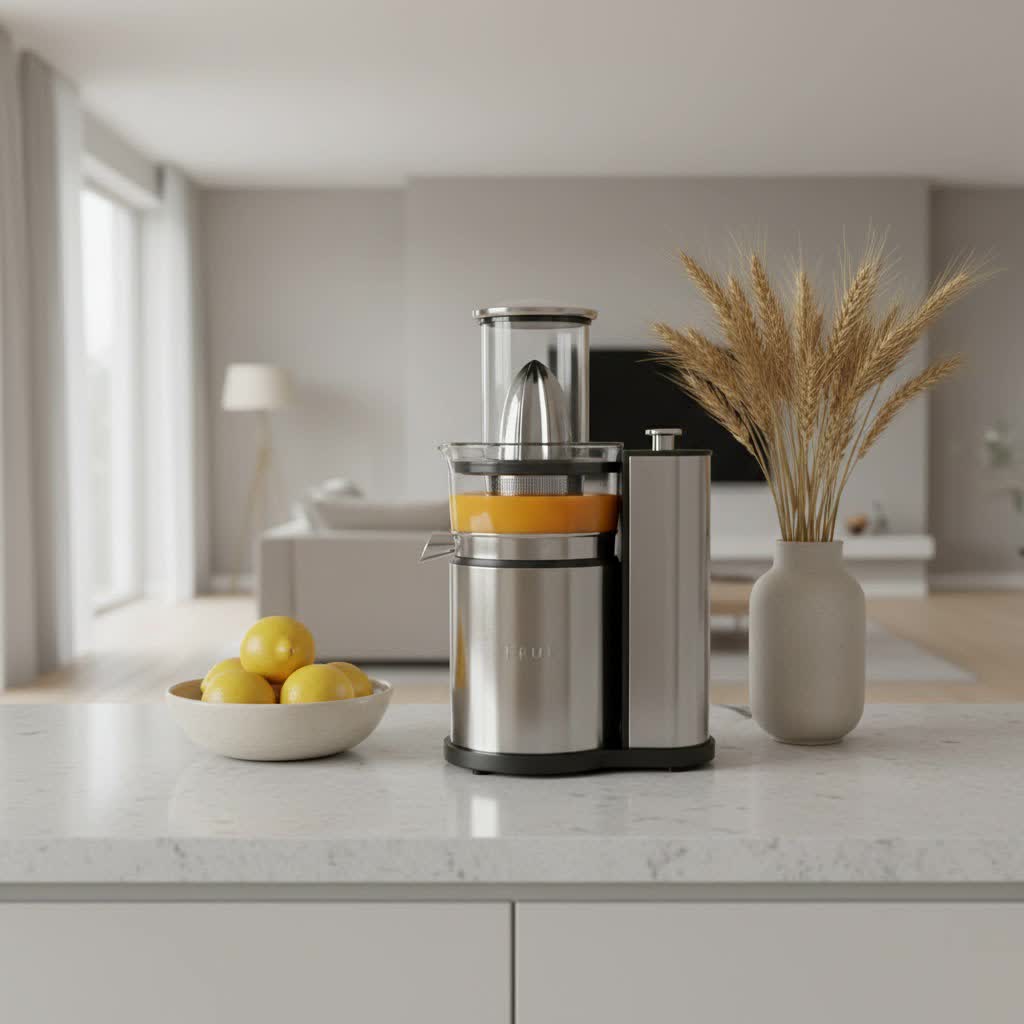
What Exactly is a Slow Fruit Juicer?
|
Our Picks for the Best Fruit Juicer in 2026
As an Amazon Associate I earn from qualifying purchases.
|
||
| Num | Product | Action |
|---|---|---|
| 1 | Zulay Kitchen Metal 2-in-1 Lemon Squeezer - Sturdy Max Extraction Hand Juicer Lemon Squeezer Gets Every Last Drop - Easy to Clean Manual Citrus Juicer - Easy-Use Lemon Juicer Squeezer - Red/Yellow |

|
| 2 | Zulay Kitchen Metal 2-in-1 Lemon Squeezer - Sturdy Max Extraction Hand Juicer Lemon Squeezer Gets Every Last Drop - Easy to Clean Manual Citrus Juicer - Easy-Use Lemon Juicer Squeezer - Black/Yellow |
|
| 3 | Zulay Kitchen Metal 2-in-1 Lemon Squeezer - Sturdy Max Extraction Hand Juicer Lemon Squeezer Gets Every Last Drop - Easy to Clean Manual Citrus Juicer - Easy-Use Lemon Juicer Squeezer - Blue/Yellow |
|
| 4 | Ninja NeverClog Cold Press Juicer, Powerful Slow Juicer with Total Pulp Control, Countertop, Electric, 2 Pulp Functions, Dishwasher Safe, 2nd Generation, Steam Gray, JC151SL |
|
| 5 | Ninja NeverClog Cold Press Juicer, Powerful Slow Juicer with Total Pulp Control, Countertop, Electric, 2 Pulp Functions, Dishwasher Safe, 2nd Generation, Blue/Navy, JC151NV |
|
| 6 | Ninja NeverClog Cold Press Juicer, Powerful Slow Juicer with Total Pulp Control, Countertop, Electric, 2 Pulp Functions, Dishwasher Safe, 2nd Generation, Charcoal, JC151 |
|
| 7 | Juicer Machines with 5.8\" Large Feed Chute, Cold Press Juicer for Whole Vegetables and Fruits 400W, Slow Masticating juicer Easy to Clean Juice Extractor Machine High Juice Yield |
|
| 8 | Zulay Kitchen Metal 2-in-1 Lemon Squeezer - Sturdy Max Extraction Hand Juicer Lemon Squeezer Gets Every Last Drop - Easy to Clean Manual Citrus Juicer - Easy-Use Lemon Juicer Squeezer - Yellow/Red |
|
| 9 | Zulay Kitchen Metal 2-in-1 Lemon Squeezer - Sturdy Max Extraction Hand Juicer Lemon Squeezer Gets Every Last Drop - Easy to Clean Manual Citrus Juicer - Easy-Use Lemon Juicer Squeezer - Black/Red |
|
| 10 | Zulay Kitchen Cast Iron Juicer - Easy-to-Clean Heavy-Duty Manual Juicer, Professional Citrus Juicer - Stainless Steel Lemon Squeezer - Manual Citrus Press & Orange Squeezer - Orange Juicer (Black) |
|
A slow fruit juicer employs a masticating or “chewing” process, using a powerful auger (a spiral-shaped screw) to crush and press produce against a fine mesh screen. This method slowly squeezes out the juice, separating it from the pulp. Operating at significantly lower speeds, typically between 40 and 100 revolutions per minute (RPM), these machines minimize heat buildup and oxidation.
This is a stark contrast to centrifugal juicers, which use fast-spinning blades (often exceeding 10,000 RPM) to shred ingredients. While centrifugal juicers are quicker, the high speed generates heat and introduces more oxygen into the juice. This exposure can degrade heat-sensitive vitamins and enzymes, reducing the nutritional value and shortening the juice’s shelf life. A slow juicer’s methodical approach ensures that your juice retains its vital nutrients, vibrant color, and pure taste.
The Abundant Benefits of Choosing a Slow Juicer
Opting for a slow fruit juicer brings a multitude of advantages that can significantly enhance your health and juicing experience:
- Maximum Nutrient Retention: By operating at low speeds and generating minimal heat, slow juicers protect delicate enzymes, vitamins, and antioxidants from degradation. This means your juice is packed with more of the beneficial compounds your body craves.
- Superior Juice Quality and Taste: The gentle extraction process results in a smoother, richer, and more flavorful juice. You’ll notice less foam and a truer taste of the fruits and vegetables, often described as crisp and clean.
- Higher Juice Yield, Less Waste: Slow juicers are exceptionally efficient, extracting more liquid from the same amount of produce compared to centrifugal models. The resulting pulp is notably drier, indicating that you’ve maximized the yield from your ingredients and reduced food waste.
- Extended Freshness and Shelf Life: With reduced oxidation, slow-pressed juices can maintain their freshness, flavor, and nutritional integrity for up to 72 hours when stored properly in an airtight container in the refrigerator. This allows for convenient batch juicing.
- Remarkable Versatility for All Produce: These juicers excel at processing a wide array of ingredients, including fibrous leafy greens like kale and spinach, tough root vegetables such as carrots and beets, and even soft fruits. Many models can also be used to make nut milks, sorbets, and baby food, expanding your healthy culinary options.
- Quiet Operation: Unlike the often loud whirring of high-speed juicers, slow masticating juicers operate with a much quieter hum, making your juicing experience more pleasant, especially in the early mornings.
- Improved Digestion: By separating the pulp from the liquid, slow juicers produce juice that is easier for your body to absorb nutrients from, providing a quick and efficient boost without the digestive effort required for whole fruits and vegetables.
Key Features to Consider When Buying a Slow Fruit Juicer
To find the perfect slow juicer for your needs, consider these important features:
- RPM and Motor Power: Look for a juicer with an RPM range between 40 and 80 for optimal nutrient preservation. A motor power of at least 150 watts is recommended for reliable performance, with 200W or higher ideal for processing tougher ingredients like hard vegetables or frozen fruits.
- Feed Chute Design: Juicers with wider feed chutes require less pre-chopping of ingredients, saving you valuable preparation time. Some advanced models even feature self-feeding hoppers, allowing you to load larger quantities at once.
- Ease of Cleaning: While slow juicers have many benefits, cleaning can sometimes be a consideration. Look for models with modular designs and dishwasher-safe parts, and those that come with a dedicated cleaning brush can simplify maintenance.
- Type of Slow Juicer:
- Vertical Slow Juicers are popular for their compact footprint and sleek design, generally performing well with hard fruits and root vegetables. However, some vertical models may struggle with long, fibrous greens like celery due to potential clogging.
- Horizontal Slow Juicers tend to be excellent for leafy greens, celery, and wheatgrass due to their design, which handles fibrous produce more efficiently. They often come with versatile attachments for other food preparation tasks.
- Twin-Gear Juicers offer the highest juice yield and nutrient retention, operating at the slowest speeds, but can be more expensive and complex to assemble and clean.
- Pulp Dryness: A high-quality slow juicer will consistently produce very dry pulp, indicating maximum juice extraction and minimal waste.
- Materials: Opt for juicers made with BPA-free plastics and durable stainless steel components for safety and longevity.
Unlock a World of Wellness
Investing in a slow fruit juicer is more than just buying an appliance; it’s a commitment to enhancing your daily nutrition and overall well-being. By preserving the delicate nutrients, delivering exceptional taste, and maximizing the yield from your produce, a slow juicer empowers you to effortlessly create vibrant, health-boosting beverages at home. Embrace the slow juicing revolution and experience the difference in every glass.
