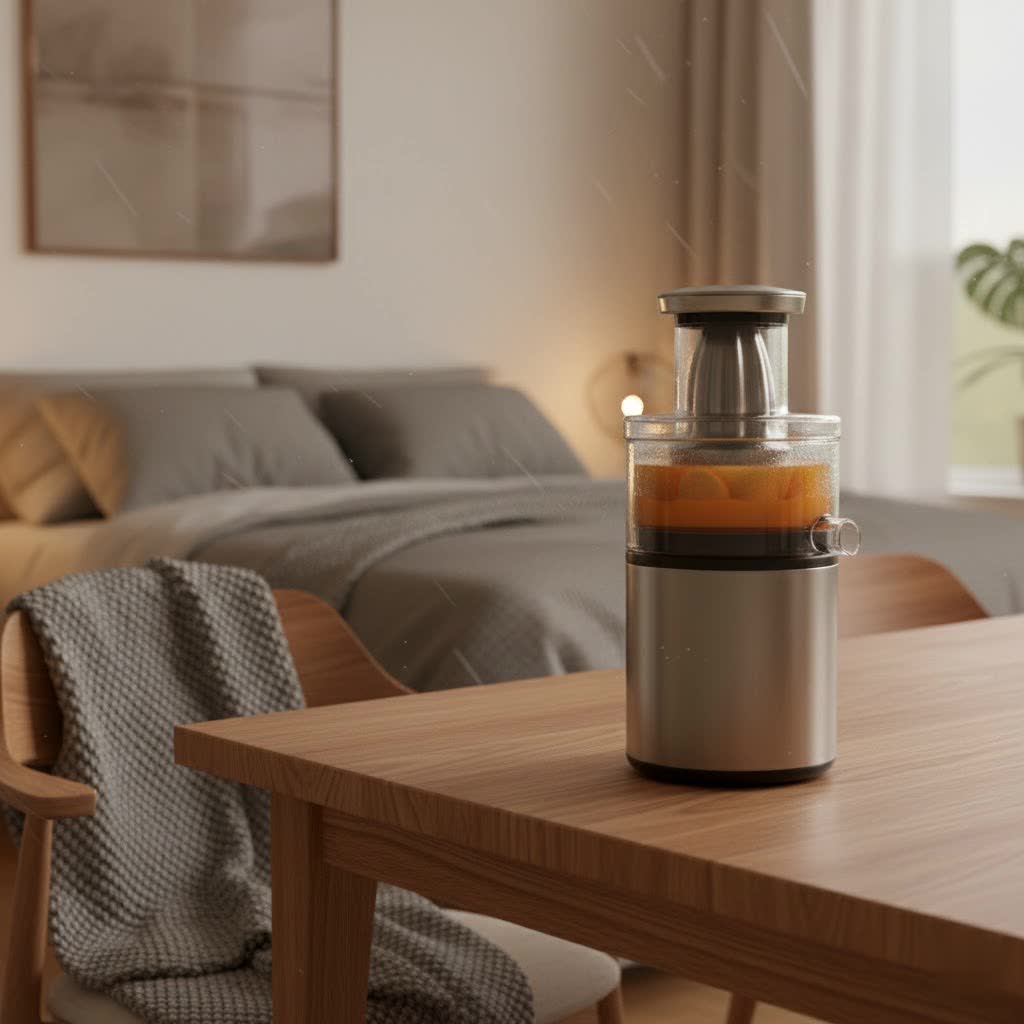
Investing in a fruit juicer is a step towards a healthier lifestyle, offering fresh, nutrient-rich beverages at your fingertips. However, the diverse range of models and their varying price points can make choosing the right one feel daunting. Understanding what influences Fruit Juicer Prices and the value proposition of each type is key to making an informed decision.
Types of Fruit Juicers and Their Price Ranges
The price of a fruit juicer largely depends on its type, which dictates its technology, efficiency, and the quality of juice it produces.
Centrifugal Juicers
|
Our Picks for the Best Fruit Juicer in 2026
As an Amazon Associate I earn from qualifying purchases.
|
||
| Num | Product | Action |
|---|---|---|
| 1 | Zulay Kitchen Metal 2-in-1 Lemon Squeezer - Sturdy Max Extraction Hand Juicer Lemon Squeezer Gets Every Last Drop - Easy to Clean Manual Citrus Juicer - Easy-Use Lemon Juicer Squeezer - Yellow/Red |

|
| 2 | Ninja NeverClog Cold Press Juicer, Powerful Slow Juicer with Total Pulp Control, Countertop, Electric, 2 Pulp Functions, Dishwasher Safe, 2nd Generation, Charcoal, JC151 |
|
| 3 | Juicer Machines with 5.8\" Large Feed Chute, Cold Press Juicer for Whole Vegetables and Fruits 400W, Slow Masticating juicer Easy to Clean Juice Extractor Machine High Juice Yield |
|
| 4 | Zulay Kitchen Metal 2-in-1 Lemon Squeezer - Sturdy Max Extraction Hand Juicer Lemon Squeezer Gets Every Last Drop - Easy to Clean Manual Citrus Juicer - Easy-Use Lemon Juicer Squeezer - Black/Red |
|
| 5 | Zulay Kitchen Metal 2-in-1 Lemon Squeezer - Sturdy Max Extraction Hand Juicer Lemon Squeezer Gets Every Last Drop - Easy to Clean Manual Citrus Juicer - Easy-Use Lemon Juicer Squeezer - Red/Yellow |
|
| 6 | Ninja NeverClog Cold Press Juicer, Powerful Slow Juicer with Total Pulp Control, Countertop, Electric, 2 Pulp Functions, Dishwasher Safe, 2nd Generation, Blue/Navy, JC151NV |
|
| 7 | Zulay Kitchen Metal 2-in-1 Lemon Squeezer - Sturdy Max Extraction Hand Juicer Lemon Squeezer Gets Every Last Drop - Easy to Clean Manual Citrus Juicer - Easy-Use Lemon Juicer Squeezer - Black/Yellow |
|
| 8 | Ninja NeverClog Cold Press Juicer, Powerful Slow Juicer with Total Pulp Control, Countertop, Electric, 2 Pulp Functions, Dishwasher Safe, 2nd Generation, Steam Gray, JC151SL |
|
| 9 | Zulay Kitchen Cast Iron Juicer - Easy-to-Clean Heavy-Duty Manual Juicer, Professional Citrus Juicer - Stainless Steel Lemon Squeezer - Manual Citrus Press & Orange Squeezer - Orange Juicer (Black) |
|
| 10 | Zulay Kitchen Metal 2-in-1 Lemon Squeezer - Sturdy Max Extraction Hand Juicer Lemon Squeezer Gets Every Last Drop - Easy to Clean Manual Citrus Juicer - Easy-Use Lemon Juicer Squeezer - Blue/Yellow |
|
Centrifugal juicers are typically the most budget-friendly option, often ranging from approximately $45 to $150. These machines operate by shredding fruits and vegetables with a high-speed blade and then using centrifugal force to separate the juice from the pulp. They are known for their speed and ease of use, making them a popular choice for beginners or those with limited time. However, the high-speed operation can introduce more heat and air, potentially leading to increased oxidation, foam, and slightly less nutrient retention compared to other types. They also tend to be less efficient at juicing leafy greens.
Masticating (Slow or Cold Press) Juicers
Masticating juicers, also known as slow juicers or cold press juicers, occupy a higher price bracket, generally starting from a few hundred dollars and potentially reaching over $700 for premium models. These juicers work by slowly crushing and pressing produce, a gentler process that minimizes heat and oxidation. This method results in a higher yield of juice, which is often richer in nutrients, has a more vibrant color, and lasts longer. Masticating juicers are particularly effective with leafy greens and fibrous vegetables. While they are slower and may require more prep time, their efficiency in nutrient extraction and juice quality often justifies the higher initial investment for health enthusiasts. Budget-friendly cold press options can be found around $100 to $150.
Manual and Citrus Juicers
For specific needs, manual and dedicated citrus juicers offer a significantly lower price point. Manual juicers, which require physical effort to press fruits, are the most affordable and highly portable. Citrus juicers are compact and ideal for quickly extracting juice from lemons, limes, and oranges, usually available at a very low cost. These are excellent for occasional use or for specific types of produce.
Key Factors Influencing Fruit Juicer Price
Several elements contribute to the overall cost of a fruit juicer:
- Material Quality and Durability: Juicers constructed from high-quality, durable materials like stainless steel and heavy-duty, BPA-free plastics typically come with a higher price tag. These materials ensure longevity and consistent performance, resisting wear and tear over time.
- Advanced Technology and Features: Innovations such as powerful, quiet motors, multiple speed settings, larger feed chutes that accommodate whole fruits, and advanced extraction mechanisms (like cold spin technology) increase manufacturing costs and, consequently, the retail price. These features enhance convenience, efficiency, and juice quality.
- Juice Yield and Nutrient Retention: Juicers designed to extract the maximum amount of juice while preserving the highest level of vitamins, minerals, and enzymes (a hallmark of masticating juicers) are generally more expensive. The technology required for superior yield and reduced oxidation adds to the cost.
- Brand Reputation and Warranty: Established brands with a reputation for quality and innovation often price their products higher. Additionally, juicers that come with longer warranties reflect a manufacturer’s confidence in their product’s durability, which can also influence the price.
- Ease of Cleaning and Assembly: While not always the primary driver, designs that prioritize quick assembly and easy cleanup can sometimes be found in higher-priced models, as they incorporate thoughtful engineering to simplify the user experience.
Finding the Right Juicer for Your Budget
Choosing a fruit juicer involves balancing your budget with your juicing habits and health goals. If you’re new to juicing or only plan to juice occasionally, a centrifugal juicer offers an accessible entry point. If you are committed to regular juicing, especially of leafy greens, and prioritize maximum nutrient intake and juice longevity, investing in a masticating juicer will likely provide greater long-term satisfaction and value. Consider the types of produce you plan to juice most frequently, the space available in your kitchen, and how much time you’re willing to dedicate to prep and cleanup. By understanding these aspects, you can navigate the fruit juicer market confidently and find a machine that perfectly fits your needs and budget.
