Choosing the best fruit juicer for a healthy lifestyle involves understanding the two main types: centrifugal (fast) and masticating (slow/cold press) juicers, each offering distinct benefits in terms of speed, nutrient retention, and cost. Centrifugal juicers are faster and more affordable, ideal for hard produce, but masticating juicers provide higher nutrient retention and yield, especially for leafy greens, due to their slower, cold-press method.

Understanding the Different Types of Fruit Juicers
Juicers primarily fall into two main categories, each with distinct mechanisms and benefits: For browse all home articles on this site.
1. Centrifugal Juicers (Fast Juicers)
Centrifugal juicers are the most common and often the entry point for many juicing enthusiasts. They operate by using a high-speed spinning metal blade that grates fruits and vegetables into a pulp. The pulp is then spun at high RPMs, forcing the juice through a fine mesh strainer into a collection pitcher, while the pulp is ejected into a separate container.
Pros:
- Speed: They extract juice very quickly, making them ideal for busy mornings.
- Affordability: Generally less expensive than masticating juicers.
- Ease of Use: Simple to operate with minimal setup.
- Good for Hard Produce: Excellent at processing firm fruits and vegetables like apples, carrots, and beets.
Cons:
- Oxidation: The high speed and heat generated can introduce more oxygen into the juice, leading to quicker oxidation of nutrients and a shorter shelf life (consume within 20-30 minutes).
- Less Efficient for Leafy Greens: Struggle with extracting juice from leafy greens and wheatgrass, often producing wet pulp and lower yields.
- Noise: Can be quite loud during operation.
- Foam: Often produce more foam on the juice.
2. Masticating Juicers (Slow Juicers, Cold Press Juicers)
Masticating juicers, often called slow juicers or cold press juicers, work by “chewing” or crushing produce at a slow speed using a single auger. This gentle pressing motion squeezes out the juice, separating it from a very dry pulp. This method minimizes heat and oxidation.
Pros:
- Higher Juice Yield: Extract more juice from produce, especially leafy greens, wheatgrass, and soft fruits, resulting in drier pulp.
- Superior Nutrient Retention: The slow, cold-press process preserves more enzymes and nutrients due to less oxidation, leading to a more nutrient-dense juice with a longer shelf life (up to 24-48 hours when stored properly).
- Quieter Operation: Significantly quieter than centrifugal models.
- Versatility: Many models can also make nut milks, sorbets, baby food, and pasta.
Cons:
- Speed: Juicing takes longer due to the slow extraction process.
- Price: Generally more expensive than centrifugal juicers.
- Prep Time: Smaller feed chutes often require you to chop fruits and vegetables into smaller pieces.
- Cleaning/Assembly: Can sometimes be more involved to assemble and clean, though many newer models are designed for easier maintenance.
Other Types of Juicers
|
Our Picks for the Best Fruit Juicer in 2026
As an Amazon Associate I earn from qualifying purchases.
|
||
| Num | Product | Action |
|---|---|---|
| 1 | Ninja NeverClog Cold Press Juicer, Powerful Slow Juicer with Total Pulp Control, Countertop, Electric, 2 Pulp Functions, Dishwasher Safe, 2nd Generation, Charcoal, JC151 |

|
| 2 | Zulay Kitchen Metal 2-in-1 Lemon Squeezer - Sturdy Max Extraction Hand Juicer Lemon Squeezer Gets Every Last Drop - Easy to Clean Manual Citrus Juicer - Easy-Use Lemon Juicer Squeezer - Black/Yellow |
|
| 3 | Zulay Kitchen Metal 2-in-1 Lemon Squeezer - Sturdy Max Extraction Hand Juicer Lemon Squeezer Gets Every Last Drop - Easy to Clean Manual Citrus Juicer - Easy-Use Lemon Juicer Squeezer - Black/Red |
|
| 4 | Ninja NeverClog Cold Press Juicer, Powerful Slow Juicer with Total Pulp Control, Countertop, Electric, 2 Pulp Functions, Dishwasher Safe, 2nd Generation, Steam Gray, JC151SL |
|
| 5 | Zulay Kitchen Metal 2-in-1 Lemon Squeezer - Sturdy Max Extraction Hand Juicer Lemon Squeezer Gets Every Last Drop - Easy to Clean Manual Citrus Juicer - Easy-Use Lemon Juicer Squeezer - Red/Yellow |
|
| 6 | Ninja NeverClog Cold Press Juicer, Powerful Slow Juicer with Total Pulp Control, Countertop, Electric, 2 Pulp Functions, Dishwasher Safe, 2nd Generation, Blue/Navy, JC151NV |
|
| 7 | Zulay Kitchen Metal 2-in-1 Lemon Squeezer - Sturdy Max Extraction Hand Juicer Lemon Squeezer Gets Every Last Drop - Easy to Clean Manual Citrus Juicer - Easy-Use Lemon Juicer Squeezer - Blue/Yellow |
|
| 8 | Zulay Kitchen Cast Iron Juicer - Easy-to-Clean Heavy-Duty Manual Juicer, Professional Citrus Juicer - Stainless Steel Lemon Squeezer - Manual Citrus Press & Orange Squeezer - Orange Juicer (Black) |
|
| 9 | Juicer Machines with 5.8\" Large Feed Chute, Cold Press Juicer for Whole Vegetables and Fruits 400W, Slow Masticating juicer Easy to Clean Juice Extractor Machine High Juice Yield |
|
| 10 | Zulay Kitchen Metal 2-in-1 Lemon Squeezer - Sturdy Max Extraction Hand Juicer Lemon Squeezer Gets Every Last Drop - Easy to Clean Manual Citrus Juicer - Easy-Use Lemon Juicer Squeezer - Yellow/Red |
|
- Twin-Gear Juicers (Triturating Juicers): Considered the gold standard for juice quality and yield, these use two intermeshing gears to crush and grind produce. They are highly efficient, excellent for greens, but typically the most expensive and time-consuming.
- Citrus Juicers: Specifically designed for citrus fruits like oranges, lemons, and grapefruits. They can be manual or electric, offering a simple and efficient way to extract juice from these specific fruits.
Key Factors to Consider When Buying a Fruit Juicer
Choosing the right juicer depends on your lifestyle, preferences, and budget. Here are the crucial factors to weigh:
- Juice Quality and Nutritional Value: If maximizing nutrient retention and enjoying a longer-lasting juice is your priority, a masticating or twin-gear juicer is the superior choice. Centrifugal juicers, while fast, can lead to quicker nutrient degradation.
- Yield and Efficiency: Masticating and twin-gear juicers extract more juice from your produce, meaning less waste and more bang for your buck on groceries. If you plan to juice frequently, this can lead to significant savings over time.
- Speed vs. Oxidation: Do you need juice fast, or are you willing to wait a bit longer for a higher-quality, more nutrient-dense juice? Fast centrifugal juicers are convenient for quick consumption, while slow juicers offer better preservation.
- Ease of Cleaning and Assembly: Juicing can be a daily habit, so an easy-to-clean machine is essential. Look for models with fewer parts, dishwasher-safe components, or innovative cleaning tools.
- Noise Level: If you plan to juice early in the morning or late at night, a quieter masticating juicer might be preferable to a loud centrifugal model.
- Feed Chute Size and Prep Time: Wider feed chutes (common in centrifugal juicers and some newer masticating models) can significantly reduce the amount of pre-chopping required, saving you time.
- Durability and Warranty: A juicer is an investment. Check for sturdy construction and a good warranty, especially for the motor.
- Budget: Prices vary widely. Centrifugal juicers offer a good entry point, while high-end masticating and twin-gear models can be a significant investment, but often pay off in juice yield and quality.
- Versatility: Some masticating juicers come with attachments or capabilities to make more than just juice, such as sorbets, purees, nut butter, and even baby food.
Tips for Using and Maintaining Your Fruit Juicer
- Proper Preparation: Wash all produce thoroughly. For centrifugal juicers, most fruits and vegetables can be inserted with minimal chopping. For masticating juicers, cutting produce into smaller pieces often prevents clogging and ensures smooth operation. Remove large seeds or hard pits from fruits.
- Layering Ingredients: When using a centrifugal juicer, alternate between hard and soft ingredients to improve extraction. For masticating juicers, feeding leafy greens folded or packed between harder items can optimize yield.
- Immediate Cleaning: Clean your juicer immediately after use. Pulp can dry and harden, making it much more difficult to remove. A quick rinse under running water for removable parts is often enough for daily cleaning, with a more thorough scrub as needed.
- Pulp Utilization: Don’t discard the pulp! It’s rich in fiber and can be repurposed in various recipes like muffins, vegetable broth, compost, or even face masks.
Investing in a fruit juicer is an investment in your health. By understanding the different types and considering your specific needs, you can confidently choose a machine that will serve you for years to come, making delicious, nutrient-packed juices a staple in your daily routine.
Frequently Asked Questions
What is the main difference between centrifugal and masticating juicers?
The main difference lies in their operation speed and juice quality. Centrifugal juicers use high-speed blades for quick extraction but cause more oxidation, while masticating juicers operate slowly to cold-press produce, preserving more nutrients and extending juice shelf life up to 48 hours.
Which type of juicer is better for leafy greens and wheatgrass?
Masticating juicers are significantly better for leafy greens and wheatgrass. Their slow, crushing action extracts more juice from fibrous produce, resulting in a higher yield and drier pulp compared to centrifugal models.
How long does juice from a masticating juicer last?
Juice from a masticating (cold press) juicer can last up to 24-48 hours when stored properly in an airtight container in the refrigerator. This is due to the minimal heat and oxidation generated during the slow extraction process, which preserves enzymes and nutrients.
Are centrifugal juicers more affordable than masticating juicers?
Yes, centrifugal juicers are generally more affordable than masticating juicers, making them a good entry point for many juicing enthusiasts. However, masticating juicers often offer better long-term value through higher juice yield and nutrient retention.
What factors should I consider when buying a new juicer?
When buying a new juicer, consider juice quality and nutritional value, yield efficiency, speed versus oxidation, ease of cleaning, noise level, feed chute size, durability, warranty, and your budget. Masticating juicers excel in nutrient retention and yield, while centrifugal models offer speed and affordability.
Cooking gear we tested in our own kitchens
Free PDF — preheat times measured on 10 popular air fryers.
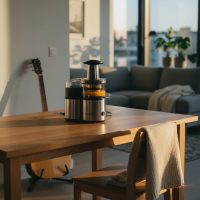
I finally took the plunge and bought a masticating juicer after reading about the nutrient retention benefits. It’s definitely slower than my old centrifugal one, but the quality of the juice, especially from leafy greens like spinach and kale, is just incredible. I’m getting so much more out of my produce now, and the juice tastes richer. Worth every penny for my daily green juice!
I’ve been using my new juicer for a few weeks now, mostly for making fresh orange and grapefruit juice. It handles hard produce really well, and I appreciate how quickly I can get a glass of juice in the morning. I was a bit worried about the pulp, but it’s surprisingly dry, so I feel like I’m getting a good yield. Definitely an upgrade from my old blender!
This guide really helped me understand the difference between the fast and slow juicers. I went with a cold press model, specifically for making celery juice and other vegetable blends. The yield is fantastic, and the juice stays fresh in the fridge for a couple of days without separating too much. It’s a game-changer for my health goals.
I picked up a centrifugal juicer because I needed something fast and affordable for my morning routine. It works great for apples and carrots, and cleanup is pretty quick. My only complaint is that it’s super loud, almost like a jet engine, which isn’t ideal when everyone else is still asleep. Also, I feel like I waste a bit more produce compared to what I’ve heard about cold press.