In a world bustling with complex gadgets and smart kitchen appliances, there’s something undeniably charming and effective about simplicity. That’s precisely where the humble yet mighty fruit juicer manual press shines, offering a straightforward path to fresh, vibrant, and nutrient-packed juice right in your own kitchen. Whether you’re a seasoned health enthusiast or just starting your juicing journey, understanding the ins and outs of a manual press can transform your daily routine, connecting you directly with the essence of natural goodness. Forget the whirring motors and tangled cords; this is about getting back to basics, where every drop of juice is a testament to pure, unadulterated flavor and health.
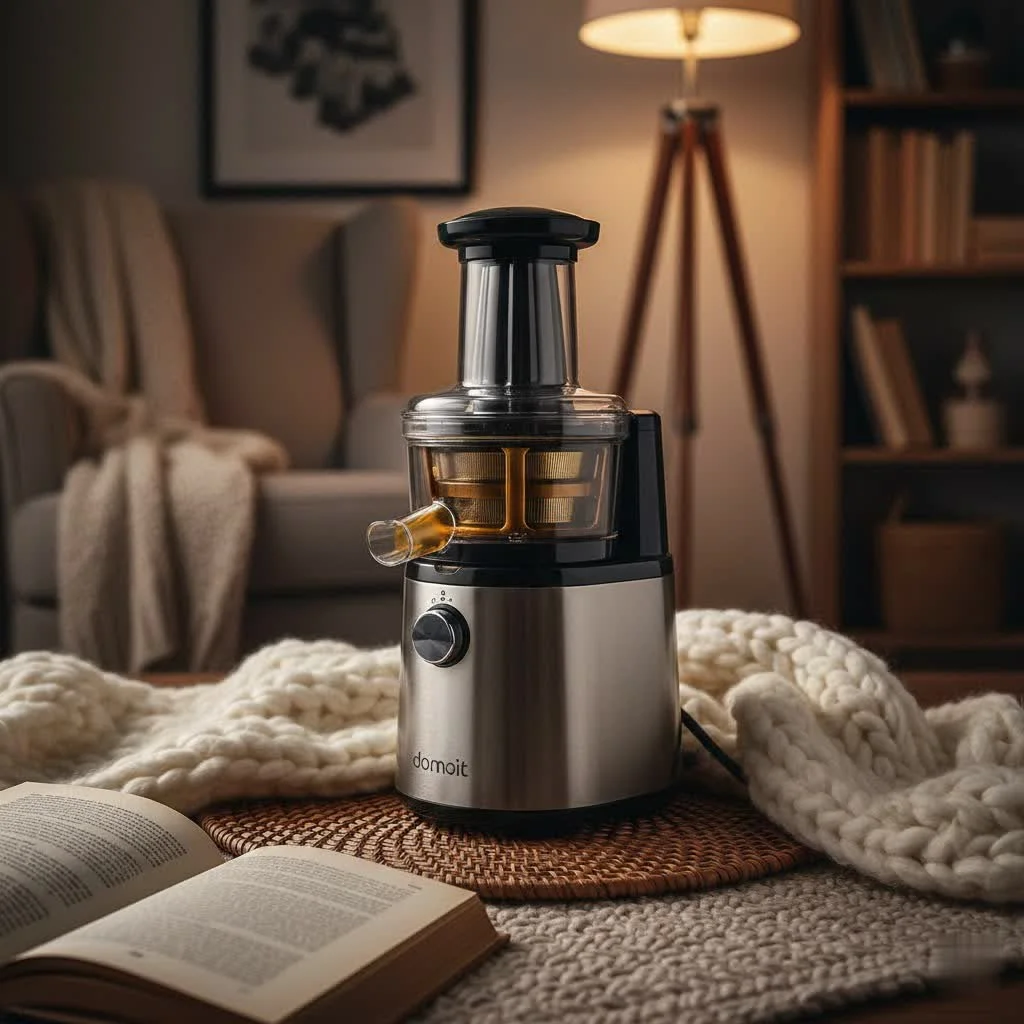
A Journey Through Time: The Enduring Legacy of Manual Juicers
The concept of extracting juice by hand is as old as civilization itself, tracing its roots back to ancient cultures that recognized the revitalizing power of fruit extracts. Long before electricity became a household staple, people were devising ingenious ways to squeeze the goodness out of fruits and vegetables. Early methods involved simple crushing and straining, evolving over centuries into more refined mechanical devices. The modern fruit juicer manual press, while benefiting from advanced materials and ergonomic designs, still embodies this timeless principle: applying focused pressure to release liquid gold. It’s a tool that has stood the test of time, proving its worth across generations and kitchens worldwide, symbolizing a direct and often more mindful connection to our food.
Understanding Your Manual Press: Types and How They Work
When we talk about a fruit juicer manual press, we’re encompassing a few distinct designs, each with its own charm and efficiency. The most common types you’ll encounter are the lever press, the handheld squeezer, and, less frequently for harder fruits, some variations of screw presses or twist presses for pulpier yields.
Lever Press Juicers
These are often the workhorses of the manual juicing world, recognized by their sturdy construction and a long handle that provides significant leverage. You typically place a half-cut fruit, usually a citrus fruit, onto a reamer or a perforated cone, and then pull down the handle. The press arm then pushes a flat plate against the fruit, squeezing out the juice through a sieve into a cup below. They are fantastic for getting every last drop from oranges, grapefruits, lemons, and limes with minimal effort.
Handheld Squeezers
Think of these as the pocket-sized heroes of the manual juicer family. Usually made of metal or sturdy plastic, they consist of two hinged halves into which you place a fruit half. A simple squeeze of the handles brings the halves together, pressing the fruit and forcing the juice through small holes at the bottom. Perfect for a quick lime wedge into a cocktail or a squirt of lemon over a dish, they are incredibly portable and easy to clean.
The Simple Mechanics Behind a Great Glass of Juice
|
Our Picks for the Best Fruit Juicer in 2026
As an Amazon Associate I earn from qualifying purchases.
|
||
| Num | Product | Action |
|---|---|---|
| 1 | Ninja NeverClog Cold Press Juicer, Powerful Slow Juicer with Total Pulp Control, Countertop, Electric, 2 Pulp Functions, Dishwasher Safe, 2nd Generation, Steam Gray, JC151SL |

|
| 2 | Zulay Kitchen Cast Iron Juicer - Easy-to-Clean Heavy-Duty Manual Juicer, Professional Citrus Juicer - Stainless Steel Lemon Squeezer - Manual Citrus Press & Orange Squeezer - Orange Juicer (Black) |
|
| 3 | Ninja NeverClog Cold Press Juicer, Powerful Slow Juicer with Total Pulp Control, Countertop, Electric, 2 Pulp Functions, Dishwasher Safe, 2nd Generation, Charcoal, JC151 |
|
| 4 | Zulay Kitchen Metal 2-in-1 Lemon Squeezer - Sturdy Max Extraction Hand Juicer Lemon Squeezer Gets Every Last Drop - Easy to Clean Manual Citrus Juicer - Easy-Use Lemon Juicer Squeezer - Black/Yellow |
|
| 5 | Zulay Kitchen Metal 2-in-1 Lemon Squeezer - Sturdy Max Extraction Hand Juicer Lemon Squeezer Gets Every Last Drop - Easy to Clean Manual Citrus Juicer - Easy-Use Lemon Juicer Squeezer - Yellow/Red |
|
| 6 | Zulay Kitchen Metal 2-in-1 Lemon Squeezer - Sturdy Max Extraction Hand Juicer Lemon Squeezer Gets Every Last Drop - Easy to Clean Manual Citrus Juicer - Easy-Use Lemon Juicer Squeezer - Black/Red |
|
| 7 | Zulay Kitchen Metal 2-in-1 Lemon Squeezer - Sturdy Max Extraction Hand Juicer Lemon Squeezer Gets Every Last Drop - Easy to Clean Manual Citrus Juicer - Easy-Use Lemon Juicer Squeezer - Blue/Yellow |
|
| 8 | Zulay Kitchen Metal 2-in-1 Lemon Squeezer - Sturdy Max Extraction Hand Juicer Lemon Squeezer Gets Every Last Drop - Easy to Clean Manual Citrus Juicer - Easy-Use Lemon Juicer Squeezer - Red/Yellow |
|
| 9 | Ninja NeverClog Cold Press Juicer, Powerful Slow Juicer with Total Pulp Control, Countertop, Electric, 2 Pulp Functions, Dishwasher Safe, 2nd Generation, Blue/Navy, JC151NV |
|
| 10 | Juicer Machines with 5.8\" Large Feed Chute, Cold Press Juicer for Whole Vegetables and Fruits 400W, Slow Masticating juicer Easy to Clean Juice Extractor Machine High Juice Yield |
|
Regardless of the type, the core principle remains the same: mechanical force. A fruit juicer manual press extracts juice effectively without electricity by relying on direct physical force, compressing the fruit’s pulp against a strainer. This separates the liquid from the solids through sheer mechanical pressure, leaving behind the fibrous pulp. This method is often lauded for producing a cleaner, pulp-free juice, especially with citrus.
Mastering Your Manual Press: A Step-by-Step Guide
Using a fruit juicer manual press is wonderfully straightforward, but a few tips can elevate your experience and ensure maximum yield.
1. Preparation is Key
Start with ripe, fresh fruit. Wash your fruit thoroughly. For citrus and similar fruits, cut them in half crosswise. For smaller fruits, you might only need to quarter them.
2. The Squeeze Technique
Place the fruit cut-side down onto the reamer of a lever press or into the well of a handheld squeezer. For a lever press, firmly but smoothly pull the handle down, applying even pressure. For a handheld model, grasp the handles tightly and squeeze until no more juice comes out. Don’t be afraid to give it a good, firm press – that’s what it’s designed for!
3. Safety First
Always ensure your manual press is stable on a flat surface before use, especially lever models. Keep your fingers clear of moving parts, particularly the hinge points on handheld squeezers and the pressing plate on lever presses.
4. Post-Juicing Care
Immediately after juicing, disassemble your press (if applicable). Rinse all parts under warm running water to prevent pulp from drying and sticking. A small brush can be helpful for removing stubborn residue from sieves. Most manual presses are simple enough that hand washing is quick and efficient, though some parts may be dishwasher safe. Ensure all parts are completely dry before reassembling or storing to prevent mildew or corrosion.
Beyond the Basics: Tips, Tricks, and Juicy Recipes
Getting the most out of your fruit juicer manual press goes beyond just knowing how to operate it.
Selecting the Best Fruits
While great for all citrus, manual presses also excel with pomegranates (you might need a larger, sturdier lever press and some gentle pre-scoring of the fruit) and even soft berries (often best pressed in a cheesecloth bag within the press to contain seeds). Harder fruits and leafy greens are typically not suitable for most manual presses.
Maximizing Juice Yield
How can I get more juice from my citrus fruits using a fruit juicer manual press? Rolling citrus on a countertop with firm pressure before cutting and juicing helps break down the internal membranes, releasing more juice. Warming the fruit slightly, perhaps in the microwave for 10-15 seconds, can also make it softer and easier to extract liquid from.
Simple & Refreshing Recipes
- Sunny Citrus Zest: Combine freshly pressed orange, grapefruit, and a splash of lemon juice. Add a tiny pinch of sea salt to enhance sweetness.
- Lemon-Ginger Kickstart: Press several lemons, then grate a small piece of fresh ginger into the juice. Mix well for a zesty, invigorating shot or a base for a warm drink.
- Pomegranate Power: If using a robust manual press, extract the jewel-toned juice from pomegranates for a tart, antioxidant-rich beverage.
Troubleshooting Common Issues
If your fruit feels too hard to press, try the rolling and warming tricks mentioned above. If you’re not getting much juice, ensure your fruit is ripe – overripe or underripe fruits tend to yield less.
The Goodness Within: Nutritional Power and Health Benefits
Why does fresh juice matter so much? It’s a powerhouse of vitamins, minerals, and enzymes that are often lost or diminished in processed alternatives. Juicing with a fruit juicer manual press means you’re consuming these vital nutrients in their most bioavailable form, directly from the source.
Compared to some electric juicers, particularly centrifugal models which can introduce heat and oxidation, a manual press often minimizes heat exposure, potentially preserving more delicate enzymes and vitamins. This gentle extraction method means your body receives a concentrated dose of goodness, helping to boost immunity, aid digestion, and provide a quick energy lift without the need for added sugars or artificial ingredients. It’s a simple, delicious way to increase your daily intake of fruits and their incredible health benefits.
Savoring Your Creation: Enjoyment and Lifestyle Integration
Juicing with a manual press is more than just making a drink; it’s an experience. It encourages a mindful connection to your food, an appreciation for the process, and the simple joy of creating something pure and healthy with your own hands.
Incorporate fresh juice into your daily routine by starting your day with a glass of revitalizing orange juice, or enjoy a refreshing lemon-lime spritzer as an afternoon pick-me-up. Freshly pressed juice can also be a fantastic base for smoothies, mocktails, or even used in cooking and baking to add natural flavor. It’s about making healthy choices easy and enjoyable, seamlessly blending into a vibrant, health-conscious lifestyle.
Expert Insight: The Ebybk Pro Perspective
“The beauty of the fruit juicer manual press lies in its ability to empower individuals to take control of their nutrition with minimal fuss,” says Dr. Anya Sharma, Nutritional Scientist. “It’s a testament to how simple tools can deliver profound health benefits, offering a direct, unadulterated dose of nature’s best without the complexities of modern machinery. For pure, nutrient-dense juice, the manual press is often an overlooked, yet incredibly effective, choice.”
Frequently Asked Questions (FAQ)
Q: Is a fruit juicer manual press difficult to use for everyone?
A: Not at all! While some manual effort is required, lever press models provide excellent leverage, making them quite easy to operate for most adults. Handheld squeezers require more direct hand strength but are still generally manageable for quick tasks.
Q: Can I juice leafy greens with a fruit juicer manual press?
A: Generally, no. Most traditional fruit juicer manual press designs are not equipped to extract juice efficiently from fibrous leafy greens like kale or spinach. For greens, you would typically need a masticating (slow) electric juicer.
Q: How long does freshly pressed juice last?
A: For optimal nutritional value and taste, freshly pressed juice is best consumed immediately. If stored in an airtight container in the refrigerator, it can last for up to 24-48 hours, though some nutrient degradation may occur over time.
Q: What materials are best for a durable manual juicer?
A: Stainless steel and heavy-duty cast iron are excellent choices for durability and longevity. These materials are robust, rust-resistant, and easy to clean, ensuring your fruit juicer manual press will stand up to years of use.
Q: Are manual juicers better for nutrient retention than electric ones?
A: Manual juicers often excel in nutrient retention compared to high-speed centrifugal electric juicers because they generate less heat and oxidation during the extraction process. However, slow masticating juicers are also very good at preserving nutrients.
Conclusion
The fruit juicer manual press is a testament to the idea that sometimes, the simplest tools yield the most satisfying results. It’s a gateway to enjoying fresh, homemade juice bursting with flavor and vital nutrients, all without the need for electricity or complex operation. From its ancient origins to its modern-day convenience, the manual press offers a direct, hands-on approach to wellness that is both rewarding and incredibly effective. So, embrace the power of the press, experiment with your favorite fruits, and discover the pure, refreshing taste of health that only a fruit juicer manual press can deliver. Your body and your taste buds will thank you for it.
Cooking gear we tested in our own kitchens
Free PDF — preheat times measured on 10 popular air fryers.