Freshly squeezed juice offers a burst of vitamins and flavor, but traditional juicers can often be bulky, demanding precious counter space. For those with compact kitchens, limited storage, or simply seeking efficiency, a small fruit juicer presents an ideal solution. These miniature powerhouses are designed to deliver all the benefits of juicing without the large footprint.
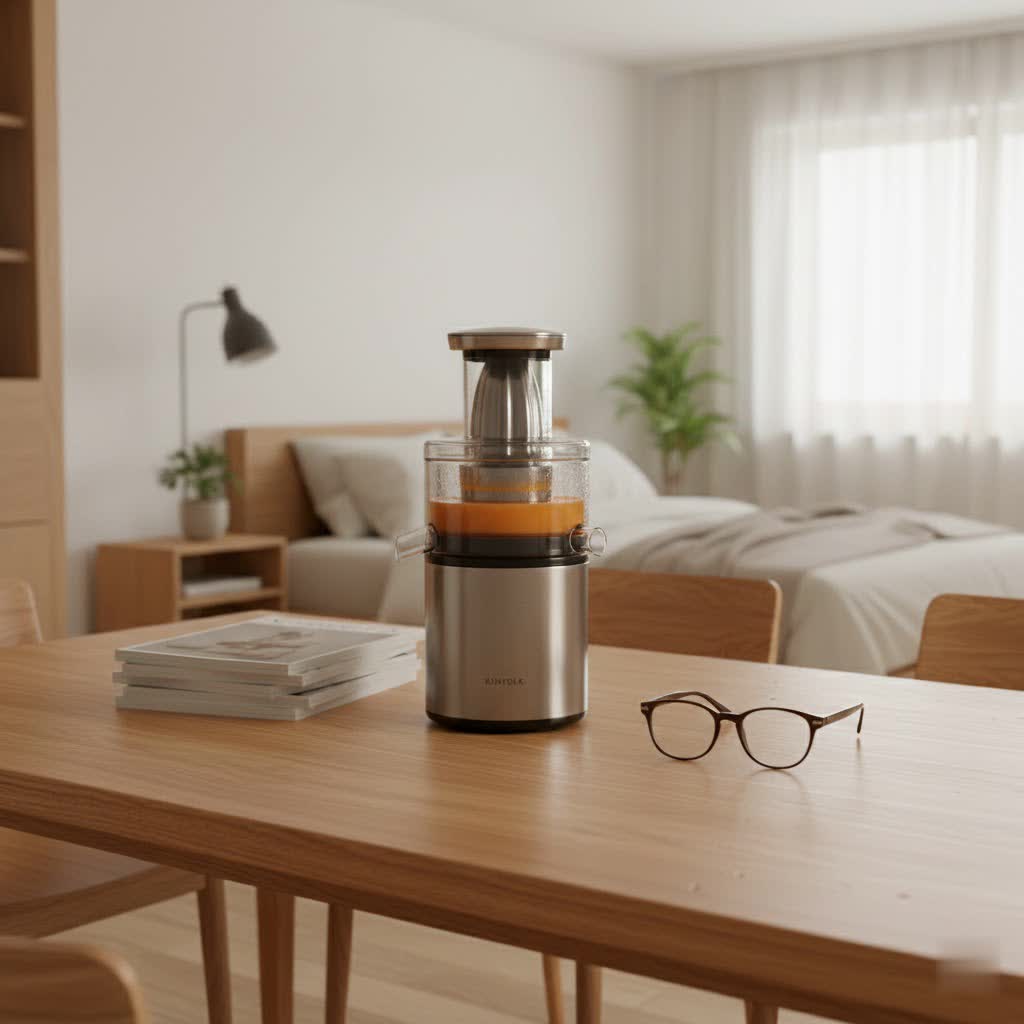
Why Choose a Small Fruit Juicer?
The appeal of a compact juicer extends beyond its size. Here are some compelling reasons why these appliances are gaining popularity:
- Space-Saving Design: This is the primary advantage. Small juicers fit comfortably on crowded countertops and tuck away easily into cabinets, making them perfect for apartments, dorm rooms, or RVs.
- Ease of Use and Cleanup: Many compact models are designed with simplicity in mind, featuring fewer parts for straightforward assembly and disassembly. Dishwasher-safe components are common, transforming cleanup from a chore into a quick rinse.
- Portability: Their lightweight and compact nature means you can easily move them around the kitchen or even take them with you on trips.
- Efficiency for Individual or Small Family Needs: If you’re typically making juice for one or two people, a small juicer is perfectly sized, preventing waste and making the process quicker.
- Affordability: Generally, smaller juicers come with a more budget-friendly price tag compared to their larger counterparts, making fresh juice accessible to more people.
Types of Small Juicers
Just like their full-sized relatives, small juicers come in different types, each with unique characteristics:
Centrifugal Juicers
These are the speed demons of the juicing world. Centrifugal juicers use a fast-spinning blade to shred produce, then separate the juice from the pulp using centrifugal force.
- Pros: Fast juicing, often more affordable, handle harder fruits and vegetables well, generally require less pre-chopping due to wider feed chutes.
- Cons: Can be noisy, the high-speed action can introduce heat and oxidation, potentially reducing nutrient content and creating more foam.
|
Our Picks for the Best Fruit Juicer in 2026
As an Amazon Associate I earn from qualifying purchases.
|
||
| Num | Product | Action |
|---|---|---|
| 1 | Zulay Kitchen Metal 2-in-1 Lemon Squeezer - Sturdy Max Extraction Hand Juicer Lemon Squeezer Gets Every Last Drop - Easy to Clean Manual Citrus Juicer - Easy-Use Lemon Juicer Squeezer - Yellow/Red |

|
| 2 | Zulay Kitchen Cast Iron Juicer - Easy-to-Clean Heavy-Duty Manual Juicer, Professional Citrus Juicer - Stainless Steel Lemon Squeezer - Manual Citrus Press & Orange Squeezer - Orange Juicer (Black) |
|
| 3 | Zulay Kitchen Metal 2-in-1 Lemon Squeezer - Sturdy Max Extraction Hand Juicer Lemon Squeezer Gets Every Last Drop - Easy to Clean Manual Citrus Juicer - Easy-Use Lemon Juicer Squeezer - Blue/Yellow |
|
| 4 | Zulay Kitchen Metal 2-in-1 Lemon Squeezer - Sturdy Max Extraction Hand Juicer Lemon Squeezer Gets Every Last Drop - Easy to Clean Manual Citrus Juicer - Easy-Use Lemon Juicer Squeezer - Black/Red |
|
| 5 | Zulay Kitchen Metal 2-in-1 Lemon Squeezer - Sturdy Max Extraction Hand Juicer Lemon Squeezer Gets Every Last Drop - Easy to Clean Manual Citrus Juicer - Easy-Use Lemon Juicer Squeezer - Red/Yellow |
|
| 6 | Ninja NeverClog Cold Press Juicer, Powerful Slow Juicer with Total Pulp Control, Countertop, Electric, 2 Pulp Functions, Dishwasher Safe, 2nd Generation, Blue/Navy, JC151NV |
|
| 7 | Ninja NeverClog Cold Press Juicer, Powerful Slow Juicer with Total Pulp Control, Countertop, Electric, 2 Pulp Functions, Dishwasher Safe, 2nd Generation, Charcoal, JC151 |
|
| 8 | Juicer Machines with 5.8\" Large Feed Chute, Cold Press Juicer for Whole Vegetables and Fruits 400W, Slow Masticating juicer Easy to Clean Juice Extractor Machine High Juice Yield |
|
| 9 | Ninja NeverClog Cold Press Juicer, Powerful Slow Juicer with Total Pulp Control, Countertop, Electric, 2 Pulp Functions, Dishwasher Safe, 2nd Generation, Steam Gray, JC151SL |
|
| 10 | Zulay Kitchen Metal 2-in-1 Lemon Squeezer - Sturdy Max Extraction Hand Juicer Lemon Squeezer Gets Every Last Drop - Easy to Clean Manual Citrus Juicer - Easy-Use Lemon Juicer Squeezer - Black/Yellow |
|
Masticating (Cold Press) Juicers
Also known as slow juicers, masticating models gently crush and press fruits and vegetables to extract juice. This slower process minimizes heat and oxidation.
- Pros: Preserves more nutrients and enzymes, produces less foam, yields higher quality and often longer-lasting juice, excels with leafy greens and fibrous produce, typically quieter operation.
- Cons: Slower juicing process, generally more expensive, may require more pre-chopping of ingredients due to narrower feed chutes.
Citrus Juicers
For those who primarily enjoy orange, lemon, lime, or grapefruit juice, a dedicated citrus juicer is the most compact and efficient option.
- Pros: Extremely compact, very affordable, simple to use and clean, designed specifically for citrus fruits, often quiet.
- Cons: Limited to citrus fruits only.
Key Features to Consider When Buying a Small Juicer
When selecting your ideal small fruit juicer, keep these features in mind:
- Footprint and Design: Measure your available counter and storage space. Look for sleek designs that complement your kitchen aesthetics.
- Ease of Cleaning: Prioritize models with removable, dishwasher-safe parts. Look for included cleaning brushes to tackle fine mesh screens.
- Feed Chute Size: A wider feed chute means less time spent pre-chopping your fruits and vegetables.
- Motor Power (for Centrifugal) and Speed (for Masticating): For centrifugal juicers, higher wattage often means more power. For masticating juicers, lower RPMs (revolutions per minute) indicate a slower, more nutrient-preserving process.
- Pulp Container: Some small juicers integrate the pulp container within the unit for a more compact design, while others have external ones. Consider the capacity based on how much juice you plan to make.
- Noise Level: Masticating juicers are generally quieter than centrifugal models, which can be a significant factor for early morning juicers.
- Material: Stainless steel components often indicate greater durability and easier cleaning than all-plastic designs.
A small fruit juicer is a fantastic addition to any kitchen, enabling you to enjoy fresh, healthy beverages without sacrificing space or convenience. By considering your juicing habits and prioritizing key features, you can easily find a compact model that perfectly suits your lifestyle.
