Embracing a healthier lifestyle often begins with what we consume. In a world bustling with processed foods, fresh fruit and vegetable juices stand out as a beacon of concentrated nutrition, offering a convenient way to integrate vital vitamins, minerals, and enzymes into your daily diet. A fruit and vegetable juicer is more than just a kitchen appliance; it’s a gateway to enhanced well-being, helping you harness the raw power of nature’s bounty.
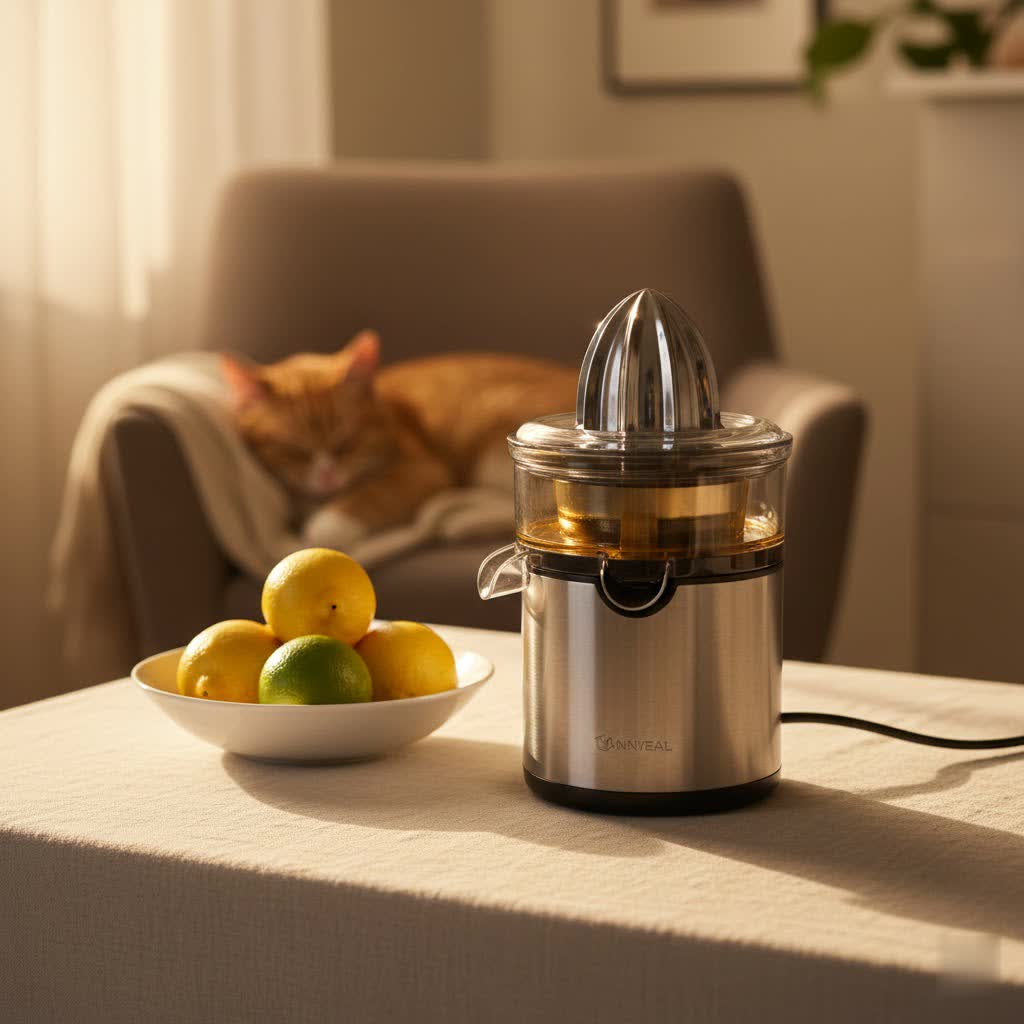
The Power of Fresh Juice: Health Benefits You Can Sip
Incorporating fresh juices into your routine offers a myriad of health advantages:
- Nutrient Boost: Juicing extracts a concentrated dose of vitamins, minerals, and antioxidants from fruits and vegetables, making these essential nutrients more readily available for your body to absorb.
- Enhanced Hydration: Fresh juices, particularly those with high water content, contribute significantly to your daily hydration needs, supporting overall bodily functions.
- Digestive and Detox Support: The concentrated nutrients can aid the body’s natural detoxification processes and may improve digestion, especially if you have a compromised digestive system that struggles with fibrous foods.
- Increased Energy Levels: The quick absorption of natural sugars, vitamins, and minerals from fresh juices can provide a noticeable boost in energy.
- Simplified Produce Intake: For many, meeting the daily recommended servings of fruits and vegetables can be a challenge. Juicing offers an easy and enjoyable method to significantly increase your intake, ensuring you don’t miss out on crucial dietary components.
It’s important to remember that while juicing is highly beneficial, it ideally complements a diet rich in whole fruits and vegetables, as juicing typically removes much of the dietary fiber.
Navigating the World of Juicers: Types and Their Differences
The market offers a variety of fruit and vegetable juicers, each with its unique mechanism and advantages. Understanding these differences is key to choosing the right machine for your needs.
Centrifugal Juicers
These are often the most common and budget-friendly juicers. They operate by shredding produce with a high-speed blade and then using centrifugal force to separate the juice from the pulp.
- Pros: Fast operation, generally more affordable, and effective for harder fruits and vegetables. Many feature wide feed chutes, reducing prep time.
- Cons: The high speed generates heat, which can lead to oxidation and a potential loss of some heat-sensitive nutrients and enzymes. They tend to be louder, produce more foam, and are less efficient with leafy greens. The juice also has a shorter shelf life due to oxidation.
|
Our Picks for the Best Fruit Juicer in 2026
As an Amazon Associate I earn from qualifying purchases.
|
||
| Num | Product | Action |
|---|---|---|
| 1 | Zulay Kitchen Metal 2-in-1 Lemon Squeezer - Sturdy Max Extraction Hand Juicer Lemon Squeezer Gets Every Last Drop - Easy to Clean Manual Citrus Juicer - Easy-Use Lemon Juicer Squeezer - Red/Yellow |

|
| 2 | Juicer Machines with 5.8\" Large Feed Chute, Cold Press Juicer for Whole Vegetables and Fruits 400W, Slow Masticating juicer Easy to Clean Juice Extractor Machine High Juice Yield |
|
| 3 | Zulay Kitchen Metal 2-in-1 Lemon Squeezer - Sturdy Max Extraction Hand Juicer Lemon Squeezer Gets Every Last Drop - Easy to Clean Manual Citrus Juicer - Easy-Use Lemon Juicer Squeezer - Yellow/Red |
|
| 4 | Zulay Kitchen Metal 2-in-1 Lemon Squeezer - Sturdy Max Extraction Hand Juicer Lemon Squeezer Gets Every Last Drop - Easy to Clean Manual Citrus Juicer - Easy-Use Lemon Juicer Squeezer - Black/Yellow |
|
| 5 | Ninja NeverClog Cold Press Juicer, Powerful Slow Juicer with Total Pulp Control, Countertop, Electric, 2 Pulp Functions, Dishwasher Safe, 2nd Generation, Charcoal, JC151 |
|
| 6 | Ninja NeverClog Cold Press Juicer, Powerful Slow Juicer with Total Pulp Control, Countertop, Electric, 2 Pulp Functions, Dishwasher Safe, 2nd Generation, Blue/Navy, JC151NV |
|
| 7 | Zulay Kitchen Metal 2-in-1 Lemon Squeezer - Sturdy Max Extraction Hand Juicer Lemon Squeezer Gets Every Last Drop - Easy to Clean Manual Citrus Juicer - Easy-Use Lemon Juicer Squeezer - Blue/Yellow |
|
| 8 | Ninja NeverClog Cold Press Juicer, Powerful Slow Juicer with Total Pulp Control, Countertop, Electric, 2 Pulp Functions, Dishwasher Safe, 2nd Generation, Steam Gray, JC151SL |
|
| 9 | Zulay Kitchen Metal 2-in-1 Lemon Squeezer - Sturdy Max Extraction Hand Juicer Lemon Squeezer Gets Every Last Drop - Easy to Clean Manual Citrus Juicer - Easy-Use Lemon Juicer Squeezer - Black/Red |
|
| 10 | Zulay Kitchen Cast Iron Juicer - Easy-to-Clean Heavy-Duty Manual Juicer, Professional Citrus Juicer - Stainless Steel Lemon Squeezer - Manual Citrus Press & Orange Squeezer - Orange Juicer (Black) |
|
Masticating (Slow or Cold Press) Juicers
Masticating juicers, often referred to as slow juicers or cold press juicers, work by slowly crushing and pressing fruits and vegetables, mimicking a chewing motion. An auger grinds the produce against a screen, extracting juice with minimal heat.
- Pros: Superior nutrient retention due to low heat and minimal oxidation, excellent for leafy greens, higher juice yield, and drier pulp (indicating maximum extraction). The juice produced typically has a longer shelf life and less foam. They also operate more quietly than centrifugal models.
- Cons: Slower operation, often a higher upfront cost, and some models may have narrower feed chutes requiring more pre-cutting.
Twin Gear (Triturating) Juicers
These are a specialized type of masticating juicer, utilizing two interlocking gears to crush and press produce. They offer an even more thorough extraction.
- Pros: Often considered the pinnacle of juice quality and nutrient preservation, yielding very dry pulp and exceptionally rich juice.
- Cons: Generally the most expensive, slowest, and can be more complex to clean.
Manual Juicers
While not suitable for all fruits and vegetables, manual juicers are perfect for citrus fruits. They involve a simple pressing action to extract juice.
- Pros: Affordable, compact, and ideal for small quantities of citrus juice.
- Cons: Limited versatility, labor-intensive for larger quantities, and only suitable for soft, juicy fruits.
Choosing Your Ideal Juicing Companion
Selecting the perfect fruit and vegetable juicer involves considering your personal juicing habits and priorities:
- Budget: Centrifugal juicers offer an entry-level option, while masticating and twin gear models represent a greater investment in juice quality and nutrient preservation.
- Produce Preference: If leafy greens are a staple in your juicing regimen, a masticating or twin gear juicer will provide superior results. For harder produce and speed, a good centrifugal juicer might suffice.
- Time Commitment: Centrifugal juicers are faster for a quick drink, whereas masticating juicers require more patience but deliver a higher quality, more nutrient-dense juice.
- Ease of Cleaning: This is a crucial factor for consistent use. Look for models with fewer parts or dishwasher-safe components.
- Noise Level: For early morning juicers or households sensitive to noise, a quieter masticating juicer is often preferred.
- Countertop Space: Consider the footprint of the appliance if kitchen space is a concern.
Ultimately, a fruit and vegetable juicer is a powerful tool for anyone looking to effortlessly enhance their nutritional intake and embrace a more vibrant, healthy lifestyle. By understanding the types available and aligning them with your personal needs, you can find the perfect juicing partner to start your journey towards better health.
