Fruit press juicers, particularly cold press (masticating) models, extract nutrient-dense juice by slowly crushing produce, minimizing heat and oxidation to preserve vital enzymes, vitamins, and antioxidants. This method yields superior juice quality, enhanced digestion, and extended freshness for up to 72 hours when stored properly.
What is a Fruit Press Juicer? Understanding the Types
The term “fruit press juicer” broadly encompasses several mechanisms designed to extract liquid from produce. While all aim for fresh juice, their methods and results can vary significantly.
The Rise of Cold Press (Masticating) Juicers
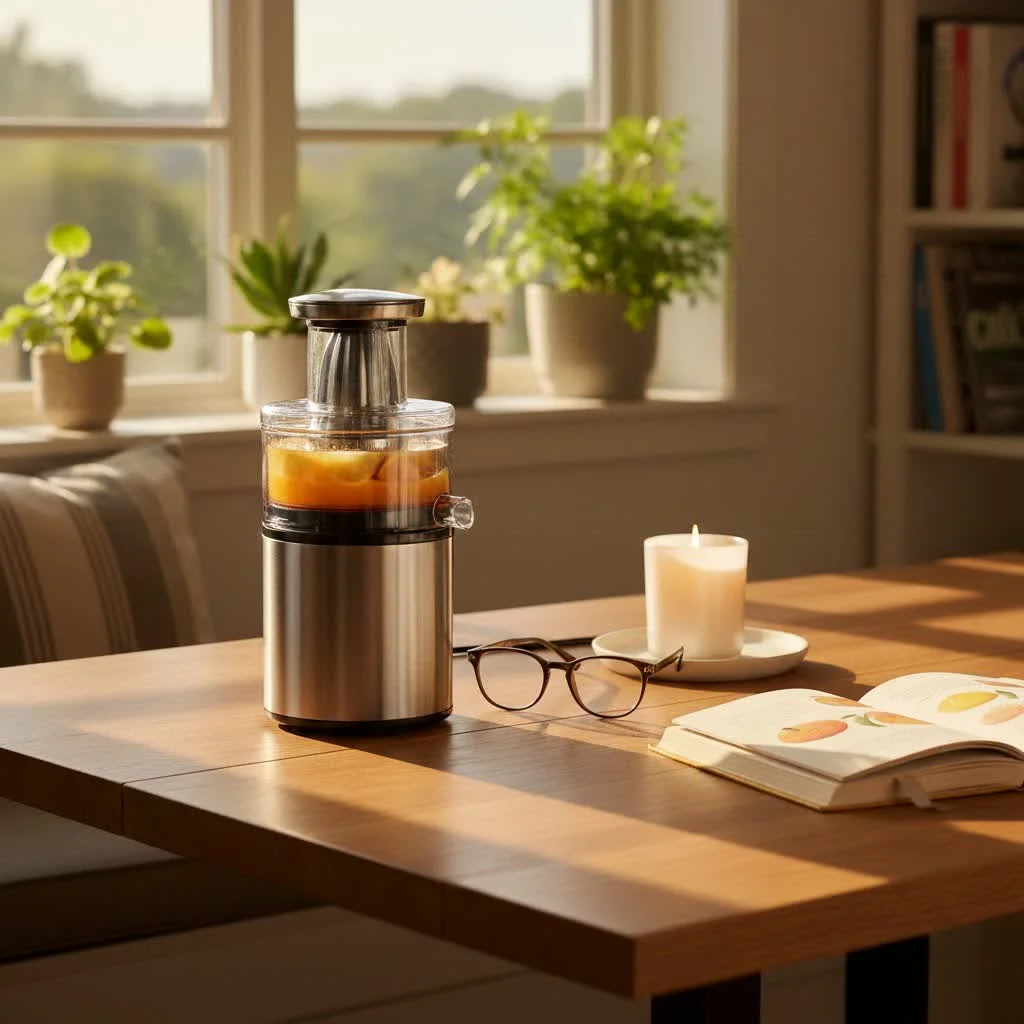
Often synonymous with the modern “fruit press juicer,” cold press juicers—also known as masticating or slow juicers—operate on a principle of gentle, slow extraction. Instead of rapidly spinning blades, an auger (a large screw-like component) slowly crushes and presses fruits and vegetables against a screen. This deliberate action minimizes heat buildup and oxidation, preserving vital enzymes, vitamins, and antioxidants that are often degraded by high-speed juicing. The result is a richer, more vibrant juice with less foam and a longer shelf life. These juicers are particularly effective for leafy greens, fibrous vegetables, and a wide variety of fruits, yielding a high amount of juice with drier pulp.
Manual Fruit Presses for Citrus
For those who cherish a simple glass of freshly squeezed orange juice or need lemon and lime juice for recipes, manual fruit presses are ideal. These handheld or countertop devices use leverage and direct pressure to extract juice from citrus halves. They are straightforward, quiet, and perfect for quick tasks or smaller batches.
Traditional Large Fruit Presses
While less common for daily kitchen use, large traditional fruit presses (like those used for cider making) employ a screw mechanism or hydraulic pressure to process vast quantities of crushed fruit. These are typically for seasonal harvesting and larger-scale juice production.
Why Choose a Fruit Press Juicer? Unveiling the Benefits
The advantages of integrating a high-quality fruit press juicer into your routine extend beyond just convenience, significantly impacting the nutritional value and sensory experience of your juice.
- Maximized Nutrient Preservation: The defining benefit of cold press juicers is their ability to minimize heat and oxidation during extraction. This gentle process safeguards delicate vitamins (like A and C), enzymes, and antioxidants, ensuring your juice is packed with the living nutrients your body craves.
- Superior Juice Quality and Flavor: With less heat and oxidation, the natural flavors, vibrant colors, and smooth textures of fruits and vegetables are beautifully preserved. You’ll experience a purer taste, often with less pulp and foam compared to other juicing methods.
- Enhanced Digestion and Absorption: Cold-pressed juice is typically pulp-free, making it easy on the digestive system. This allows your body to quickly absorb the concentrated nutrients, delivering a rapid boost of vitamins and minerals.
- Boosted Immunity and Energy: Flooding your system with a potent dose of vitamins, minerals, and phytonutrients supports a robust immune system. The natural sugars from fruits, delivered without a caffeine crash, provide sustained energy throughout your day. Many find improved skin radiance as well, thanks to the high antioxidant content.
- Extended Freshness: Because oxidation is reduced, cold-pressed juice maintains its freshness and nutritional integrity for a longer period, often up to 72 hours when properly stored in an airtight container.
- Versatility for Various Produce: Cold press juicers excel at handling a diverse range of ingredients, from hard root vegetables and crunchy apples to delicate leafy greens and fibrous celery, allowing for endless recipe creativity. Many models also come with attachments for making sorbets, nut milks, and more.
- Quiet Operation: Compared to their high-speed centrifugal counterparts, most cold press juicers operate at a significantly lower noise level, making morning juicing a more peaceful experience.
How to Use Your Fruit Press Juicer for Best Results
|
Our Picks for the Best Fruit Juicer in 2026
As an Amazon Associate I earn from qualifying purchases.
|
||
| Num | Product | Action |
|---|---|---|
| 1 | Ninja NeverClog Cold Press Juicer, Powerful Slow Juicer with Total Pulp Control, Countertop, Electric, 2 Pulp Functions, Dishwasher Safe, 2nd Generation, Steam Gray, JC151SL |

|
| 2 | Zulay Kitchen Metal 2-in-1 Lemon Squeezer - Sturdy Max Extraction Hand Juicer Lemon Squeezer Gets Every Last Drop - Easy to Clean Manual Citrus Juicer - Easy-Use Lemon Juicer Squeezer - Blue/Yellow |
|
| 3 | Ninja NeverClog Cold Press Juicer, Powerful Slow Juicer with Total Pulp Control, Countertop, Electric, 2 Pulp Functions, Dishwasher Safe, 2nd Generation, Charcoal, JC151 |
|
| 4 | Ninja NeverClog Cold Press Juicer, Powerful Slow Juicer with Total Pulp Control, Countertop, Electric, 2 Pulp Functions, Dishwasher Safe, 2nd Generation, Blue/Navy, JC151NV |
|
| 5 | Zulay Kitchen Metal 2-in-1 Lemon Squeezer - Sturdy Max Extraction Hand Juicer Lemon Squeezer Gets Every Last Drop - Easy to Clean Manual Citrus Juicer - Easy-Use Lemon Juicer Squeezer - Red/Yellow |
|
| 6 | Zulay Kitchen Metal 2-in-1 Lemon Squeezer - Sturdy Max Extraction Hand Juicer Lemon Squeezer Gets Every Last Drop - Easy to Clean Manual Citrus Juicer - Easy-Use Lemon Juicer Squeezer - Black/Red |
|
| 7 | Zulay Kitchen Cast Iron Juicer - Easy-to-Clean Heavy-Duty Manual Juicer, Professional Citrus Juicer - Stainless Steel Lemon Squeezer - Manual Citrus Press & Orange Squeezer - Orange Juicer (Black) |
|
| 8 | Zulay Kitchen Metal 2-in-1 Lemon Squeezer - Sturdy Max Extraction Hand Juicer Lemon Squeezer Gets Every Last Drop - Easy to Clean Manual Citrus Juicer - Easy-Use Lemon Juicer Squeezer - Black/Yellow |
|
| 9 | Juicer Machines with 5.8\" Large Feed Chute, Cold Press Juicer for Whole Vegetables and Fruits 400W, Slow Masticating juicer Easy to Clean Juice Extractor Machine High Juice Yield |
|
| 10 | Zulay Kitchen Metal 2-in-1 Lemon Squeezer - Sturdy Max Extraction Hand Juicer Lemon Squeezer Gets Every Last Drop - Easy to Clean Manual Citrus Juicer - Easy-Use Lemon Juicer Squeezer - Yellow/Red |
|
Getting the most out of your fruit press juicer involves a few simple steps, from preparation to cleanup.
- Prepare Your Produce: Always wash fruits and vegetables thoroughly. For cold press juicers, chop larger items into pieces that fit the feed chute. Remove thick peels (e.g., citrus, pineapple, kiwi) and pits, but often the skins of apples, carrots, and other items can be left on for added nutrients. For manual citrus presses, rolling the fruit on a countertop before cutting can help release more juice.
- Assemble and Position: Ensure your juicer is correctly assembled according to the manufacturer’s instructions. Place a suitable container beneath the juice spout to catch the fresh liquid.
- Juice with Care: For cold press juicers, feed ingredients slowly. For optimal extraction, alternate between softer, juicier items and harder, fibrous produce. If your juicer has variable speeds, use lower speeds for softer items and higher speeds for denser ones. For manual presses, place the cut side of the citrus down and apply firm, steady pressure.
- Enjoy or Store: Drink your fresh juice immediately to maximize nutrient intake, or store it in an airtight container in the refrigerator for up to three days.
- Clean Promptly: Disassemble your juicer and rinse all parts immediately after use. Many cold press juicers feature “easy clean” designs, with some components being dishwasher-safe. Prompt cleaning prevents pulp from drying and becoming difficult to remove.
Choosing the Right Fruit Press Juicer
With a variety of models available, selecting the perfect fruit press juicer depends on your specific needs and juicing habits. Consider factors such as:
- Type of Produce: Are you mostly juicing citrus, or do you want to explore greens, roots, and soft fruits?
- Frequency of Use: Daily juicers might prioritize ease of cleaning and durability.
- Budget: Prices vary, with premium cold press models offering advanced features and robust construction.
- Counter Space: Vertical cold press juicers typically have a smaller footprint.
- Features: Look for wide feed chutes (to minimize pre-cutting), included attachments (for sorbets or nut butter), noise levels, and warranty.
Investing in a fruit press juicer is an investment in your health and well-being. By understanding their unique advantages and how to use them effectively, you can unlock a world of fresh, delicious, and highly nutritious beverages right in your own kitchen.
Frequently Asked Questions
What is the main difference between a cold press and a centrifugal juicer?
The main difference is the extraction method. Cold press juicers use a slow auger to crush and press produce, minimizing heat and oxidation, while centrifugal juicers use high-speed spinning blades, which can generate heat and degrade nutrients. Cold press models preserve more enzymes and vitamins.
How long does cold-pressed juice stay fresh after making it?
Cold-pressed juice maintains its freshness and nutritional integrity for up to 72 hours when properly stored in an airtight container in the refrigerator. This extended shelf life is due to the reduced oxidation during the slow juicing process.
Can fruit press juicers handle leafy greens and fibrous vegetables?
Yes, cold press (masticating) fruit juicers are particularly effective at handling a diverse range of ingredients, including delicate leafy greens like spinach and kale, and fibrous vegetables such as celery. They extract a high amount of juice with very dry pulp.
What are the key benefits of using a fruit press juicer for health?
Using a fruit press juicer offers several health benefits, including maximized nutrient preservation (vitamins A and C, enzymes), enhanced digestion and absorption due to pulp-free juice, and boosted immunity and energy from concentrated vitamins and minerals. Many users also report improved skin radiance.
Are manual fruit presses suitable for all types of fruits?
Manual fruit presses are primarily designed for citrus fruits like oranges, lemons, and limes. They use direct pressure to extract juice from halves. For other types of fruits and vegetables, especially harder or fibrous ones, a cold press juicer is more appropriate.
How to Use Your Fruit Press Juicer for Best Results
Follow these steps to effectively use your fruit press juicer, from preparing produce to cleaning, ensuring you get the most nutritious and delicious juice.
Thoroughly wash all fruits and vegetables. For cold press juicers, chop larger items to fit the feed chute and remove thick peels or pits. For manual citrus presses, roll the fruit on a countertop before cutting to maximize juice yield.
Correctly assemble your juicer according to the manufacturer's instructions. Place a suitable container directly beneath the juice spout to collect the fresh liquid as it is extracted.
Feed ingredients slowly into cold press juicers, alternating between soft and hard produce for optimal extraction. For manual presses, apply firm, steady pressure to the cut citrus halves. Use lower speeds for softer items if your juicer has variable settings.
Drink your fresh juice immediately to benefit from maximum nutrient intake. Alternatively, store it in an airtight container in the refrigerator for up to three days to maintain its freshness and nutritional value.
Disassemble your juicer and rinse all parts immediately after use to prevent pulp from drying and becoming difficult to remove. Many cold press juicers feature easy-clean designs, and some components may be dishwasher-safe.
Cooking gear we tested in our own kitchens
Free PDF — preheat times measured on 10 popular air fryers.

I’ve been using a masticating juicer for a few weeks now, and while the juice quality is great and I love that it preserves enzymes, cleaning it can be a bit of a hassle. There are a lot of small parts to rinse, especially after making something pulpy like pineapple juice. It’s not a deal-breaker, but it does add a few extra minutes to my routine.
I was skeptical about the ‘extended freshness’ claim, but my homemade orange juice really does stay good for almost 72 hours in an airtight container. It’s so convenient to make a big batch and have it ready for a few days. The slow crushing method really seems to make a difference in the taste too, much less foamy than my old centrifugal one.
I finally took the plunge and got a cold press juicer after reading about how much better they are for nutrient retention. I’ve been making a lot of apple and ginger juice, and the flavor is incredible. Plus, it really does last longer in the fridge, which is a huge time-saver for my busy mornings. Definitely worth the investment for the quality.
My digestion has improved so much since I started incorporating fresh, cold-pressed juices into my diet. I mostly use it for green juices with kale and cucumber, but I’ve also tried some berry blends. The auger system really gets every last drop out, and I appreciate knowing I’m getting all those vital vitamins and antioxidants without the heat and oxidation.