Stepping into the world of fresh juice is like unlocking a secret garden of vibrant flavors and incredible health benefits. It’s a journey many embark on to boost their wellness, enhance their diet, and simply enjoy delicious, natural beverages. But with so many options on the market, how do you find the best fruit juicer for your kitchen? Don’t worry, we’re here to help you navigate this exciting landscape, transforming your juicing aspirations into daily reality.
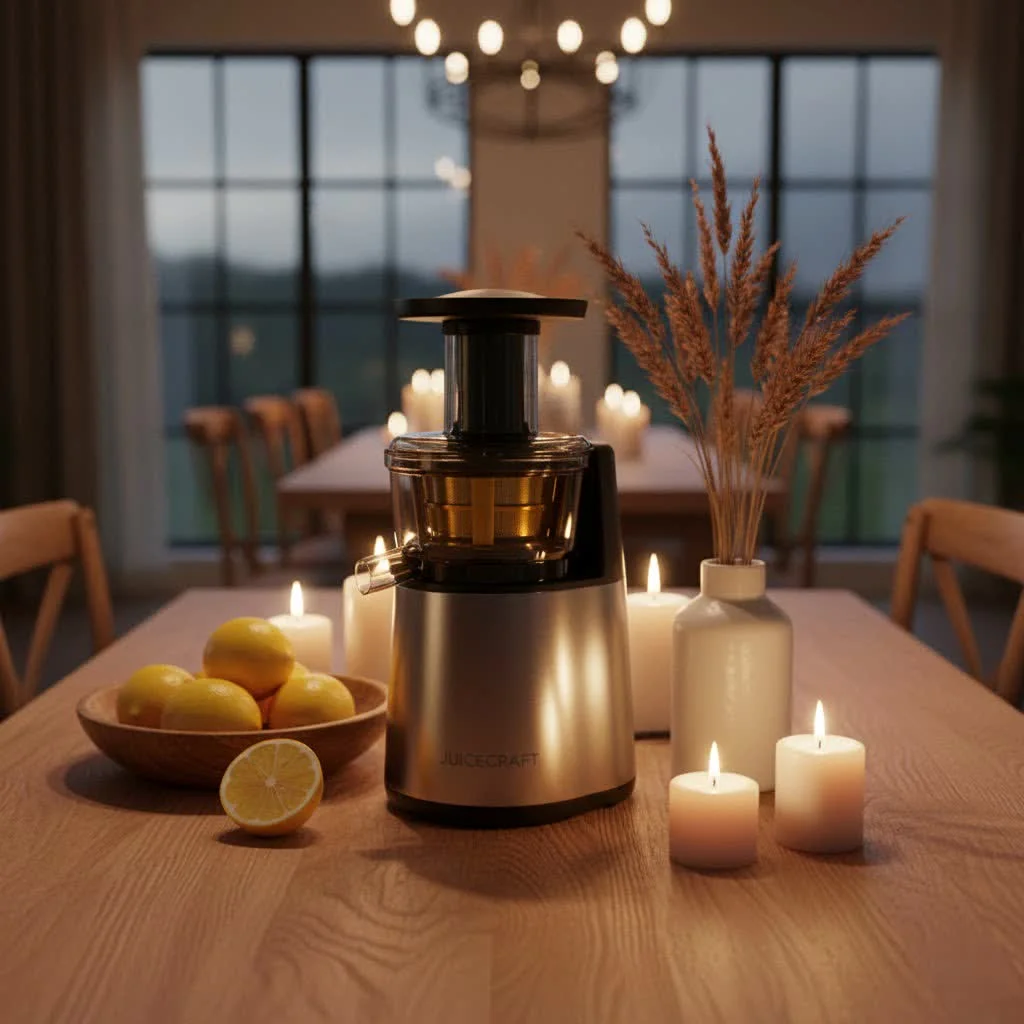
Juicers have evolved significantly from rudimentary manual presses used centuries ago. Early methods were often labor-intensive, relying on simple squeezing to extract liquid. The advent of electricity brought about mechanical marvels, making fresh juice accessible to more households. Today’s juicers are sophisticated appliances, designed with efficiency, nutrient preservation, and user convenience in mind, offering a spectrum of technologies to suit every lifestyle. For browse all home articles on this site.
Understanding the Different Types of Fruit Juicers
Choosing the best fruit juicer starts with understanding the main types available and how they operate. Each design offers a unique juicing experience, with distinct advantages and considerations.
Centrifugal Juicers: Speed and Simplicity
Centrifugal juicers are often the first stop for many juicing beginners. They operate by shredding fruits and vegetables with a high-speed spinning blade. The shredded pulp is then flung against a mesh filter by centrifugal force, separating the juice from the fiber.
- Pros: They are notably fast, making a glass of juice in mere seconds, which is perfect for busy mornings. Centrifugal juicers are typically more affordable, making them an excellent entry point into juicing. Their wide feeding chutes often mean less pre-chopping of produce, saving you precious time.
- Cons: The high-speed operation can introduce more oxygen into the juice, leading to quicker oxidation and a shorter shelf life for your juice (usually best consumed immediately). They also tend to be louder and can be less efficient at extracting juice from leafy greens and wheatgrass, sometimes leaving behind a wetter pulp. “While quick and convenient, the intense heat and aeration from centrifugal juicers can sometimes diminish the delicate enzymes and nutrients in your produce,” notes Dr. Emily Roberts, a nutritionist specializing in whole foods.
Masticating Juicers (Slow/Cold Press): Quality and Nutrient Preservation
Masticating juicers, often referred to as slow juicers or cold press juicers, take a gentler approach. They use a slow-rotating auger (a screw-like mechanism) to crush and press fruits and vegetables against a screen, thoroughly extracting the juice. This process minimizes heat and oxidation.
- Pros: These juicers boast a higher juice yield, meaning you get more juice from your produce and a drier pulp. The slow extraction process preserves more enzymes, vitamins, and minerals, resulting in a more nutrient-dense juice with a longer shelf life (up to 72 hours when stored properly). They are significantly quieter than centrifugal models and excel at juicing leafy greens, herbs, and fibrous vegetables.
- Cons: Masticating juicers are generally more expensive and take longer to produce juice. Their feeding chutes are often narrower, requiring more pre-chopping of ingredients. Cleaning can sometimes be a bit more involved due to additional components. Masticating juicers come in both horizontal and vertical designs; vertical models often have a smaller footprint, ideal for limited counter space.
Twin-Gear (Triturating) Juicers: The Ultimate Extraction
|
Our Picks for the Best Fruit Juicer in 2026
As an Amazon Associate I earn from qualifying purchases.
|
||
| Num | Product | Action |
|---|---|---|
| 1 | Ninja NeverClog Cold Press Juicer, Powerful Slow Juicer with Total Pulp Control, Countertop, Electric, 2 Pulp Functions, Dishwasher Safe, 2nd Generation, Blue/Navy, JC151NV |

|
| 2 | Zulay Kitchen Metal 2-in-1 Lemon Squeezer - Sturdy Max Extraction Hand Juicer Lemon Squeezer Gets Every Last Drop - Easy to Clean Manual Citrus Juicer - Easy-Use Lemon Juicer Squeezer - Black/Yellow |
|
| 3 | Juicer Machines with 5.8\" Large Feed Chute, Cold Press Juicer for Whole Vegetables and Fruits 400W, Slow Masticating juicer Easy to Clean Juice Extractor Machine High Juice Yield |
|
| 4 | Ninja NeverClog Cold Press Juicer, Powerful Slow Juicer with Total Pulp Control, Countertop, Electric, 2 Pulp Functions, Dishwasher Safe, 2nd Generation, Steam Gray, JC151SL |
|
| 5 | Ninja NeverClog Cold Press Juicer, Powerful Slow Juicer with Total Pulp Control, Countertop, Electric, 2 Pulp Functions, Dishwasher Safe, 2nd Generation, Charcoal, JC151 |
|
| 6 | Zulay Kitchen Metal 2-in-1 Lemon Squeezer - Sturdy Max Extraction Hand Juicer Lemon Squeezer Gets Every Last Drop - Easy to Clean Manual Citrus Juicer - Easy-Use Lemon Juicer Squeezer - Red/Yellow |
|
| 7 | Zulay Kitchen Metal 2-in-1 Lemon Squeezer - Sturdy Max Extraction Hand Juicer Lemon Squeezer Gets Every Last Drop - Easy to Clean Manual Citrus Juicer - Easy-Use Lemon Juicer Squeezer - Yellow/Red |
|
| 8 | Zulay Kitchen Metal 2-in-1 Lemon Squeezer - Sturdy Max Extraction Hand Juicer Lemon Squeezer Gets Every Last Drop - Easy to Clean Manual Citrus Juicer - Easy-Use Lemon Juicer Squeezer - Black/Red |
|
| 9 | Zulay Kitchen Cast Iron Juicer - Easy-to-Clean Heavy-Duty Manual Juicer, Professional Citrus Juicer - Stainless Steel Lemon Squeezer - Manual Citrus Press & Orange Squeezer - Orange Juicer (Black) |
|
| 10 | Zulay Kitchen Metal 2-in-1 Lemon Squeezer - Sturdy Max Extraction Hand Juicer Lemon Squeezer Gets Every Last Drop - Easy to Clean Manual Citrus Juicer - Easy-Use Lemon Juicer Squeezer - Blue/Yellow |
|
Considered the pinnacle of juicing technology, twin-gear or triturating juicers feature two interlocking gears that grind and press produce with extreme thoroughness.
- Pros: These machines offer the absolute highest juice yield and nutrient preservation. They are exceptional for extracting juice from virtually any produce, including tough root vegetables and wheatgrass, and produce very little foam.
- Cons: Twin-gear juicers are the most expensive, slowest, and can be quite bulky. They also typically require the most effort in terms of assembly and cleaning.
Manual Juicers: Simple and Portable
For those who primarily juice citrus fruits or need a simple, budget-friendly option, manual juicers are a timeless choice. These include handheld squeezers, reamers, and hand-press models.
- Pros: Inexpensive, portable, and easy to clean. They are perfect for small quantities of citrus juice for recipes or a quick glass of orange juice.
- Cons: Labor-intensive for larger quantities, limited to certain types of produce (mostly citrus), and not suitable for continuous juicing.
How to Choose The Best Fruit Juicer for Your Lifestyle
Finding the best fruit juicer isn’t about picking the most expensive or feature-rich model; it’s about finding the perfect fit for your unique needs and habits.
What’s Your Budget?
Juicers range from under $50 for basic manual models to over $1,000 for high-end twin-gear machines.
- Entry-level (Under $100): Often centrifugal or simple manual juicers. Great for occasional use and quick juices.
- Mid-range ($100-$300): Good quality centrifugal and entry-level masticating juicers. Offers a balance of performance and price.
- High-end ($300+): Premium masticating and twin-gear juicers. Best for dedicated juicers prioritizing nutrient retention and yield. “Investing in a good juicer is investing in your health. A higher-quality machine often translates to better juice yield and a more enjoyable experience, which encourages consistent use,” says Chef David Chen, an avid juicing enthusiast.
What Kind of Produce Do You Plan to Juice?
Your choice of juicer should align with your favorite ingredients.
- Hard Fruits & Vegetables (apples, carrots, beets): Centrifugal and masticating juicers handle these well.
- Soft Fruits (berries, oranges, tomatoes): Masticating and vertical slow juicers excel here, minimizing pulp.
- Leafy Greens & Wheatgrass (kale, spinach, celery): Masticating and twin-gear juicers are superior due to their slow, thorough extraction that prevents foaming and waste. Centrifugal juicers struggle with these fibrous ingredients.
How Much Time Do You Have?
Consider your daily routine.
- Quick & Convenient: Centrifugal juicers are your go-to for speed.
- Patient & Detail-Oriented: Masticating or twin-gear juicers require more prep and juicing time, but reward you with higher quality.
What About Juice Quality and Yield?
If maximizing nutrient intake and minimizing food waste are priorities, slow juicers are the clear winner. They produce less foamy juice that stays fresh longer.
Noise Level: Early Bird or Night Owl?
Centrifugal juicers can be quite loud, which might be a concern if you plan to juice early in the morning or late at night. Masticating juicers operate much more quietly, often producing just a gentle hum.
Kitchen Space and Design
Juicers come in various sizes.
- Compact: Many centrifugal models and vertical masticating juicers are designed for smaller kitchens.
- Larger Footprint: Horizontal masticating and twin-gear juicers often take up more counter space but can also be stored vertically.
Ease of Cleaning
Nobody likes a complicated cleanup. Look for models with fewer parts, wider openings, and dishwasher-safe components. Many modern juicers come with special brushes to make cleaning easier.
Warranty: A Sign of Durability
A longer warranty (5-10 years or more) often indicates a manufacturer’s confidence in their product’s durability, especially for the motor. This is particularly relevant for higher-priced masticating and twin-gear models.
Your Guide to Using and Maintaining Your Fruit Juicer
Once you’ve found the best fruit juicer, proper usage and maintenance will ensure its longevity and optimal performance.
Step-by-Step Juicing
- Prepare Your Produce: Always wash fruits and vegetables thoroughly. For masticating juicers, chop ingredients into smaller pieces (1-2 inches) to prevent clogging. For centrifugal juicers with wider chutes, larger pieces are often fine.
- Assemble Your Juicer: Ensure all parts are correctly locked into place according to the manufacturer’s instructions. A common safety feature prevents the juicer from operating if not assembled correctly.
- Start Juicing: Turn on your juicer before feeding produce. Gradually feed ingredients into the chute, using the pusher tool if necessary. Avoid overloading the machine.
- Collect Juice and Pulp: Have your juice container and pulp bin ready. Some juicers come with integrated containers, while others require you to use your own.
Essential Maintenance and Cleaning Tips
The key to a happy juicer is immediate cleaning!
- Disassemble Immediately: As soon as you finish juicing, turn off and unplug the machine. Disassemble all removable parts.
- Rinse Thoroughly: Rinse all components under running water to remove pulp before it dries and hardens.
- Scrub with Brush: Use the provided cleaning brush (or a stiff brush) to thoroughly clean the mesh screen, which can trap fine pulp. This is crucial for maintaining efficiency.
- Wash and Dry: Wash parts with warm, soapy water or place dishwasher-safe components in the dishwasher. Ensure everything is completely dry before reassembling or storing to prevent mold and mildew.
Mastering Fruit Selection, Recipes, and Efficient Juicing
To truly elevate your juicing game with the best fruit juicer, consider these tips:
Selecting the Perfect Produce
- Freshness is Key: Opt for fresh, ripe, seasonal fruits and vegetables for the best flavor and nutrient content.
- Organic Advantage: If possible, choose organic produce to minimize pesticide exposure, especially when juicing items with edible skins.
- Mix it Up: Don’t be afraid to experiment with different combinations. Variety ensures a broader spectrum of nutrients.
Delicious Juicing Recipes to Try
- The Green Powerhouse: Kale, spinach, cucumber, green apple, ginger, and a squeeze of lemon.
- Sunrise Citrus Blast: Oranges, grapefruits, a hint of lemon, and a few carrots for sweetness.
- Immunity Booster: Beets, carrots, apples, ginger, and a turmeric root.
- Sweet Berry Bliss: Strawberries, blueberries, a ripe apple, and a handful of mint.
Maximizing Efficiency and Yield
- Alternate Ingredients: When using a masticating juicer, alternate between hard and soft ingredients. Harder items can help push softer ones through, improving yield.
- Cut Smart: For stringy vegetables like celery, cut them into shorter pieces (1-2 inches) to prevent strands from wrapping around the auger.
- Don’t Rush: Feed produce slowly, allowing the juicer to process each piece thoroughly, especially with slow juicers.
The Liquid Gold: Nutritional Value and Health Benefits
Freshly extracted juice from the best fruit juicer is truly liquid gold, packed with concentrated nutrients readily available for your body to absorb.
- Concentrated Nutrients: Juicing removes the insoluble fiber, allowing your body to quickly absorb a concentrated dose of vitamins, minerals, and phytonutrients. “It’s like a direct shot of goodness to your cells, bypassing much of the digestive work required for whole foods,” explains Dr. Emily Roberts.
- Quick Digestion and Absorption: With fiber removed, the digestive system doesn’t have to work as hard, making the nutrients more bioavailable and easier to absorb, leading to a quick energy boost.
- Hydration and Detoxification: Fresh juices are incredibly hydrating and can support the body’s natural detoxification processes, helping to flush out toxins.
- Immune System Support: The high concentration of vitamins and antioxidants can significantly boost your immune system, helping your body ward off illnesses.
- Customizable to Your Needs: Juicing allows you to create custom blends tailored to specific health goals or taste preferences, making it easier to consume a wider variety of fruits and vegetables.
It’s worth noting the distinction between juicing and blending. While blending retains all the fiber, creating a thicker smoothie, juicing extracts the liquid nutrients, offering a more concentrated and easily digestible form of vitamins and minerals. Both have their place in a healthy diet.
Savoring Your Juice and Integrating It Into Your Diet
The moment you pour that fresh, vibrant juice, you’re ready to enjoy the fruits (and vegetables!) of your labor.
- Drink Fresh: For optimal nutrient retention, consume your juice immediately after preparation.
- Proper Storage: If you can’t drink it all at once, store juice in airtight glass containers, filled to the brim to minimize air exposure, and refrigerate. This will help preserve nutrients and flavor for up to 24-72 hours, depending on the juicer type and ingredients.
- Balanced Integration: While incredibly healthy, fresh juice should complement a balanced diet rich in whole foods, not replace them entirely. It’s a fantastic way to boost your daily fruit and vegetable intake.
Frequently Asked Questions About The Best Fruit Juicer
What is the main difference between a cold press and a centrifugal juicer?
The primary difference lies in their extraction method and speed. Cold press (masticating) juicers slowly crush and press produce, minimizing heat and oxidation, preserving more nutrients, and yielding longer-lasting juice. Centrifugal juicers use high-speed blades and force to extract juice quickly, but this can lead to more oxidation and a shorter shelf life for the juice.
Are slow juicers really worth the extra cost?
For many, yes. If your priority is maximizing nutrient retention, achieving a higher juice yield (saving money on produce over time), juicing leafy greens efficiently, and having juice that lasts longer, a slow juicer is a worthwhile investment. The quality difference in the juice is often noticeable.
Can I juice whole fruits and vegetables in any juicer?
Generally, no. While some centrifugal juicers feature wider feeding chutes that can accommodate smaller whole fruits like apples, most masticating and twin-gear juicers require produce to be chopped into smaller pieces to prevent clogging and ensure efficient extraction. Always check your specific model’s instructions.
How long can fresh juice be stored?
Fresh juice from a centrifugal juicer is best consumed immediately. Juice from a masticating or twin-gear juicer, when stored in an airtight container in the refrigerator, can typically last for 24 to 72 hours while retaining most of its nutritional value.
What are the easiest fruits to juice for beginners?
Citrus fruits (oranges, grapefruits), apples, and cucumbers are excellent starting points due to their high water content and ease of processing in most juicers. Adding a touch of ginger or a handful of berries can introduce more complex flavors and added health benefits.
Embark on Your Juicing Adventure!
Choosing the best fruit juicer for your home is a personal decision that can significantly impact your daily wellness routine. Whether you prioritize speed and convenience, or maximum nutrient preservation and yield, there’s a perfect juicer out there waiting to transform your kitchen into a personal juice bar. By understanding the different types, considering your needs, and following simple usage and maintenance tips, you’re well on your way to enjoying the freshest, most nutritious juices every day. So, what are you waiting for? Dive in, experiment with vibrant recipes, and discover the incredible benefits of fresh juicing!
Cooking gear we tested in our own kitchens
Free PDF — preheat times measured on 10 popular air fryers.