There’s something truly invigorating about a glass of freshly pressed juice, bursting with vibrant flavors and wholesome goodness. In our fast-paced lives, making sure we get enough fruits and vegetables can often feel like a chore. But what if there was a simple, delightful way to transform your daily nutrition? Enter the vegetable fruit juicer machine – a remarkable kitchen appliance that can revolutionize your health routine and bring a splash of natural vitality to your every day.
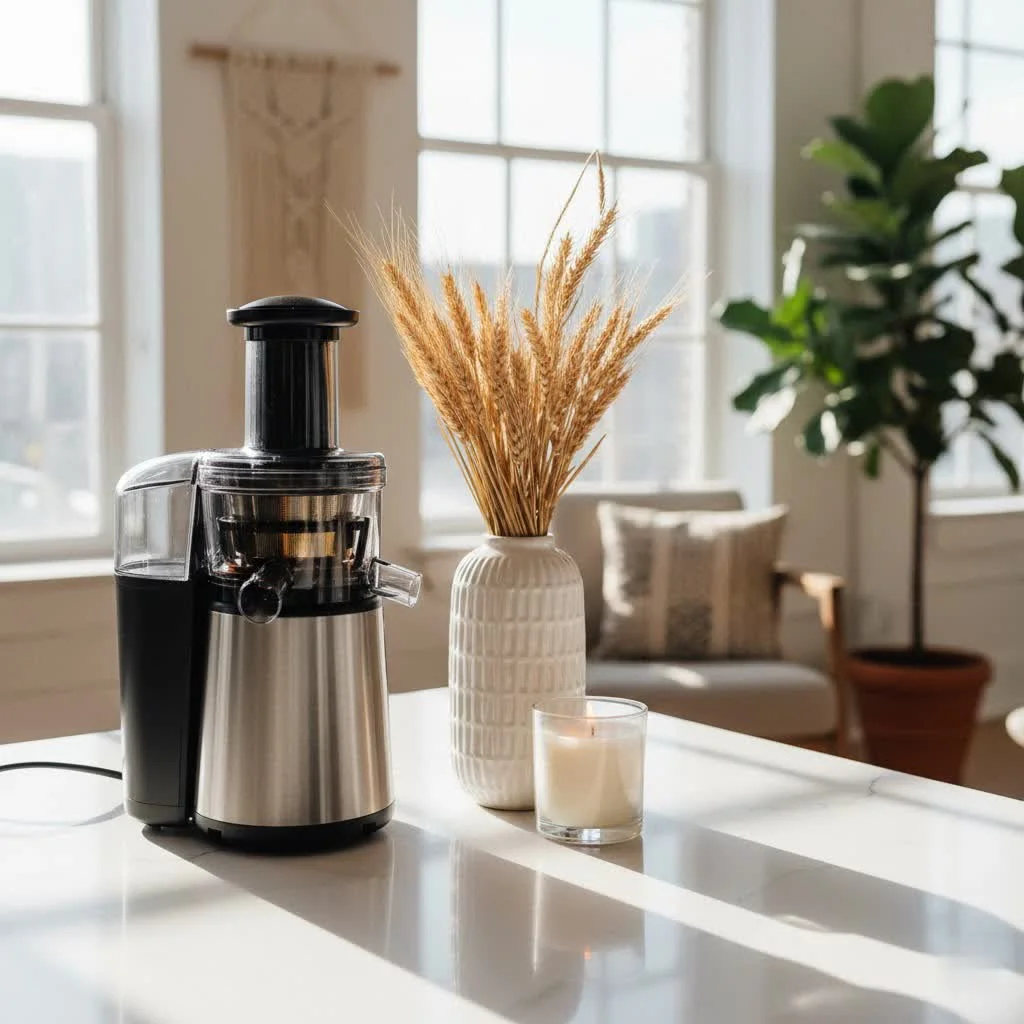
Imagine effortlessly extracting the essence of crisp apples, leafy greens, root vegetables, and tangy citrus, all in one go. Whether you’re a seasoned health enthusiast or just dipping your toes into the world of fresh juices, understanding these incredible machines is the first step toward a more vibrant you. This guide will walk you through everything you need to know, from their fascinating origins to choosing, using, and maintaining your perfect juicing companion.
The Journey of Juicing: A Brief History of Juicer Machines
The concept of extracting liquid from produce isn’t new; humans have been pressing fruits for centuries, from ancient wine presses to simple citrus squeezers. However, the modern vegetable fruit juicer machine as we know it began to take shape in the early 20th century. Pioneers like Dr. Norman Walker, often credited as the “father of juicing,” popularized the health benefits of raw vegetable and fruit juices, driving the innovation of more efficient home juicers.
Early designs were often manual or semi-manual, a far cry from the sleek, powerful appliances we see today. The mid-20th century brought electric centrifugal juicers, making the process faster and more accessible. Then came the rise of masticating, or cold press, juicers, emphasizing nutrient preservation by slowly crushing ingredients. This evolution reflects a growing understanding of nutrition and a continuous quest to make healthy living easier and more enjoyable for everyone.
Understanding Your Juicer: Types and How They Work
Navigating the world of vegetable fruit juicer machines can feel a bit like choosing a new car – there are many models, each with its own perks. Primarily, juicers fall into two main categories: centrifugal and masticating. Knowing the difference is key to finding the best fit for your juicing style.
Centrifugal Juicers
Think of centrifugal juicers as the sprinters of the juicing world. They feature a fast-spinning blade that grates fruits and vegetables against a mesh filter. The centrifugal force then separates the juice from the pulp, sending the liquid out through a spout.
Pros:
- Speed: They get the job done quickly, perfect for busy mornings.
- Affordability: Generally less expensive, making them a great entry point.
- Ease of Use: Often have wider feed chutes, meaning less chopping.
Cons:
- Heat & Oxidation: The high speed can generate heat and introduce more air, potentially reducing some nutrient content and causing the juice to oxidize faster.
- Foam: Tends to produce more foam.
- Pulpier Juice: The juice can sometimes be pulpier and separates more quickly.
- Leafy Greens: Less efficient with leafy greens.
Masticating (Slow/Cold Press) Juicers
|
Our Picks for the Best Fruit Juicer in 2026
As an Amazon Associate I earn from qualifying purchases.
|
||
| Num | Product | Action |
|---|---|---|
| 1 | Zulay Kitchen Metal 2-in-1 Lemon Squeezer - Sturdy Max Extraction Hand Juicer Lemon Squeezer Gets Every Last Drop - Easy to Clean Manual Citrus Juicer - Easy-Use Lemon Juicer Squeezer - Yellow/Red |

|
| 2 | Zulay Kitchen Cast Iron Juicer - Easy-to-Clean Heavy-Duty Manual Juicer, Professional Citrus Juicer - Stainless Steel Lemon Squeezer - Manual Citrus Press & Orange Squeezer - Orange Juicer (Black) |
|
| 3 | Zulay Kitchen Metal 2-in-1 Lemon Squeezer - Sturdy Max Extraction Hand Juicer Lemon Squeezer Gets Every Last Drop - Easy to Clean Manual Citrus Juicer - Easy-Use Lemon Juicer Squeezer - Black/Yellow |
|
| 4 | Zulay Kitchen Metal 2-in-1 Lemon Squeezer - Sturdy Max Extraction Hand Juicer Lemon Squeezer Gets Every Last Drop - Easy to Clean Manual Citrus Juicer - Easy-Use Lemon Juicer Squeezer - Black/Red |
|
| 5 | Juicer Machines with 5.8\" Large Feed Chute, Cold Press Juicer for Whole Vegetables and Fruits 400W, Slow Masticating juicer Easy to Clean Juice Extractor Machine High Juice Yield |
|
| 6 | Zulay Kitchen Metal 2-in-1 Lemon Squeezer - Sturdy Max Extraction Hand Juicer Lemon Squeezer Gets Every Last Drop - Easy to Clean Manual Citrus Juicer - Easy-Use Lemon Juicer Squeezer - Red/Yellow |
|
| 7 | Ninja NeverClog Cold Press Juicer, Powerful Slow Juicer with Total Pulp Control, Countertop, Electric, 2 Pulp Functions, Dishwasher Safe, 2nd Generation, Charcoal, JC151 |
|
| 8 | Zulay Kitchen Metal 2-in-1 Lemon Squeezer - Sturdy Max Extraction Hand Juicer Lemon Squeezer Gets Every Last Drop - Easy to Clean Manual Citrus Juicer - Easy-Use Lemon Juicer Squeezer - Blue/Yellow |
|
| 9 | Ninja NeverClog Cold Press Juicer, Powerful Slow Juicer with Total Pulp Control, Countertop, Electric, 2 Pulp Functions, Dishwasher Safe, 2nd Generation, Steam Gray, JC151SL |
|
| 10 | Ninja NeverClog Cold Press Juicer, Powerful Slow Juicer with Total Pulp Control, Countertop, Electric, 2 Pulp Functions, Dishwasher Safe, 2nd Generation, Blue/Navy, JC151NV |
|
Masticating juicers, also known as slow juicers or cold press juicers, are the marathon runners. They operate at lower speeds, using an auger (a screw-like mechanism) to slowly crush and press produce against a screen, thoroughly extracting the juice. This gentle process minimizes heat and oxidation.
Pros:
- Nutrient Retention: Due to less heat and oxidation, they preserve more enzymes, vitamins, and minerals.
- Higher Yield: Extract more juice from your produce, especially leafy greens and wheatgrass, leading to less waste.
- Quality Juice: Produce smoother, richer, and longer-lasting juice with less foam.
- Quiet Operation: Generally much quieter than centrifugal models.
Cons:
- Speed: Slower operation means it takes more time to make juice.
- Cost: Typically more expensive upfront.
- Prep Work: Often require more chopping of ingredients to fit smaller feed chutes.
“The choice between a centrifugal and a masticating juicer really boils down to your priorities,” explains Dr. Emily Roberts, a nutritionist and culinary expert. “If you’re after maximum nutrient density and longer-lasting juice, a cold press machine is your best bet, especially for those potent green juices. For quick, everyday convenience, a centrifugal model does a fantastic job.”
Triturating Juicers
A less common, but highly efficient, type is the triturating juicer. Similar to masticating juicers, they use twin gears to grind and press produce. These are often considered the most efficient in terms of juice yield and nutrient preservation, though they are usually more expensive and larger.
Mastering Your Machine: A Step-by-Step Guide to Using Your Vegetable Fruit Juicer
Getting started with your new vegetable fruit juicer machine is exciting! While each model comes with its specific instructions, here’s a general guide to help you make your first delicious batch.
Preparation is Key
Before you even plug in your juicer, a little prep goes a long way.
- Read the Manual: Always start by familiarizing yourself with your specific juicer’s instructions and parts.
- Assemble Your Juicer: Put all the components together correctly. This usually involves attaching the juice bowl, auger/blade, filter, and pulp container.
- Wash Your Produce: Thoroughly wash all your fruits and vegetables to remove dirt, pesticides, or any unwanted residues.
- Chop Smartly: While wide-mouth juicers can take whole fruits, it’s generally best to cut produce into manageable pieces (1-2 inches) to prevent clogging and optimize extraction. Remove hard pits, large seeds, and thick peels (like citrus rinds) if they are not meant to be juiced. For leafy greens, roll them into tight bundles.
Juicing Like a Pro
Now for the fun part – watching your ingredients transform into liquid gold!
- Position Your Containers: Place a juice collection container under the spout and ensure the pulp container is correctly in place.
- Power On: Turn on your juicer. If it has variable speeds, select the appropriate setting – low for softer fruits and leafy greens, high for harder vegetables like carrots or beets.
- Feed Slowly: Gently feed the prepared fruits and vegetables into the chute. Don’t overload the machine or push too hard, especially with masticating juicers, as this can strain the motor. Use the provided pusher only when necessary to guide ingredients.
- Observe: Watch the juice flow into your container and the pulp get expelled. The dryer the pulp, the more efficient your juicer is!
Safety First
Operating a vegetable fruit juicer machine involves moving parts, so safety is paramount.
- Keep Hands Clear: Never put your fingers or any utensils into the feed chute while the juicer is running. Always use the pusher.
- Stable Surface: Ensure your juicer is on a stable, flat surface to prevent it from moving or tipping during operation.
- Unplug Before Disassembly: Always unplug the juicer from the power source before disassembling, cleaning, or performing any maintenance.
- Check for Damage: If any parts are broken or damaged, do not use the juicer.
Keeping It Pristine: Essential Care and Maintenance Tips
A clean juicer is a happy juicer, and it ensures the longevity of your appliance and the purity of your juice.
Immediate Cleanup
The golden rule of juicing is to clean your machine immediately after each use.
- Disassemble: Unplug the juicer and carefully take apart all removable components.
- Rinse: Rinse all parts under warm running water to remove pulp and juice residues. This is much easier before anything dries on.
- Scrub: Use a soft brush (many juicers come with one, especially for the mesh filter) and mild dish soap to thoroughly clean all parts, paying special attention to the mesh screen. Dried pulp in the mesh can be notoriously difficult to remove.
- Dry: Rinse thoroughly again with clean water, then allow all parts to air dry completely or dry them with a clean cloth before reassembling or storing. This prevents mold and rust.
Regular Check-ups
Beyond daily cleaning, periodic checks can extend your juicer’s life.
- Stability: Check the stability of the base and any connecting parts weekly.
- Components: Monthly, inspect pressure gauges, valves (on certain models), and especially the metal filter screen for any damage or wear. Replace any damaged parts promptly.
Storage Solutions
When not in use, proper storage protects your investment.
- Short-Term: If you juice daily, simply keeping your clean, reassembled juicer on the counter is fine.
- Long-Term: For extended periods of non-use, ensure the machine is completely clean and dry. Store it in a dry, well-ventilated area away from direct sunlight and corrosive gases.
Beyond the Basics: Tips for Perfect Juicing and Delicious Recipes
With your juicer prepped and ready, let’s explore how to get the most out of your fresh ingredients and craft truly amazing drinks.
Choosing Your Produce
The quality of your juice begins with the quality of your ingredients.
- Freshness is Key: Always opt for fresh, ripe, seasonal fruits and vegetables for the best flavor and nutritional content.
- Variety: Don’t be afraid to experiment with a wide array of produce. Different colors often indicate different nutrients.
- Organic (If Possible): Choosing organic can minimize pesticide exposure, especially if you plan to juice with peels on.
Crafting Perfect Blends
Balancing flavors and textures is an art.
- Sweet and Green Balance: If you’re new to green juices, start by balancing bitter greens (like kale or spinach) with sweeter fruits (apples, carrots, oranges).
- Hard and Soft Alternation: When using a masticating juicer, alternate between hard and soft ingredients. For example, follow a handful of spinach with a piece of carrot to help push the greens through.
- Flavor Boosters: A small piece of ginger, a squeeze of lemon or lime, or a sprig of mint can elevate your juice’s flavor profile and also help slow down oxidation.
“Don’t shy away from unusual combinations,” advises Chef David Chen, a proponent of plant-based nutrition. “Sometimes the most unexpected pairings, like beetroot and pineapple, create the most incredible taste sensations and deliver a powerful nutrient punch. Think about how textures will process, too – soft fruits first, then harder ones in a centrifugal juicer, or alternate for a masticating one.”
Maximizing Your Juice’s Life
Fresh juice is best consumed immediately, but you can store it if done correctly.
- Airtight Containers: Store juice in airtight glass containers, filling them to the very top to minimize air exposure and oxidation.
- Refrigerate Promptly: Get your juice into the refrigerator as soon as possible.
- Consume Within 24-72 Hours: Masticated (cold-pressed) juices generally last longer (up to 72 hours), while centrifugal juices are best consumed within 24 hours for optimal flavor and nutrient retention.
The Elixir of Health: Nutritional Value and Benefits of Fresh Juices
Beyond the delicious taste, the true magic of your vegetable fruit juicer machine lies in the incredible health benefits it offers.
Vitamin & Mineral Boost
Fresh juices are concentrated sources of vitamins, minerals, and phytonutrients. They allow your body to absorb these vital nutrients quickly and efficiently, bypassing the digestive effort required for whole foods. A glass of fresh carrot juice, for instance, provides a powerful dose of Vitamin A, crucial for vision and immune function.
Digestive Health & Immunity
The enzymes and nutrients in raw juices can support a healthy digestive system. Many fruits and vegetables contain prebiotics and anti-inflammatory compounds that promote gut health, which is intrinsically linked to a strong immune system. Regular juicing can be a fantastic way to flood your body with immune-boosting compounds.
Hydration & Energy
Juices are naturally hydrating, providing essential electrolytes and water directly to your cells. This can lead to increased energy levels, improved mental clarity, and a general feeling of well-being. Swapping sugary drinks for fresh, vibrant juices is a simple yet impactful way to enhance your daily hydration.
Integrating Juice into Your Lifestyle
Think of juicing as a powerful supplement to a balanced diet, not a replacement for whole fruits and vegetables. It’s a fantastic way to consume a wider variety of produce, especially those you might not typically eat raw, and to enjoy a convenient, nutrient-dense pick-me-up any time of day.
Frequently Asked Questions
Q1: What’s the best type of vegetable fruit juicer machine for beginners?
A centrifugal juicer is often recommended for beginners due to its lower cost, faster operation, and easier preparation (less chopping). However, if nutrient retention and juicing leafy greens are priorities, a basic masticating juicer is a worthwhile investment.
Q2: Can I juice leafy greens effectively with any juicer?
Masticating (slow/cold press) juicers are significantly more effective at extracting juice from leafy greens like kale, spinach, and wheatgrass, yielding more juice and preserving more nutrients. Centrifugal juicers tend to struggle with leafy greens, often producing less juice and more foamy pulp.
Q3: How long can I store freshly made juice?
Cold-pressed juice, stored in an airtight container filled to the brim and refrigerated, can typically last up to 72 hours. Juice from a centrifugal juicer is best consumed within 24 hours, as it oxidizes more quickly due to heat and air exposure during processing.
Q4: Is it necessary to peel fruits and vegetables before juicing?
It depends on the fruit or vegetable and your juicer. For many items like apples, carrots, and cucumbers, the peel contains valuable nutrients and can be juiced. However, thick, bitter, or waxy peels (like oranges, lemons, pineapple, or kiwi) should be removed as they can affect taste or contain compounds you might not want to ingest. Always remove pits from fruits like peaches or cherries.
Q5: Why is my juicer making too much foam?
Excessive foam is more common with centrifugal juicers due to the high-speed spinning that incorporates air into the juice. To reduce foam, you can try adding a slice of lemon or lime, using a lower speed setting if available, or considering a masticating juicer which naturally produces less foam. Some juicers also come with froth separators in their juice jugs.
Embrace the Freshness!
The world of fresh juices, powered by your amazing vegetable fruit juicer machine, is a journey toward better health, increased energy, and delightful flavors. From its humble beginnings to today’s advanced cold press and centrifugal models, this appliance has proven its worth as a cornerstone of a wellness-focused kitchen. By understanding the types, mastering the usage, and committing to simple maintenance, you’re not just making juice; you’re crafting a lifestyle. So go ahead, experiment with new recipes, share your vibrant creations, and let your vegetable fruit juicer machine be your daily dose of delicious, natural vitality.
Cooking gear we tested in our own kitchens
Free PDF — preheat times measured on 10 popular air fryers.