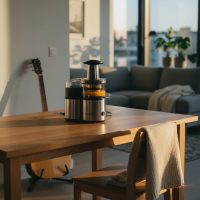
In a world increasingly driven by automation, the manual fruit juicer press stands as a testament to simplicity and quality. These unassuming kitchen tools are making a significant comeback, offering a straightforward path to fresh, nutrient-rich juices without the complexities of electric counterparts. For those who appreciate the art of preparation and the purity of taste, a manual juicer press promises a refreshing experience, directly from your produce to your glass.
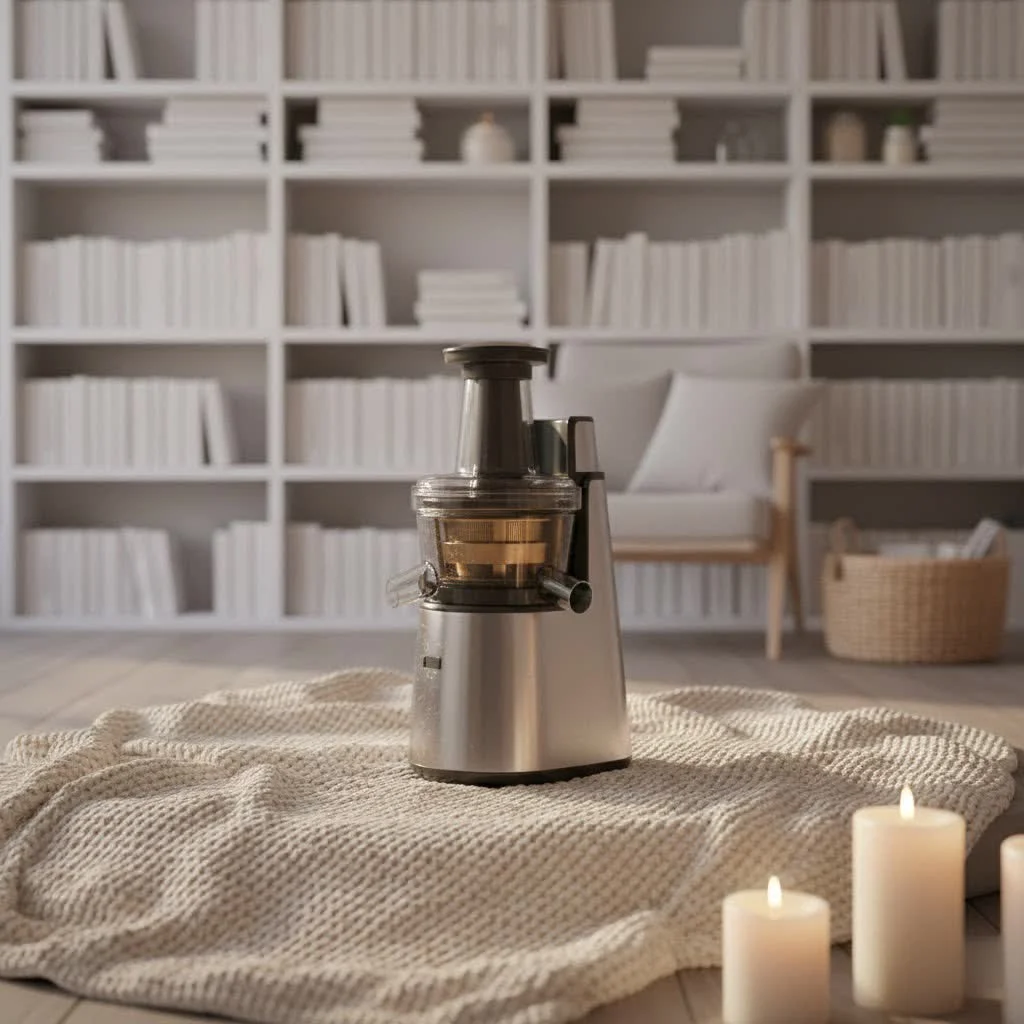
Why Choose a Manual Fruit Juicer Press? The Undeniable Advantages
The preference for manual fruit juicers stems from a host of compelling benefits that resonate with health-conscious individuals and culinary enthusiasts alike.
Preserves Nutrients and Flavor
One of the most significant advantages of a manual press is its cold-pressing action. Unlike electric juicers that can generate heat and introduce air, manual methods extract juice slowly, minimizing oxidation and heat exposure. This gentle process helps retain a higher concentration of vitamins, enzymes, and the authentic flavor profile of the fruit, ensuring your juice is as healthy as it is delicious.
Eco-Friendly and Quiet Operation
Operating without electricity, manual juicer presses are inherently eco-friendly, reducing your carbon footprint. This independence from power sources also means they operate in near silence, making them perfect for early morning juice preparation or use in shared living spaces where noise might be a concern.
Durability and Longevity
Built with robust materials such as stainless steel and cast iron, manual juicer presses are designed to last. Their simple mechanical design means fewer moving parts to break down, offering a durable and long-lasting kitchen investment that often outlasts more complicated electric models.
Portability and Compact Design
Many manual juicers are compact and portable, easily fitting into kitchen drawers or making them ideal companions for camping trips, picnics, or RV travel. Their small footprint is also a boon for kitchens with limited counter or storage space.
Cost-Effective
Generally, manual fruit juicer presses come with a lower upfront cost than electric models. Without the need for electricity, they also contribute to long-term savings on utility bills, making them an economical choice for fresh juice.
Exploring the Types of Manual Fruit Juicer Presses
|
Our Picks for the Best Fruit Juicer in 2026
As an Amazon Associate I earn from qualifying purchases.
|
||
| Num | Product | Action |
|---|---|---|
| 1 | Ninja NeverClog Cold Press Juicer, Powerful Slow Juicer with Total Pulp Control, Countertop, Electric, 2 Pulp Functions, Dishwasher Safe, 2nd Generation, Charcoal, JC151 |

|
| 2 | Ninja NeverClog Cold Press Juicer, Powerful Slow Juicer with Total Pulp Control, Countertop, Electric, 2 Pulp Functions, Dishwasher Safe, 2nd Generation, Steam Gray, JC151SL |
|
| 3 | Zulay Kitchen Cast Iron Juicer - Easy-to-Clean Heavy-Duty Manual Juicer, Professional Citrus Juicer - Stainless Steel Lemon Squeezer - Manual Citrus Press & Orange Squeezer - Orange Juicer (Black) |
|
| 4 | Zulay Kitchen Metal 2-in-1 Lemon Squeezer - Sturdy Max Extraction Hand Juicer Lemon Squeezer Gets Every Last Drop - Easy to Clean Manual Citrus Juicer - Easy-Use Lemon Juicer Squeezer - Black/Yellow |
|
| 5 | Zulay Kitchen Metal 2-in-1 Lemon Squeezer - Sturdy Max Extraction Hand Juicer Lemon Squeezer Gets Every Last Drop - Easy to Clean Manual Citrus Juicer - Easy-Use Lemon Juicer Squeezer - Yellow/Red |
|
| 6 | Zulay Kitchen Metal 2-in-1 Lemon Squeezer - Sturdy Max Extraction Hand Juicer Lemon Squeezer Gets Every Last Drop - Easy to Clean Manual Citrus Juicer - Easy-Use Lemon Juicer Squeezer - Red/Yellow |
|
| 7 | Zulay Kitchen Metal 2-in-1 Lemon Squeezer - Sturdy Max Extraction Hand Juicer Lemon Squeezer Gets Every Last Drop - Easy to Clean Manual Citrus Juicer - Easy-Use Lemon Juicer Squeezer - Blue/Yellow |
|
| 8 | Zulay Kitchen Metal 2-in-1 Lemon Squeezer - Sturdy Max Extraction Hand Juicer Lemon Squeezer Gets Every Last Drop - Easy to Clean Manual Citrus Juicer - Easy-Use Lemon Juicer Squeezer - Black/Red |
|
| 9 | Juicer Machines with 5.8\" Large Feed Chute, Cold Press Juicer for Whole Vegetables and Fruits 400W, Slow Masticating juicer Easy to Clean Juice Extractor Machine High Juice Yield |
|
| 10 | Ninja NeverClog Cold Press Juicer, Powerful Slow Juicer with Total Pulp Control, Countertop, Electric, 2 Pulp Functions, Dishwasher Safe, 2nd Generation, Blue/Navy, JC151NV |
|
Manual juicers come in several forms, each suited for different needs and types of produce:
- Hand Press (Lever-Style) Juicers: These heavy-duty models use a lever mechanism to exert significant force, making them highly efficient for juicing citrus fruits like oranges, lemons, limes, and even pomegranates. They are often countertop models, providing stability during use.
- Handheld Squeezers (Reamers): Simple and compact, these are perfect for quickly extracting juice from smaller citrus fruits directly into a glass or dish. They require direct hand strength but are incredibly easy to clean and store.
- Hand Crank Juicers: While some manual presses focus solely on citrus, certain hand-crank models are designed with an auger system, allowing them to process a wider variety of produce, including wheatgrass, leafy greens, and some harder fruits and vegetables, though this typically requires more effort.
What to Consider When Choosing Your Manual Juicer
Selecting the right manual fruit juicer press involves a few key considerations:
- Material: Look for food-grade stainless steel or cast iron for maximum durability and hygiene. BPA-free plastics are also an option for certain parts.
- Ease of Cleaning: Juicers with detachable, dishwasher-safe components simplify cleanup, encouraging more frequent use.
- Stability: A non-slip base is crucial for countertop models to ensure safety and efficiency during the juicing process.
- Effort Required: Consider the ergonomic design and leverage system. While all manual juicers require some effort, a well-designed press can significantly reduce the physical strain.
- Versatility: Determine the types of fruits and vegetables you intend to juice. Some models are optimized for citrus, while others can handle a broader range.
- Size and Storage: Evaluate your available kitchen space for both use and storage.
Manual vs. Electric Juicers: A Concise Comparison
While electric juicers offer speed and convenience for large volumes, manual juicers often win on other fronts:
| Feature | Manual Juicer Press | Electric Juicer |
|---|---|---|
| Juice Quality | Higher nutrient retention, less oxidation, richer flavor. | Faster, but can introduce heat/oxidation, potentially reducing nutrient levels. |
| Speed | Slower, requires manual effort; ideal for small batches. | Faster, less physical effort; ideal for large quantities. |
| Noise Level | Silent operation. | Can be noisy due to motor. |
| Cost | Generally lower upfront and operating costs. | Higher upfront cost, ongoing electricity expense. |
| Cleaning | Often fewer parts, easier to clean by hand or dishwasher. | More components, sometimes intricate cleaning. |
| Portability | Highly portable, no power outlet needed. | Limited by power outlet access. |
Embrace the Art of Manual Juicing
A manual fruit juicer press is more than just a kitchen gadget; it’s an invitation to a more mindful approach to healthy living. By choosing a manual press, you gain control over the quality of your juice, ensuring every drop is fresh, flavorful, and packed with natural goodness. Whether you’re crafting a morning citrus boost, mixing cocktails, or preparing ingredients for your culinary creations, a manual juicer press offers an accessible, satisfying, and sustainable way to enjoy the purest essence of fruits and vegetables.
Cooking gear we tested in our own kitchens
Free PDF — preheat times measured on 10 popular air fryers.