A slow fruit juicer machine, also known as a cold press or masticating juicer, is a superior choice for extracting nutrient-dense juice because it uses a powerful auger to slowly crush and press produce, minimizing heat buildup and oxidation. This gentle process preserves delicate vitamins, enzymes, and antioxidants, resulting in a higher quality, better-tasting juice with maximized nutrient retention compared to traditional centrifugal juicers.
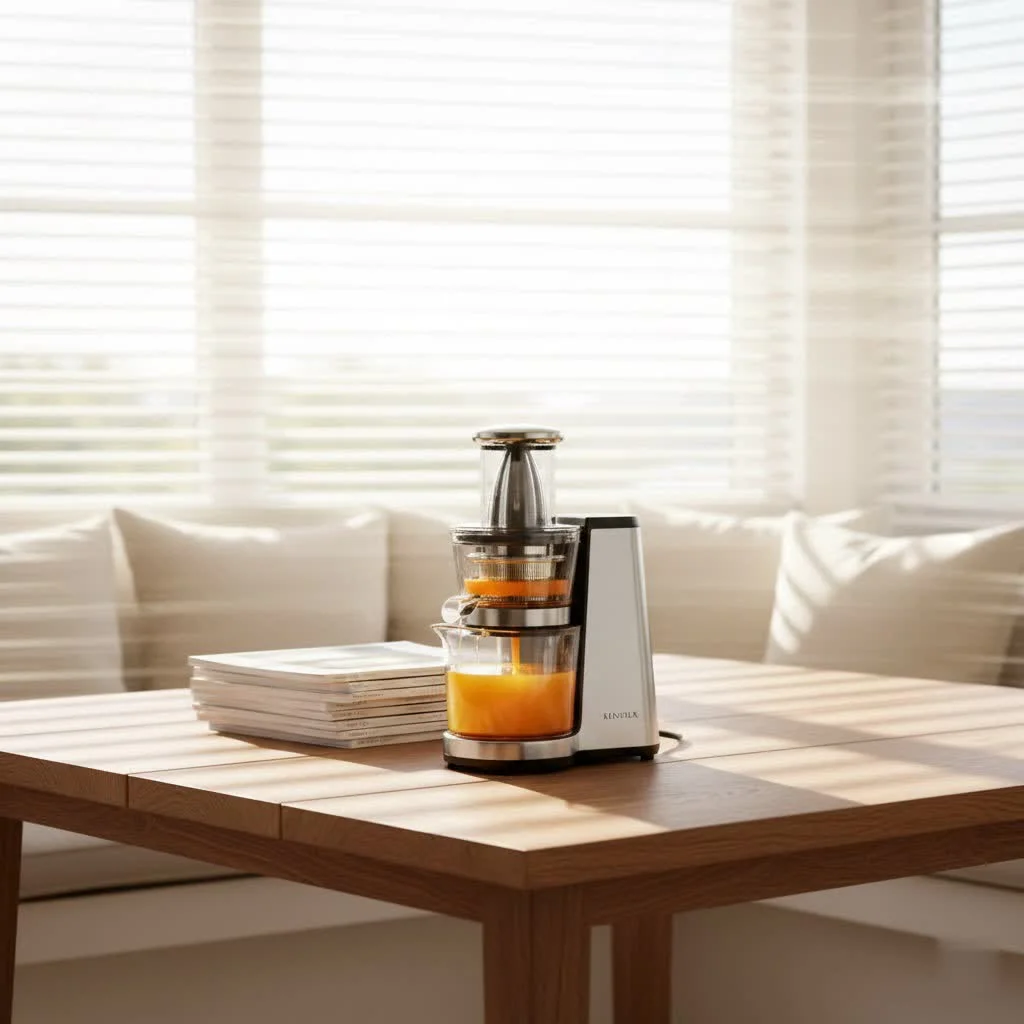 fruit juicer extracting juice from fresh produce” style=”margin: 20px auto;width: 800px;max-width: 100%;height: auto” />
Unlike traditional centrifugal juicers that rely on high-speed spinning blades, slow juicers operate with a gentle, deliberate approach. They use a powerful auger that slowly crushes and presses fruits and vegetables, mimicking a chewing motion. This low-speed process minimizes heat buildup and oxidation, two factors that can degrade the quality and nutritional value of your juice. The result is a vibrant, nutrient-dense beverage that truly captures the essence of fresh ingredients.
Unlocking a Host of Health Benefits
The methodical extraction process of a slow fruit juicer translates into several significant advantages for your health and daily routine:
1. Maximized Nutrient Retention: The primary benefit of a slow juicer is its ability to preserve vital nutrients. By avoiding high heat and excessive exposure to air, these machines protect delicate vitamins, enzymes, and antioxidants that are crucial for overall well-being. This means every glass you pour is packed with more of the goodness your body craves.
2. Superior Juice Quality and Taste: With less oxidation and foam, juice from a slow juicer boasts a richer, more natural flavor and a vibrant color. The absence of aeration also extends the shelf life of your juice, allowing you to prepare larger batches and enjoy fresh, delicious beverages for longer without compromising taste or nutritional integrity.
3. Higher Juice Yield, Less Waste: Slow juicers are incredibly efficient at extracting liquid, leaving behind a noticeably drier pulp. This means you get more juice from the same amount of fruits and vegetables, making your produce go further and reducing food waste. It’s an economical choice that maximizes the value of your ingredients.
4. Improved Digestion and Nutrient Absorption: The gentle pressing action of a masticating juicer breaks down fibers more effectively, resulting in a smoother, more palatable juice. This makes it easier for your body to digest and absorb the beneficial nutrients, particularly for individuals with sensitive stomachs. Preserved digestive enzymes further support gut health.
5. Remarkable Versatility: Beyond just fruits, slow juicers are adept at processing a wide array of ingredients. They excel with fibrous leafy greens like kale and spinach, hard vegetables such as carrots, and soft fruits. Many models can also be used to create homemade nut milks, sorbets, and even baby food, expanding your healthy culinary options.
6. Quiet Operation for a Peaceful Kitchen: Say goodbye to the loud, disruptive noise often associated with traditional juicers. Slow fruit juicer machines operate with a much quieter motor, making your juicing experience more pleasant, especially during early mornings or late evenings when you want to avoid disturbing others.
7. Simplified Cleaning (on many models): Modern slow juicers are often designed with fewer parts and feature easy-to-disassemble components, making cleanup a straightforward task. Many include cleaning brushes or have dishwasher-safe parts, encouraging consistent use and effortless maintenance of your healthy habits.
Investing in Your Wellness
|
Our Picks for the Best Fruit Juicer in 2026
As an Amazon Associate I earn from qualifying purchases.
|
||
| Num | Product | Action |
|---|---|---|
| 1 | Zulay Kitchen Metal 2-in-1 Lemon Squeezer - Sturdy Max Extraction Hand Juicer Lemon Squeezer Gets Every Last Drop - Easy to Clean Manual Citrus Juicer - Easy-Use Lemon Juicer Squeezer - Blue/Yellow |

|
| 2 | Ninja NeverClog Cold Press Juicer, Powerful Slow Juicer with Total Pulp Control, Countertop, Electric, 2 Pulp Functions, Dishwasher Safe, 2nd Generation, Charcoal, JC151 |
|
| 3 | Zulay Kitchen Metal 2-in-1 Lemon Squeezer - Sturdy Max Extraction Hand Juicer Lemon Squeezer Gets Every Last Drop - Easy to Clean Manual Citrus Juicer - Easy-Use Lemon Juicer Squeezer - Yellow/Red |
|
| 4 | Zulay Kitchen Metal 2-in-1 Lemon Squeezer - Sturdy Max Extraction Hand Juicer Lemon Squeezer Gets Every Last Drop - Easy to Clean Manual Citrus Juicer - Easy-Use Lemon Juicer Squeezer - Black/Red |
|
| 5 | Zulay Kitchen Cast Iron Juicer - Easy-to-Clean Heavy-Duty Manual Juicer, Professional Citrus Juicer - Stainless Steel Lemon Squeezer - Manual Citrus Press & Orange Squeezer - Orange Juicer (Black) |
|
| 6 | Zulay Kitchen Metal 2-in-1 Lemon Squeezer - Sturdy Max Extraction Hand Juicer Lemon Squeezer Gets Every Last Drop - Easy to Clean Manual Citrus Juicer - Easy-Use Lemon Juicer Squeezer - Red/Yellow |
|
| 7 | Ninja NeverClog Cold Press Juicer, Powerful Slow Juicer with Total Pulp Control, Countertop, Electric, 2 Pulp Functions, Dishwasher Safe, 2nd Generation, Blue/Navy, JC151NV |
|
| 8 | Ninja NeverClog Cold Press Juicer, Powerful Slow Juicer with Total Pulp Control, Countertop, Electric, 2 Pulp Functions, Dishwasher Safe, 2nd Generation, Steam Gray, JC151SL |
|
| 9 | Juicer Machines with 5.8\" Large Feed Chute, Cold Press Juicer for Whole Vegetables and Fruits 400W, Slow Masticating juicer Easy to Clean Juice Extractor Machine High Juice Yield |
|
| 10 | Zulay Kitchen Metal 2-in-1 Lemon Squeezer - Sturdy Max Extraction Hand Juicer Lemon Squeezer Gets Every Last Drop - Easy to Clean Manual Citrus Juicer - Easy-Use Lemon Juicer Squeezer - Black/Yellow |
|
Choosing a slow fruit juicer machine is more than just buying an appliance; it’s an investment in a healthier lifestyle. By consistently delivering high-quality, nutrient-rich juices with superior taste and minimal waste, these machines empower you to easily integrate a wealth of fresh produce into your daily diet. Embrace the gentle power of slow juicing and experience the difference it can make in your journey toward optimal health.
Frequently Asked Questions
What is the main difference between a slow juicer and a centrifugal juicer?
The main difference is their operating mechanism: a slow juicer uses a powerful auger to gently crush and press produce at low speeds, typically under 80 RPM, while a centrifugal juicer uses high-speed spinning blades. This low-speed process in slow juicers minimizes heat and oxidation, preserving more nutrients.
How does a slow juicer improve nutrient retention in juice?
A slow juicer improves nutrient retention by operating at low speeds, which significantly reduces heat buildup and exposure to air. This gentle extraction process protects delicate vitamins, enzymes, and antioxidants from degradation, ensuring that each glass contains a higher concentration of beneficial compounds.
Can slow juicers process leafy greens and hard vegetables effectively?
Yes, slow juicers are highly effective at processing both leafy greens like kale and spinach, and hard vegetables such as carrots and beets. Their masticating action efficiently extracts juice from fibrous ingredients, often yielding more juice than centrifugal models.
What are the benefits of a slow juicer for digestion?
Slow juicers benefit digestion by breaking down fibers more effectively, resulting in a smoother, more palatable juice that is easier for the body to absorb. The preservation of digestive enzymes also supports overall gut health, making it ideal for individuals with sensitive stomachs.
Do slow juicers produce more juice from the same amount of produce?
Yes, slow juicers are known for their efficiency, typically producing a higher juice yield from the same amount of fruits and vegetables compared to centrifugal juicers. They leave behind a noticeably drier pulp, indicating more liquid has been extracted, which reduces food waste.
Cooking gear we tested in our own kitchens
Free PDF — preheat times measured on 10 popular air fryers.
This slow juicer is a game-changer for my morning routine. I love that it minimizes oxidation, so I can make a batch of orange and carrot juice and it still tastes fresh a day later. Cleanup is pretty straightforward too, which was a big concern for me. My only minor gripe is that it’s a bit slower than I expected, but the quality of the juice makes up for it.
I got this cold press juicer hoping to get more enzymes from my fruits and veggies. It does a good job with apples and pears, but I found it struggled a bit with really fibrous greens like celery, sometimes leaving a bit more pulp than I’d like. It’s not bad, but I was expecting a slightly smoother result for the price point.
I’ve been using my new slow juicer for a few weeks now, and I can really feel the difference in my energy levels. The gentle crushing process really does seem to make a more vibrant, nutrient-dense juice. I’ve been experimenting with all sorts of fruit and vegetable combinations, and everything comes out tasting amazing. Highly recommend!
I finally took the plunge and bought a masticating juicer after reading about how much better they are for nutrient retention. I’ve been making a lot of green juices with kale and spinach, and the difference in taste and color compared to my old centrifugal juicer is incredible. It’s definitely worth the investment for anyone serious about their health.