Fruit and vegetable juicers are essential kitchen appliances that transform raw produce into delicious, nutrient-rich beverages, offering a convenient way to increase daily intake of vital nutrients. Juicing provides concentrated doses of essential nutrients like Vitamins A, C, K, folate, potassium, calcium, and iron, supporting overall vitality and a healthy diet. The two primary categories of juicers are centrifugal and masticating, each with distinct benefits and ideal uses.
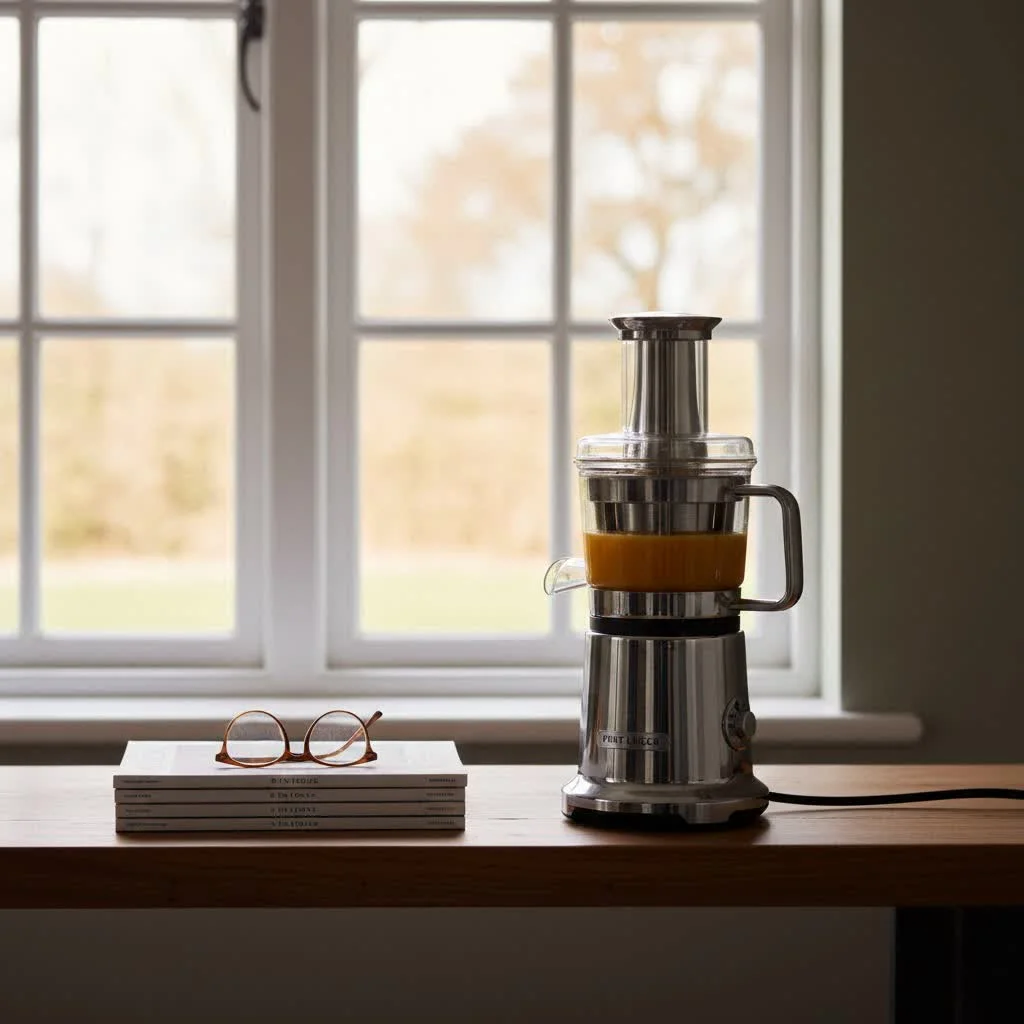
The Potent Benefits of Juicing
Incorporating fresh, homemade fruit and vegetable juices into your diet can unlock a range of impressive health benefits: For see our home recommendations on this site.
- Enhanced Nutrient Absorption: Juicing separates liquid from fiber, allowing your body to absorb vitamins, minerals, and antioxidants more rapidly and efficiently. This provides a concentrated dose of essential nutrients like Vitamins A, C, K, folate, potassium, calcium, and iron.
- Increased Vegetable Intake: For those who struggle to eat enough raw vegetables, juicing offers an appealing solution, making it easier and more palatable to consume a wider variety of greens and roots.
- Superior Hydration: Many fruits and vegetables boast high water content, contributing significantly to your daily hydration needs through juicing.
- Immune System Support: The abundance of vitamins and antioxidants in fresh juices can bolster your immune system, helping your body defend against illnesses.
- Reduced Inflammation and Blood Pressure: Certain juices, particularly those rich in vegetables, may contribute to lowering blood pressure and reducing inflammation thanks to their beneficial compounds.
Understanding the Types of Fruit and Vegetable Juicers
When choosing a juicer, understanding the different types is crucial, as each excels with specific kinds of produce and offers varying benefits. The two primary categories are centrifugal and masticating juicers.
Centrifugal Juicers
These are often considered entry-level juicers, known for their speed and affordability.
- How they work: Centrifugal juicers utilize a fast-spinning blade that shreds fruits and vegetables, then rapidly spins the pulp against a mesh filter to separate the juice. Their wide feed chutes often accommodate whole fruits, minimizing prep time.
- Pros: Quick operation, generally more budget-friendly, effective with harder fruits and vegetables like apples and carrots.
- Cons: Tend to be noisy, the high-speed action can generate heat and introduce more oxygen, leading to faster oxidation and nutrient degradation. This means juice from a centrifugal juicer is best consumed immediately for optimal flavor and nutrient content. They are also less efficient with leafy greens, often yielding a wetter pulp.
Masticating Juicers (Slow Juicers / Cold Press Juicers)
|
Our Picks for the Best Fruit Juicer in 2026
As an Amazon Associate I earn from qualifying purchases.
|
||
| Num | Product | Action |
|---|---|---|
| 1 | Zulay Kitchen Metal 2-in-1 Lemon Squeezer - Sturdy Max Extraction Hand Juicer Lemon Squeezer Gets Every Last Drop - Easy to Clean Manual Citrus Juicer - Easy-Use Lemon Juicer Squeezer - Red/Yellow |

|
| 2 | Zulay Kitchen Metal 2-in-1 Lemon Squeezer - Sturdy Max Extraction Hand Juicer Lemon Squeezer Gets Every Last Drop - Easy to Clean Manual Citrus Juicer - Easy-Use Lemon Juicer Squeezer - Black/Yellow |
|
| 3 | Zulay Kitchen Cast Iron Juicer - Easy-to-Clean Heavy-Duty Manual Juicer, Professional Citrus Juicer - Stainless Steel Lemon Squeezer - Manual Citrus Press & Orange Squeezer - Orange Juicer (Black) |
|
| 4 | Zulay Kitchen Metal 2-in-1 Lemon Squeezer - Sturdy Max Extraction Hand Juicer Lemon Squeezer Gets Every Last Drop - Easy to Clean Manual Citrus Juicer - Easy-Use Lemon Juicer Squeezer - Black/Red |
|
| 5 | Juicer Machines with 5.8\" Large Feed Chute, Cold Press Juicer for Whole Vegetables and Fruits 400W, Slow Masticating juicer Easy to Clean Juice Extractor Machine High Juice Yield |
|
| 6 | Ninja NeverClog Cold Press Juicer, Powerful Slow Juicer with Total Pulp Control, Countertop, Electric, 2 Pulp Functions, Dishwasher Safe, 2nd Generation, Blue/Navy, JC151NV |
|
| 7 | Ninja NeverClog Cold Press Juicer, Powerful Slow Juicer with Total Pulp Control, Countertop, Electric, 2 Pulp Functions, Dishwasher Safe, 2nd Generation, Steam Gray, JC151SL |
|
| 8 | Ninja NeverClog Cold Press Juicer, Powerful Slow Juicer with Total Pulp Control, Countertop, Electric, 2 Pulp Functions, Dishwasher Safe, 2nd Generation, Charcoal, JC151 |
|
| 9 | Zulay Kitchen Metal 2-in-1 Lemon Squeezer - Sturdy Max Extraction Hand Juicer Lemon Squeezer Gets Every Last Drop - Easy to Clean Manual Citrus Juicer - Easy-Use Lemon Juicer Squeezer - Yellow/Red |
|
| 10 | Zulay Kitchen Metal 2-in-1 Lemon Squeezer - Sturdy Max Extraction Hand Juicer Lemon Squeezer Gets Every Last Drop - Easy to Clean Manual Citrus Juicer - Easy-Use Lemon Juicer Squeezer - Blue/Yellow |
|
Masticating juicers operate at slower speeds, mimicking a “chewing” action to press out juice.
- How they work: A single auger slowly crushes and grinds produce against a screen, gently squeezing out the liquid. This slower process generates minimal heat and oxidation.
- Pros: Excellent for leafy greens, wheatgrass, and softer fruits, producing a higher yield of juice with drier pulp. The low-heat, low-oxidation process preserves more nutrients and enzymes, allowing the juice to be stored for up to 24-72 hours in an airtight container. They are also significantly quieter than centrifugal models.
- Cons: Typically more expensive, slower to operate, and often require produce to be cut into smaller pieces due to narrower feed chutes, increasing prep time. Cleanup can sometimes involve more parts.
Twin Gear Juicers (Triturating Juicers)
A specialized type of masticating juicer, twin gear models use two interlocking gears to grind and press produce.
- How they work: Operating at even slower speeds than single-auger masticating juicers, they extract juice with exceptional thoroughness.
- Pros: Offer the highest juice yield and superior nutrient retention, allowing juice to last up to 72 hours. They are particularly effective for leafy greens and wheatgrass.
- Cons: These are usually the most expensive option, can be slower to use, and often have more components to clean.
Manual and Citrus Juicers
For simple, small-batch juicing, especially of citrus, manual options like handheld squeezers or reamers are practical, inexpensive, and easy to clean.
Choosing the Perfect Fruit and Vegetable Juicer for Your Kitchen
Selecting the right juicer involves considering your specific needs, habits, and budget:
- What will you juice? If your primary focus is hard fruits and vegetables and speed is key, a centrifugal juicer might suffice. For an abundance of leafy greens, wheatgrass, or maximizing nutrient retention, a masticating or twin gear juicer is the superior choice.
- How much time do you have? Centrifugal juicers are faster for daily use, especially with wide feed chutes. Masticating juicers require more prep time and slower feeding but offer higher quality juice that lasts longer.
- Ease of Cleaning: Juicing can be messy. Look for models with dishwasher-safe parts or designs that are easy to disassemble and clean. Many come with special brushes to help with mesh screens. Cleaning immediately after use prevents pulp from drying and sticking.
- Budget: Juicers range widely in price, from budget-friendly compact centrifugal models to high-end twin gear machines. Consider your juicer as an investment in your health.
- Size and Noise: Evaluate your available counter and storage space. Also, consider the noise level, especially if you plan to juice early in the morning. Masticating juicers are generally quieter.
- Versatility and Accessories: Some advanced masticating juicers come with attachments that allow them to make nut butters, sorbets, baby food, or even extrude pasta. Decide if these extra functions are valuable to your lifestyle.
- Warranty: A good warranty can offer peace of mind, especially for higher-priced models.
The “best” fruit and vegetable juicer is the one that aligns with your lifestyle, juicing preferences, and commitment level. By understanding the different types and considering these key factors, you can find a juicer that will help you seamlessly incorporate fresh, nutrient-rich beverages into your daily life, contributing to a healthier, more vibrant you.
Frequently Asked Questions
What are the main health benefits of using a fruit and vegetable juicer?
Using a fruit and vegetable juicer offers several health benefits, including enhanced nutrient absorption, increased vegetable intake, superior hydration, and immune system support. Juicing allows your body to absorb vitamins, minerals, and antioxidants more rapidly and efficiently, providing a concentrated dose of essential nutrients like Vitamins A, C, and K.
What is the difference between centrifugal and masticating juicers?
Centrifugal juicers are fast and affordable, using a spinning blade to shred produce, but they can generate heat and lead to faster oxidation. Masticating juicers, also known as slow or cold press juicers, operate at slower speeds, gently crushing produce to preserve more nutrients and enzymes, and are ideal for leafy greens.
How long can juice from a masticating juicer be stored?
Juice from a masticating juicer can typically be stored for up to 24-72 hours in an airtight container. This is due to the low-heat, low-oxidation process of masticating juicers, which helps preserve more nutrients and enzymes compared to centrifugal models.
Which type of juicer is best for leafy greens and wheatgrass?
Masticating juicers and twin gear juicers are superior choices for leafy greens and wheatgrass. Their slow, gentle pressing action extracts a higher yield of juice with drier pulp and preserves more delicate nutrients and enzymes.
What factors should I consider when buying a new juicer?
When buying a new juicer, consider what types of produce you'll juice, how much time you have for prep and cleaning, your budget, and the juicer's size and noise level. Also, evaluate versatility, accessories, and warranty for long-term satisfaction.
Cooking gear we tested in our own kitchens
Free PDF — preheat times measured on 10 popular air fryers.

I recently got a masticating juicer hoping for better yield with leafy greens. While it does a decent job with spinach and kale, I find the cleanup process a bit tedious compared to my old one. It’s great for those concentrated doses of nutrients, but I wish it wasn’t such a hassle to take apart and wash every time. Still, the juice quality is noticeably better.
My new juicer has made it so easy to incorporate more fresh produce into my daily routine. I’ve been experimenting with different fruit and vegetable combinations, and it’s amazing how much more calcium and iron I’m getting. It’s definitely a convenient way to increase my daily intake of vital nutrients without feeling like a chore. So glad I invested in one!
I was hesitant about juicing at first, but after reading about the enhanced nutrient absorption, I decided to try it. I’ve been making a lot of green juices with cucumber, celery, and a little ginger. My energy levels feel much better, and I appreciate getting those essential nutrients like potassium and folate. It’s a great way to support overall vitality.
I’ve been using a centrifugal juicer for years, and it’s been a game-changer for getting more vitamins into my diet. I love how quickly it processes harder fruits like apples and carrots. It’s so much easier to get my daily dose of Vitamin A and C this way, especially on busy mornings. Definitely recommend for anyone looking to boost their nutrient intake fast.