Are you yearning for a simpler, healthier way to infuse your day with vibrant nutrition? In our busy lives, finding effective methods to boost well-being is key, and the humble whole fruit slow juicer stands out as a true game-changer. This isn’t just another kitchen gadget; it’s your personal gateway to unlocking the purest, most potent goodness from fruits and vegetables, transforming your daily routine into a refreshing ritual of health. Forget complicated setups or nutrient-deficient drinks; a whole fruit slow juicer brings the farm-to-glass experience right into your home, making wellness delicious and incredibly accessible.
What Exactly is a Whole Fruit Slow Juicer?
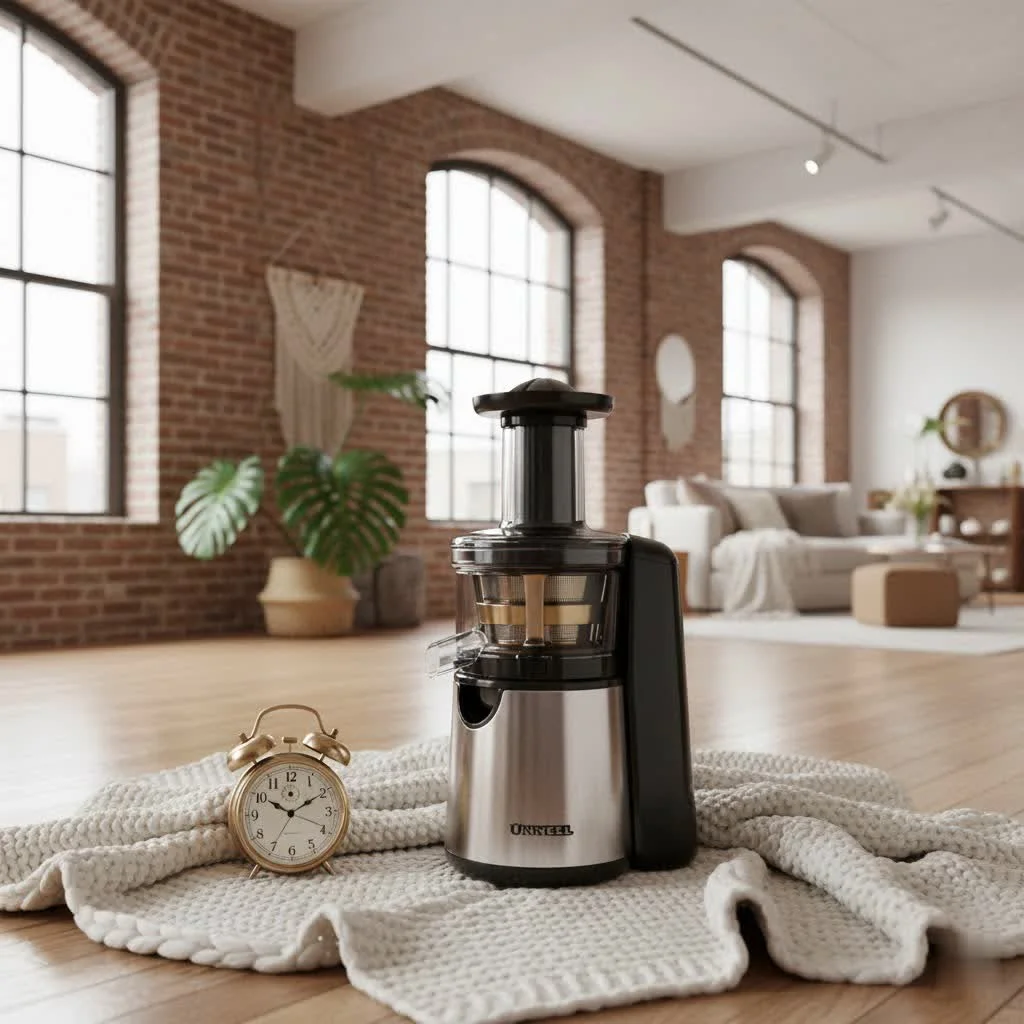
Imagine a machine that gently coaxes out every drop of liquid from your produce, rather than aggressively shredding it. That’s the essence of a whole fruit slow juicer, often known as a masticating or cold press juicer. Unlike its high-speed centrifugal counterparts, which use fast-spinning blades that can generate heat and introduce excess air, a slow juicer employs a powerful auger. This auger slowly crushes and presses fruits and vegetables against a fine mesh screen, effectively “chewing” them to extract juice. This deliberate, low-RPM (revolutions per minute) process, typically operating between 40-80 RPM, minimizes heat buildup and oxidation, preserving delicate enzymes, vitamins, and the natural vibrancy of your ingredients.
The “whole fruit” aspect of these juicers refers to their design, often featuring wider feeding chutes or specialized auto-cutting mechanisms. This innovation means less pre-chopping for you, allowing you to feed in larger pieces, or even entire small fruits and vegetables, dramatically cutting down on preparation time and making daily juicing a breeze. It’s about streamlining your healthy habits, ensuring that getting your daily dose of fresh juice is as convenient as it is nutritious.
The Bountiful Benefits: Why Go Slow and Whole?
When you choose a whole fruit slow juicer, you’re not just making juice; you’re making an investment in your health, taste buds, and even your wallet.
Maximized Nutrient Retention
The number one reason health enthusiasts flock to slow juicers is their unparalleled ability to preserve nutrients. The gentle crushing action, devoid of high heat and excessive oxygen exposure, means that sensitive vitamins like C, beneficial enzymes, and a wealth of antioxidants remain largely intact. “Think of it as giving your produce a tender hug instead of a violent shake,” explains Dr. Emily Roberts, a renowned nutritionist. “This gentle extraction ensures that more of nature’s potent goodness makes it into your glass, ready for your body to absorb.”
- What are the benefits of a whole fruit slow juicer?
A whole fruit slow juicer maximizes nutrient retention by minimizing heat and oxidation, leading to a richer, more flavorful, and nutrient-dense juice. It also offers higher juice yields, quieter operation, and enhanced versatility compared to other juicing methods.
Superior Taste and Quality
|
Our Picks for the Best Fruit Juicer in 2026
As an Amazon Associate I earn from qualifying purchases.
|
||
| Num | Product | Action |
|---|---|---|
| 1 | Zulay Kitchen Metal 2-in-1 Lemon Squeezer - Sturdy Max Extraction Hand Juicer Lemon Squeezer Gets Every Last Drop - Easy to Clean Manual Citrus Juicer - Easy-Use Lemon Juicer Squeezer - Black/Yellow |

|
| 2 | Ninja NeverClog Cold Press Juicer, Powerful Slow Juicer with Total Pulp Control, Countertop, Electric, 2 Pulp Functions, Dishwasher Safe, 2nd Generation, Blue/Navy, JC151NV |
|
| 3 | Zulay Kitchen Metal 2-in-1 Lemon Squeezer - Sturdy Max Extraction Hand Juicer Lemon Squeezer Gets Every Last Drop - Easy to Clean Manual Citrus Juicer - Easy-Use Lemon Juicer Squeezer - Blue/Yellow |
|
| 4 | Zulay Kitchen Metal 2-in-1 Lemon Squeezer - Sturdy Max Extraction Hand Juicer Lemon Squeezer Gets Every Last Drop - Easy to Clean Manual Citrus Juicer - Easy-Use Lemon Juicer Squeezer - Yellow/Red |
|
| 5 | Zulay Kitchen Metal 2-in-1 Lemon Squeezer - Sturdy Max Extraction Hand Juicer Lemon Squeezer Gets Every Last Drop - Easy to Clean Manual Citrus Juicer - Easy-Use Lemon Juicer Squeezer - Black/Red |
|
| 6 | Ninja NeverClog Cold Press Juicer, Powerful Slow Juicer with Total Pulp Control, Countertop, Electric, 2 Pulp Functions, Dishwasher Safe, 2nd Generation, Charcoal, JC151 |
|
| 7 | Zulay Kitchen Metal 2-in-1 Lemon Squeezer - Sturdy Max Extraction Hand Juicer Lemon Squeezer Gets Every Last Drop - Easy to Clean Manual Citrus Juicer - Easy-Use Lemon Juicer Squeezer - Red/Yellow |
|
| 8 | Zulay Kitchen Cast Iron Juicer - Easy-to-Clean Heavy-Duty Manual Juicer, Professional Citrus Juicer - Stainless Steel Lemon Squeezer - Manual Citrus Press & Orange Squeezer - Orange Juicer (Black) |
|
| 9 | Ninja NeverClog Cold Press Juicer, Powerful Slow Juicer with Total Pulp Control, Countertop, Electric, 2 Pulp Functions, Dishwasher Safe, 2nd Generation, Steam Gray, JC151SL |
|
| 10 | Juicer Machines with 5.8\" Large Feed Chute, Cold Press Juicer for Whole Vegetables and Fruits 400W, Slow Masticating juicer Easy to Clean Juice Extractor Machine High Juice Yield |
|
Ever noticed how juice from a fast juicer can look foamy and separate quickly? Slow juicers yield a beautifully smooth, vibrant, and incredibly flavorful juice. With less air incorporated during the process, oxidation is significantly reduced, meaning your juice not only tastes better but also stays fresh longer when stored correctly in the refrigerator, often for 24-72 hours. This lets you prepare larger batches and enjoy fresh juice throughout the day.
Higher Juice Yield, Less Waste
Slow juicers are remarkably efficient. By thoroughly pressing every fiber, they extract more juice from the same amount of produce, leaving behind a noticeably dry pulp. This means you get more bang for your buck from your fruits and vegetables, reducing waste and ultimately saving you money in the long run. It’s a win-win for both your health and your grocery budget.
Enhanced Digestion and Absorption
The smooth, pulp-free juice produced by a slow juicer is easier for your body to digest and absorb. The gentle pressing action helps break down plant fibers in a way that makes nutrients more bioavailable, especially beneficial for those with sensitive stomachs. The preservation of digestive enzymes further supports gut health, aiding in overall well-being.
Quiet Operation and Versatility
Imagine making a fresh morning juice without waking the entire household. Slow juicers are significantly quieter than their centrifugal counterparts, making your juicing experience more pleasant. Their gentle yet powerful mechanism also allows for incredible versatility; they can effortlessly process not only hard and soft fruits and vegetables but also leafy greens, wheatgrass, nuts (for milk), and even create sorbets and baby food.
Navigating the Market: Choosing Your Perfect Whole Fruit Slow Juicer
With so many options available, picking the right whole fruit slow juicer can feel a bit overwhelming. But don’t fret; knowing what to look for will guide you to your ideal kitchen companion.
- What features should I look for in a whole fruit slow juicer?
When choosing, prioritize chute size for less pre-chopping, a low RPM for optimal nutrient preservation, ease of cleaning to encourage regular use, a powerful motor for diverse produce, and consider the design (vertical for space-saving, horizontal for leafy greens).
Key Features to Look For:
- Chute Size: If “whole fruit” is your priority, look for models with wide feeding chutes (3 inches or more) or dual chutes that can handle larger produce or self-feed fibrous ingredients. This is a major time-saver.
- RPM Speed: While “slow” is the general rule, models operating between 40-80 RPM are often considered optimal for nutrient preservation and efficient extraction.
- Ease of Cleaning: Juicers need to be cleaned regularly. Look for models with fewer parts, detachable components, and that come with cleaning brushes. Some even boast “easy-clean” designs.
- Motor Power: A robust motor (e.g., 200W-240W) ensures your juicer can handle a wide variety of produce, from tough root vegetables to fibrous greens, without getting bogged down.
- Type (Vertical vs. Horizontal): Vertical slow juicers are popular for their compact footprint on the countertop, while horizontal models are sometimes preferred for their ability to handle leafy greens and wheatgrass with fewer jams.
Beyond the Basics: Using and Caring for Your Slow Juicer
Getting the most out of your whole fruit slow juicer means understanding a few simple tips for usage and care.
Preparation Tips
Even with a “whole fruit” juicer, a little prep goes a long way. Always wash your produce thoroughly. For very large fruits like certain apples, or extremely hard items, a quick chop into halves or quarters can make the juicing process smoother and extend the life of your machine. Remove large pits or hard seeds that aren’t meant for consumption.
Juicing Techniques
Feed produce gradually, allowing the auger to work efficiently. If you’re juicing a mix of soft and hard ingredients, try alternating them; for example, follow a soft berry with a firmer carrot or a leafy green to help push everything through. This maximizes juice extraction and prevents clogging.
Maintenance & Cleaning
Regular cleaning is crucial. Most slow juicers are designed for easy disassembly. Rinse all parts immediately after use to prevent pulp from drying and sticking. Use the provided cleaning brushes for mesh screens and small crevices. While some parts might be dishwasher safe, handwashing often provides a more thorough clean and can help preserve the components.
“A clean juicer is a happy juicer, and it ensures consistently delicious, hygienic juice every time,” advises Chef David Chen, a culinary expert known for his healthy recipes. “Making cleaning a quick post-juicing habit will keep your appliance in top shape.”
- How do I clean my whole fruit slow juicer?
To clean your whole fruit slow juicer, disassemble all removable parts immediately after use. Rinse them under running water, using the provided cleaning brush to scrub the mesh screen and any hard-to-reach areas where pulp might accumulate. Allow all parts to air dry completely before reassembling.
The “Whole” Truth: Juice vs. Whole Fruit
It’s natural to wonder if juicing whole fruits is superior to simply eating them. Here’s the honest truth: juicing and eating whole fruits serve different, yet complementary, purposes.
When you juice, especially with a slow juicer, you extract a concentrated dose of vitamins, minerals, and phytonutrients that are readily absorbed by your body. This can be fantastic for a quick nutrient boost or for those who struggle to eat enough fruits and vegetables daily. However, juicing, even with a slow juicer, does remove most of the insoluble fiber from the produce.
Fiber, particularly insoluble fiber, is incredibly important. It aids digestion, promotes gut health, helps regulate blood sugar levels, and contributes to a feeling of fullness. Therefore, while slow-pressed juice is incredibly healthy and nutrient-dense, it should be seen as an enhancement to your diet, not a complete replacement for eating whole fruits and vegetables. Aim for a balance, enjoying the benefits of concentrated juice for rapid nutrient intake and consuming whole produce for its essential fiber content.
- Is slow juicing whole fruit better than eating it?
Slow juicing whole fruit offers a concentrated, easily absorbed dose of nutrients, making it excellent for quick boosts and increasing overall intake. However, eating whole fruit provides essential dietary fiber, which is largely removed during juicing, crucial for digestion and satiety.
Delicious Creations: Whole Fruit Slow Juicer Recipes and Ideas
Ready to unleash your inner juice connoisseur? Your whole fruit slow juicer opens up a world of vibrant flavors.
- Basic Green Power: Start your day with a detoxifying blend of kale (or spinach), a whole green apple, a cucumber, a small knob of ginger, and a squeeze of lemon.
- Sunshine Citrus Boost: Combine peeled oranges, carrots, and a touch of turmeric root for an immune-boosting, sweet and earthy delight.
- Berry Bliss: Juice mixed berries (strawberries, blueberries, raspberries) with a handful of spinach and a small pear for a refreshing, antioxidant-rich treat.
- Don’t Waste the Pulp! The dry pulp left over can be repurposed. Mix fruit pulp into muffins or pancake batter, or use vegetable pulp as a base for crackers, savory patties, or even compost.
Frequently Asked Questions
-
Q: Can I put any whole fruit in a whole fruit slow juicer?
A: While many models boast wide chutes for whole fruits like apples, it’s generally best to slightly pre-chop very large items or exceptionally hard produce to ensure smooth operation and prevent strain on your machine. Always check your juicer’s specific guidelines. -
Q: How long does slow-pressed juice last?
A: When stored in an airtight container (like a glass jar) in the refrigerator, slow-pressed juice can typically last between 24 to 72 hours, retaining most of its nutritional value and fresh taste. This is significantly longer than juice from centrifugal juicers. -
Q: Are slow juicers noisy?
A: No, one of the great advantages of slow juicers is their quiet operation. Unlike the loud whirring of high-speed centrifugal juicers, masticating juicers work slowly and gently, producing minimal noise, making them ideal for early morning use. -
Q: Is it difficult to clean a whole fruit slow juicer?
A: Modern whole fruit slow juicers are generally designed for easy cleaning. Most models feature fewer parts, are simple to disassemble, and come with specialized brushes to help clean the mesh screen and other components quickly and efficiently. -
Q: What is the main difference between a slow juicer and a cold press juicer?
A: The terms “slow juicer” and “cold press juicer” are often used interchangeably. Both refer to masticating juicers that use a slow, crushing and pressing action to extract juice, which minimizes heat and oxidation, thereby preserving nutrients and resulting in a “cold-pressed” juice.
Conclusion
Embracing a whole fruit slow juicer is more than just adding an appliance to your kitchen; it’s adopting a lifestyle that prioritizes vibrant health, incredible flavor, and mindful nutrition. By gently extracting the essence of your favorite produce, these remarkable machines empower you to create pure, enzyme-rich juices that nourish your body from the inside out. They simplify your wellness journey by reducing prep time and maximizing the nutritional output of every ingredient. So, go ahead, explore the vast world of fresh juicing, experiment with new recipes, and let your whole fruit slow juicer be your trusted partner in crafting a healthier, more delicious you.
Cooking gear we tested in our own kitchens
Free PDF — preheat times measured on 10 popular air fryers.